 Get Guardian on Google

Nigeria’s external reserves may have remained under pressure, as the reserves fell by 8.3 percent from $37.1b in January 2023 to $33.9b in July 2023.
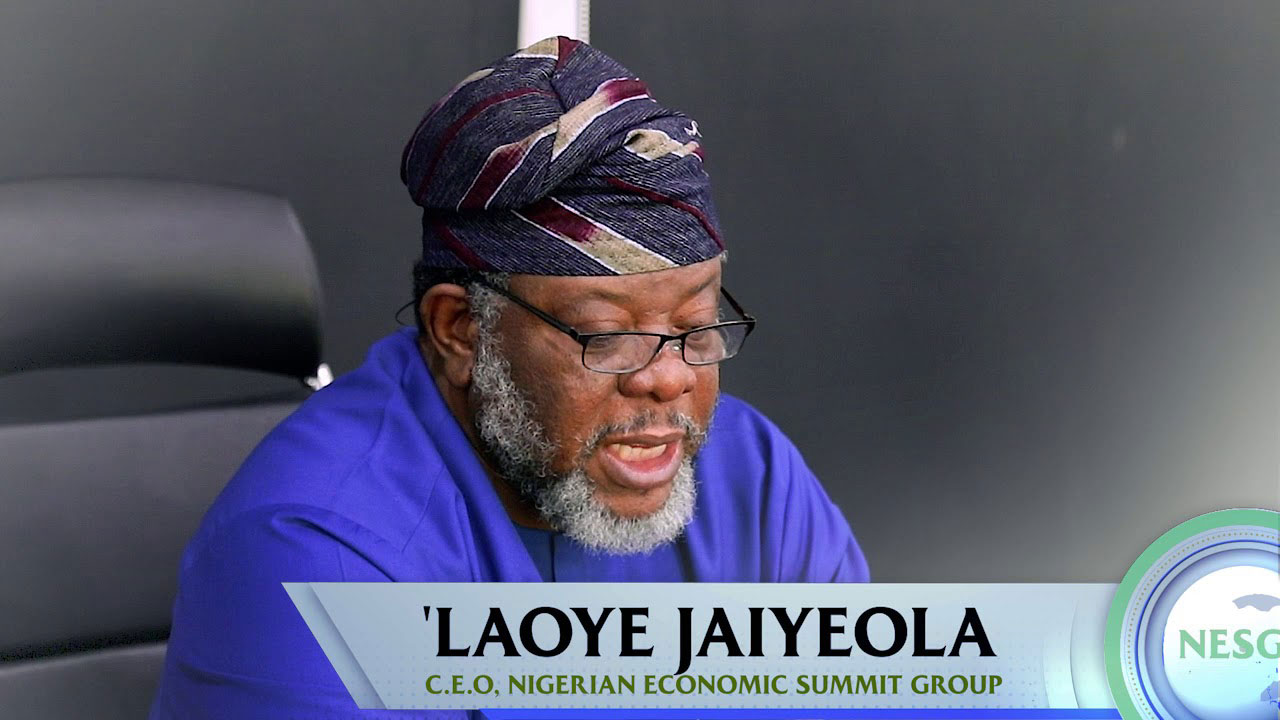
The Director-General, Director General, Nigerian Economic Summit Group (NESG), Laoye Jaiyeola disclosed this during his presentation to the National Economic Council (NEC).
He emphasised the need to strategise towards achieving low Inflation and stimulating growth and macroeconomic objectives.
[ad]
Reviewing the country’s current economic landscape, Jaiyeola said that investment inflows and the country’s investment/GDP ratio have dwindled since 2019, while crude oil exports and refined petroleum products import dominate Nigeria’s trade structure.
He added that Nigeria’s naira position against major trading currencies has deteriorated.
“Weak forex (FX) supply and heightened demand for imports remain core drivers of exchange rate instability; market volatility persists despite recent FX alignment, driven by pressure on FX demand that widens the gap between official and parallel market rates due to inadequate supply and speculative tendencies; external reserves remain under pressure as external reserves fell by 8.3 percent from 37.1 billion in January 2023 to 33.9 billion in July 2023.”
Noting that the fuel subsidy removal would increase inflation, he stressed the need for robust social programmes.
Jaiyeola also advocated efficiency in government spending, noting that there has been a lack of clarity on how the government spends subsidy savings, which must be addressed.
He, however, noted that driving more investments into the downstream and midstream segments of the petroleum industry would reduce huge dependence on petrol imports and strike out the need to pay subsidies on fuel.
The NESG boss, therefore, recommended that NEC should insist on pushing a national legislative reform agenda for national competitiveness.
“It is essential that Nigeria resolves the legislative binding constraints to our national competitiveness, the NESG through NASSBER, our partnership with National Assembly and Nigerian Bar Association has identified over 115 legislations that hinder growth, in the last few years, 10 legislations have been passed (including the Companies and Allied Matters Act (CAMA) 2020 and the Petroleum Industry Act (PIA) 2021), he stated.
[ad]