 Follow Us on Google News


 Follow Us on Google Discover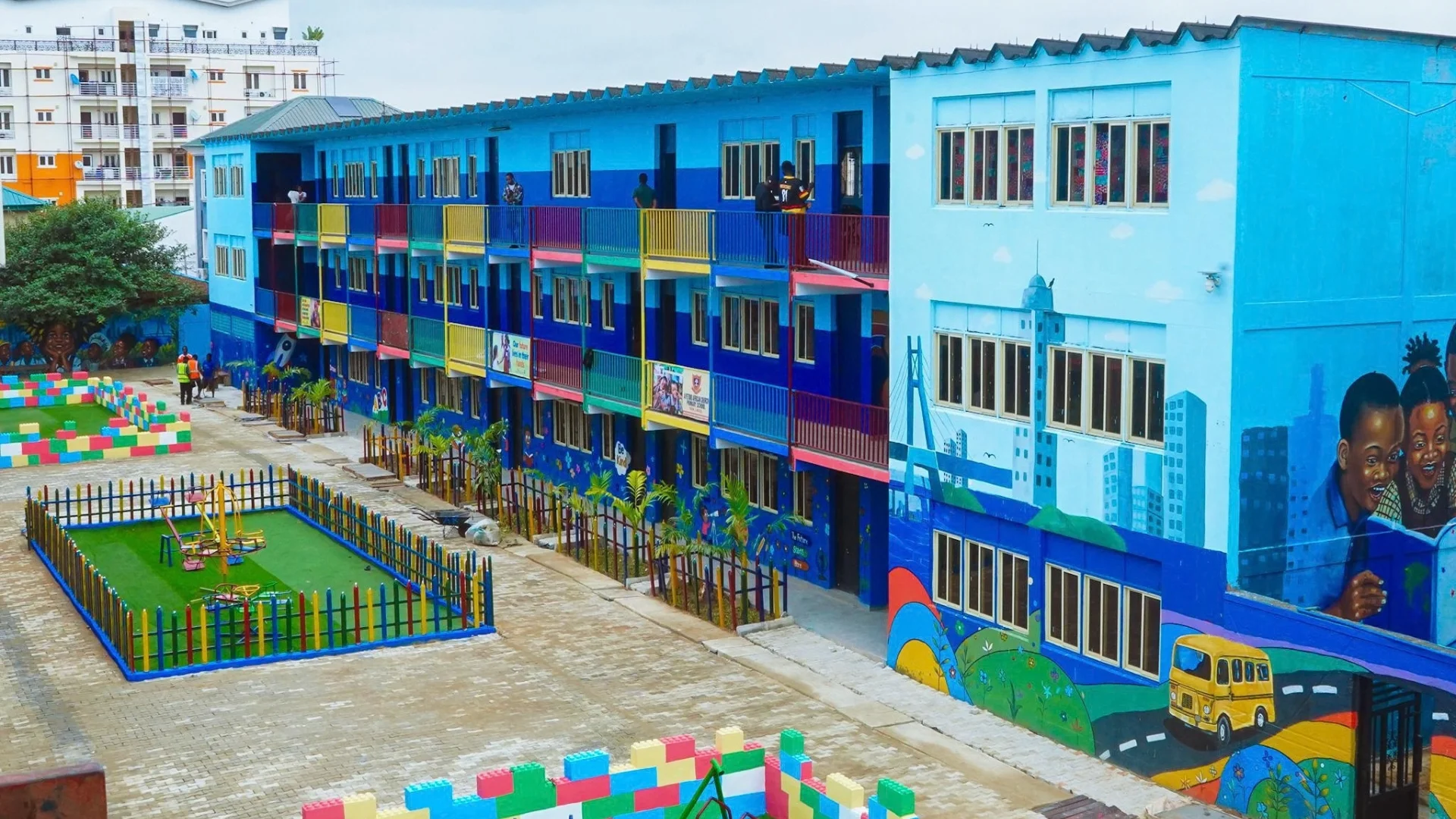
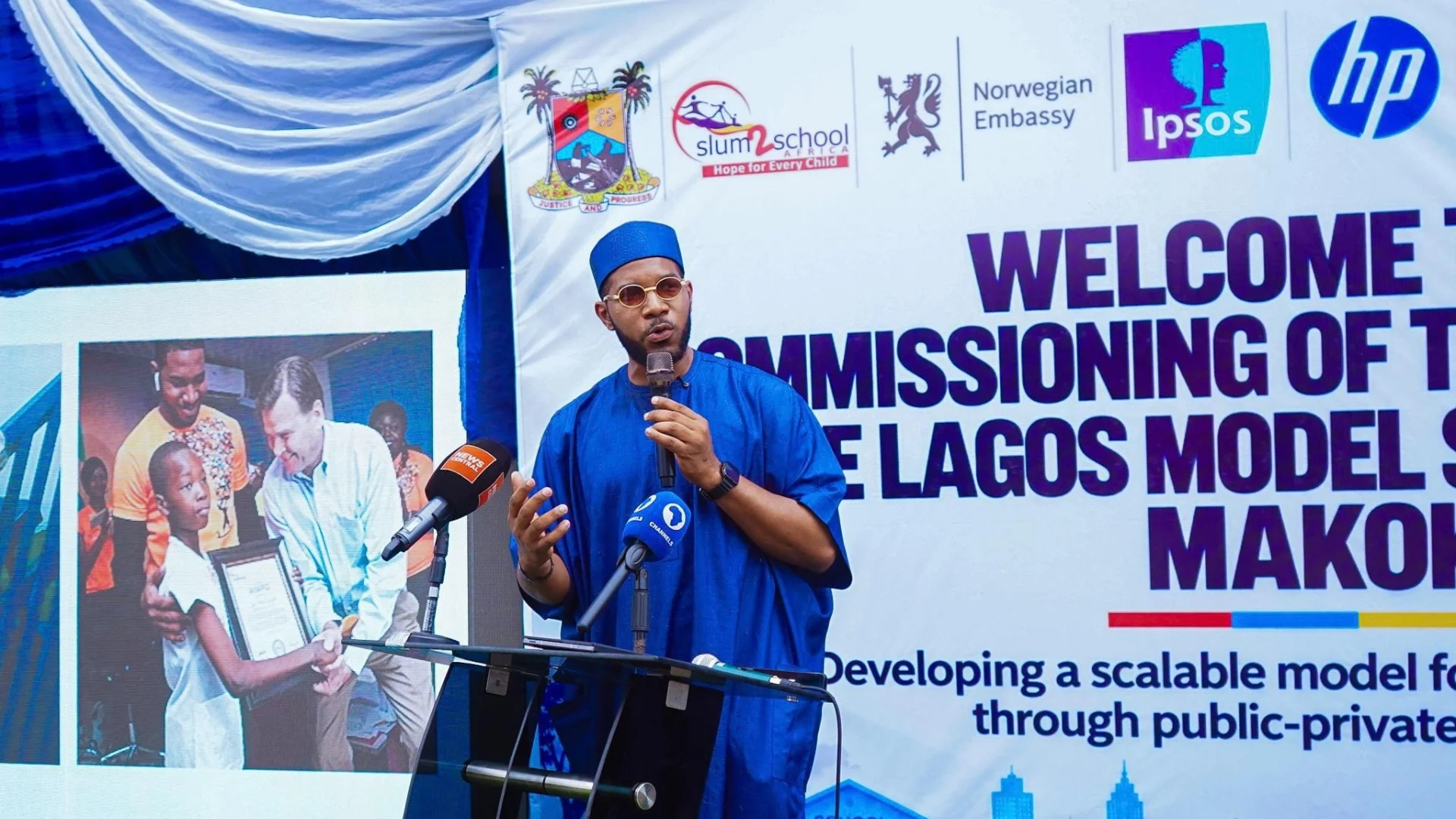
Slum2School Africa has commissioned the first phase of its Lagos Model Primary School Project in Makoko, Lagos, following the renovation and upgrading of facilities serving three public primary schools in the community.
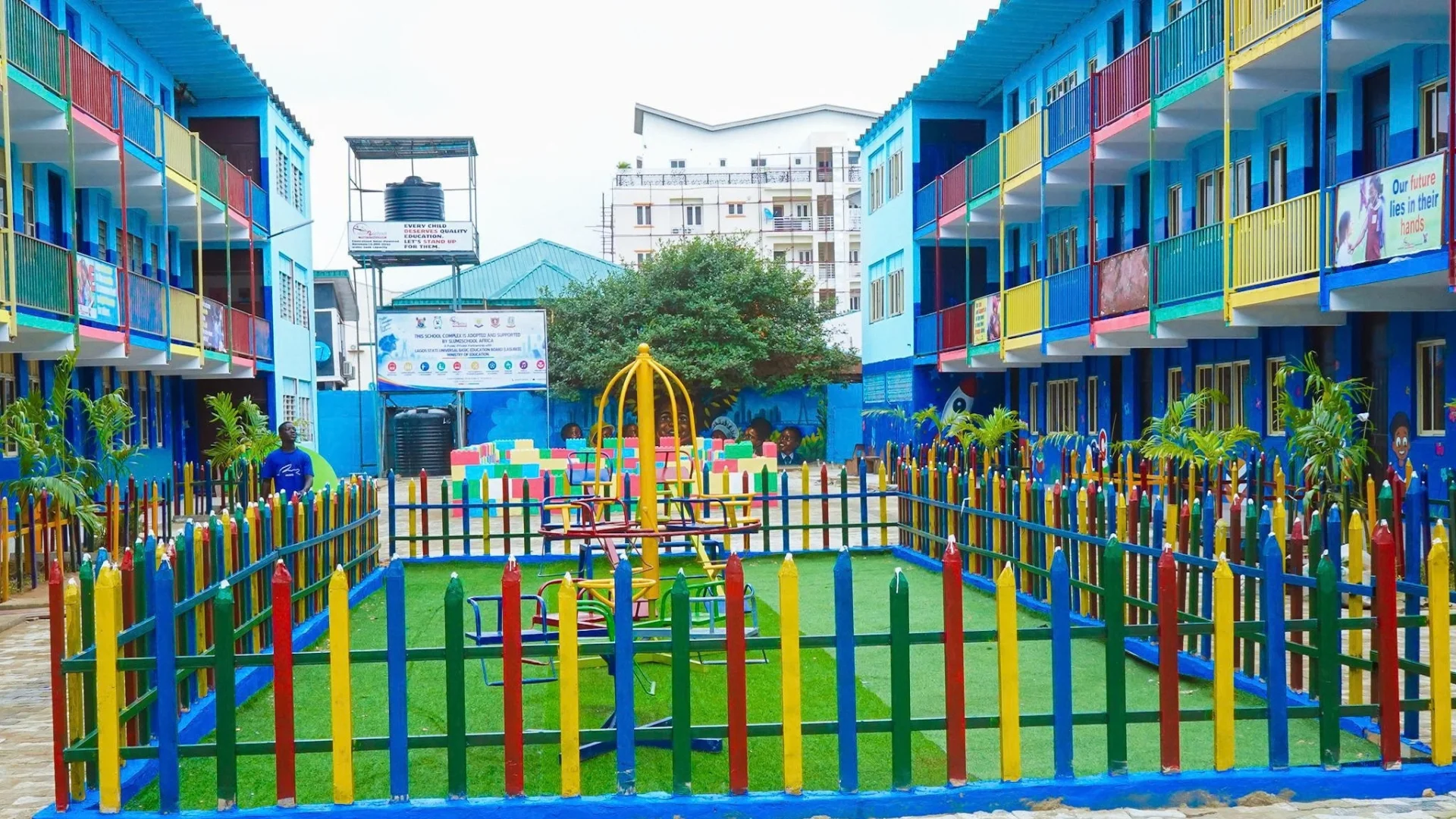
The first phase, unveiled at Aiyetoro African Primary School, includes improvements to classrooms, sanitation facilities, recreational areas and technology infrastructure as part of efforts to create a more conducive learning environment for children in the waterfront community.
Adekunle Anglican Primary School and Makoko Anglican Primary School, which are located within the same compound, are also beneficiaries of the wider intervention.
The initiative is being implemented as part of a public-school adoption programme in partnership with the Lagos State Universal Basic Education Board (LASUBEB) and the state Ministry of Education.
According to Slum2School Africa, the project is intended to demonstrate how existing government-owned schools can be improved through targeted investment in infrastructure, technology, learning resources, child wellbeing and community participation.
The first phase was implemented with support from partners including LASUBEB, the Royal Norwegian Embassy, Ipsos Foundation, HP, Tritton, ESPN, the Lagos State Ministry of Education, Red Hot Concepts and Love.fútbol.

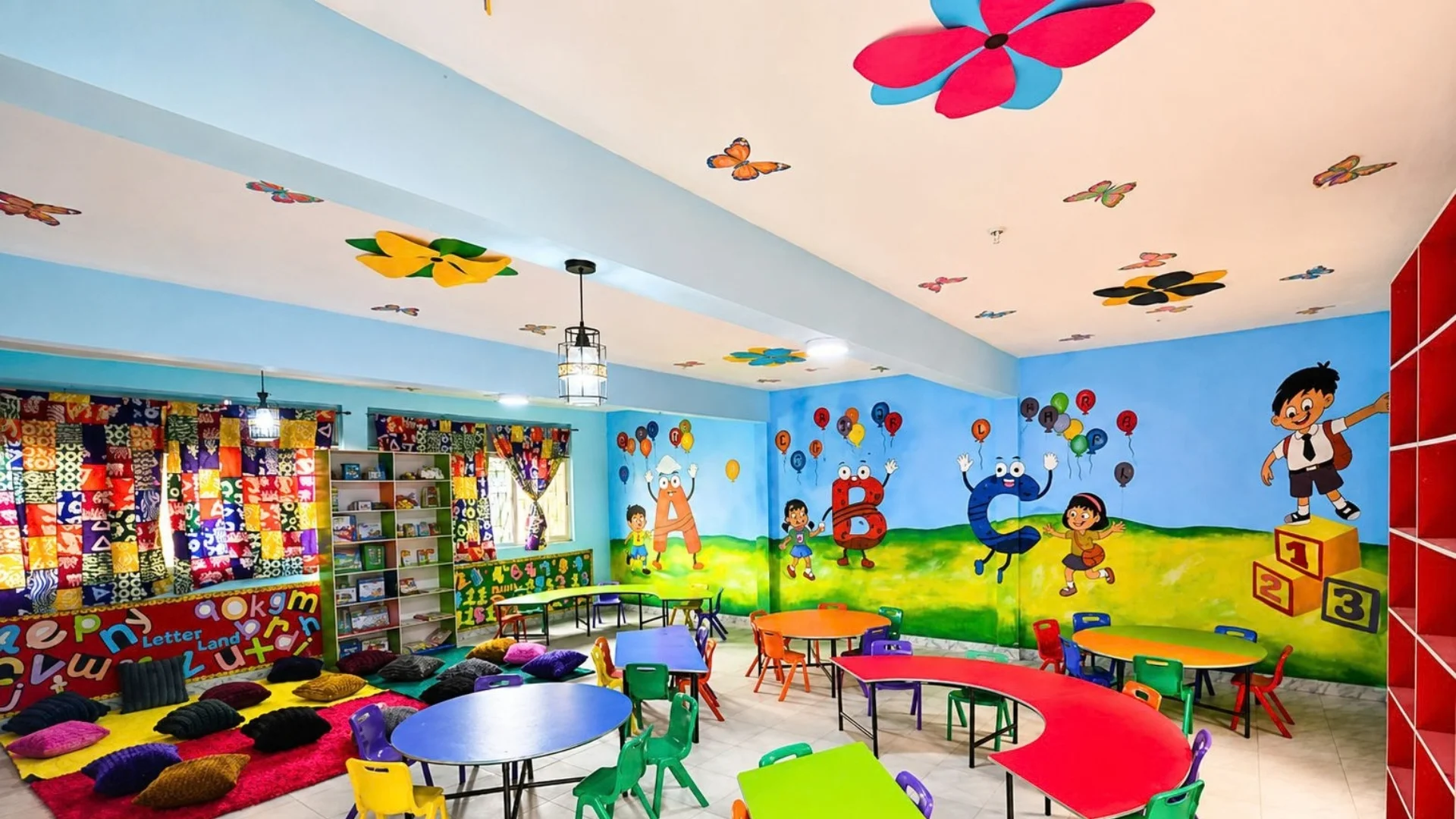
Among the facilities provided or upgraded are Early Childhood Education classrooms, primary classrooms, a library, digital computer room, STEM and Innovation Lab, sanitation and WASH facilities, sick bay, music room and an Enterprise Development Centre/Home Economics room.
The school environment also received recreational facilities, including a football pitch and multipurpose courts for basketball, volleyball and lawn tennis, as well as improved play areas and interlocked outdoor spaces.
Slum2School said 10 existing nursery and primary classrooms at Aiyetoro African Primary School were renovated and adapted to provide more age-appropriate learning spaces, while another 12 primary classrooms were refurbished.
The intervention also included a solar-powered water borehole and renovated toilets intended to improve access to water and sanitation for pupils and staff.
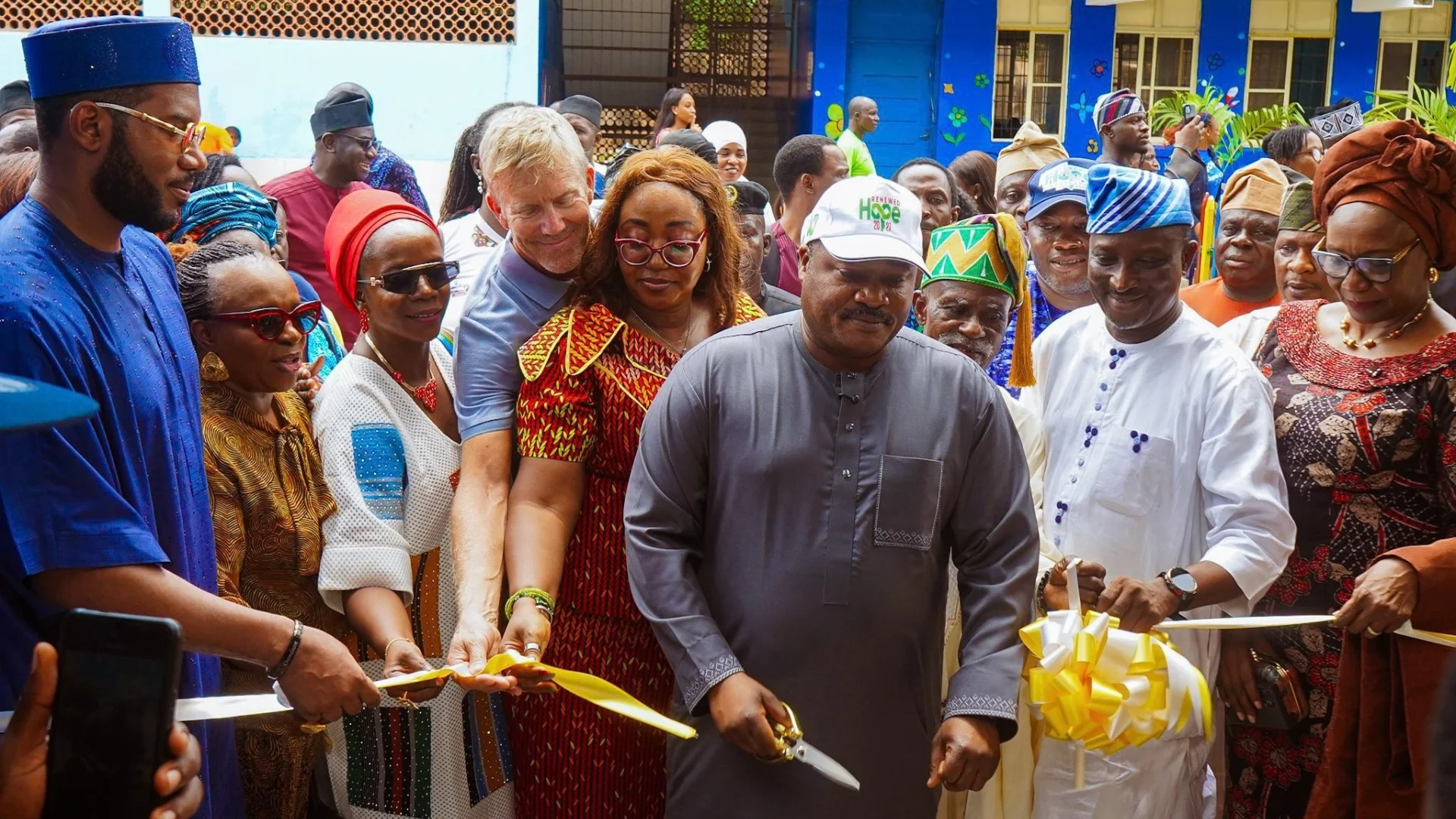
The commissioning ceremony attracted representatives of government, education institutions, development organisations and the Makoko community.
Those present included the Norwegian Ambassador to Nigeria, Svein Baera; Vice-Chancellor of the University of Lagos, Prof. Folasade Ogunsola; representatives of LASUBEB and the Lagos State Government; and representatives of the Federal Ministry of Education.
Also present were the Chairman of Yaba Local Government, Dr Bayo Adefuye; Lagos Mainland Education Secretary, Barrister Tajudeen Tijani; education stakeholders, community leaders, teachers, volunteers and families.
Speaking at the commissioning, Ogunsola said the initiative provided an example of the standard that public schools could work towards.
“The Lagos Model School is demonstrating the basic minimum standard our public schools should aspire to,” she said.
According to her, scaling similar interventions could contribute to improvements in the quality of education available to children and, in the longer term, strengthen the preparation of students progressing through the education system.
Beyond classroom renovation, the project places emphasis on early childhood education, digital literacy, science and technology, creative development, sports and children’s welfare.
Slum2School said the approach reflects its view that improving education outcomes in underserved communities requires attention not only to school enrolment but also to the environment in which children learn.
Tijani said partnerships between government, communities and civil society organisations could help strengthen existing public education infrastructure.
“The transformation of Aiyetoro African Church Primary School demonstrates what can be achieved when investment in public education is matched with strong partnerships and a clear understanding of what children need to learn and thrive,” he said.
He added that government-owned schools remained central to the delivery of basic education, while collaborations could provide additional resources and expertise to improve learning environments.
Executive Director of Slum2School Africa, Orondaam Otto, said the Makoko project was designed to go beyond the physical renovation of school buildings.
“For us, the Lagos Model School Project is not simply about transforming buildings; it is about transforming what children can experience within a public school,” Otto said.
He said the organisation wants public schools to provide environments where parents, irrespective of income, can feel confident sending their children.
“That means investing in both excellent infrastructure and excellent learning,” he added.
According to Otto, locating the project in Makoko was intended to demonstrate what could be achieved when government, communities and development partners collaborate to improve education in underserved areas.
Slum2School said the Makoko intervention forms part of a broader plan to develop a model that could eventually be adapted to other public schools in Lagos and elsewhere.
Rather than relying solely on the construction of new schools, the organisation said the model focuses on identifying deficiencies within existing public schools and mobilising government, communities and private-sector partners to address them.
The organisation said the longer-term impact of the initiative would ultimately depend on how the upgraded facilities translate into learning outcomes, digital skills, creativity, improved health and broader opportunities for pupils.
Slum2School Africa is a volunteer-driven nonprofit organisation focused on improving access to education for children in underserved communities. Its programmes cover education, digital inclusion, school infrastructure, teacher development, child wellbeing and community engagement.

