 Get Guardian on Google

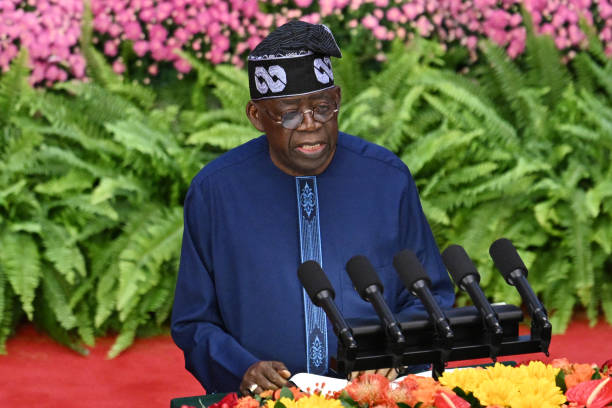
Minister of Education, Dr Morufu Alausa, has assured academic unions that the President Bola Tinubu-led administration will honour agreements reached with them, while assuring that the remaining 50 per cent of withheld salaries will be paid.
Alausa, however, urged labour unions, particularly those in the education sector, to prioritise the welfare and education of Nigerian students by choosing dialogue over strike actions.
His appeal was directed at the Academic Staff Union of Universities (ASUU), the Senior Staff Association of Nigerian Universities (SSANU), the Non-Academic Staff Union of Educational and Associated Institutions (NASU), and the National Association of Academic Technologists (NAAT).
Alausa emphasised that industrial action should be a last resort, used only after all other options have been exhausted.
He acknowledged that unions feel frustrated by the government’s history of unfulfilled agreements, but assured that President Bola Tinubu’s administration is committed to delivering on its promises.
Alausa underscored the President’s commitment to making tough decisions, which he said, would lead to long-term national benefits.
The minister detailed the financial limitations constraining the government, including heavy expenditures by the previous administration on subsidies and artificially low exchange rates. These policies, he explained, drained the country’s resources and benefitted the wealthy at the expense of crucial sectors like education.
“Subsidies cost Nigeria nearly $1 billion daily, while artificially maintaining the exchange rate added another $500 million monthly,” he noted. “These unsustainable practices took resources away from critical sectors.”
Alausa urged unions to trust the current administration’s commitment to open dialogue. “We have assembled a committee led by respected figures, including Alhaji Yahaya Ahmed, former Head of the Service, to engage in respectful, productive bargaining. Let’s prioritise the future of our children and keep them in school.”
He assured the unions that the government is working to address their concerns, citing recent discussions on releasing a portion of withheld allowances for SSANU members and a commitment to continued advocacy for fair conditions.
Former Nigeria Labour Congress (NLC) President, Ayuba Wabba echoed Alausa’s call for dialogue, expressing frustration over the government’s recurring breaches of collective bargaining agreements, which have often led to strikes. Wabba pointed out the significant social and economic costs strikes impose, referring to the 2012 petroleum subsidy strike as a notable example.
Wabba proposed establishing a Labour Council, similar to South Africa’s model that would facilitate quarterly meetings between government and union representatives, helping address emerging issues proactively and fostering trust.
SSANU National President, Mohammed Ibrahim, also advocated a shift in perception around unions. He emphasised that SSANU and other unions are often mischaracterised as “strike-happy” and urged a new narrative that promotes industrial peace.