 Follow Us on Google News



 Follow Us on Google Discover
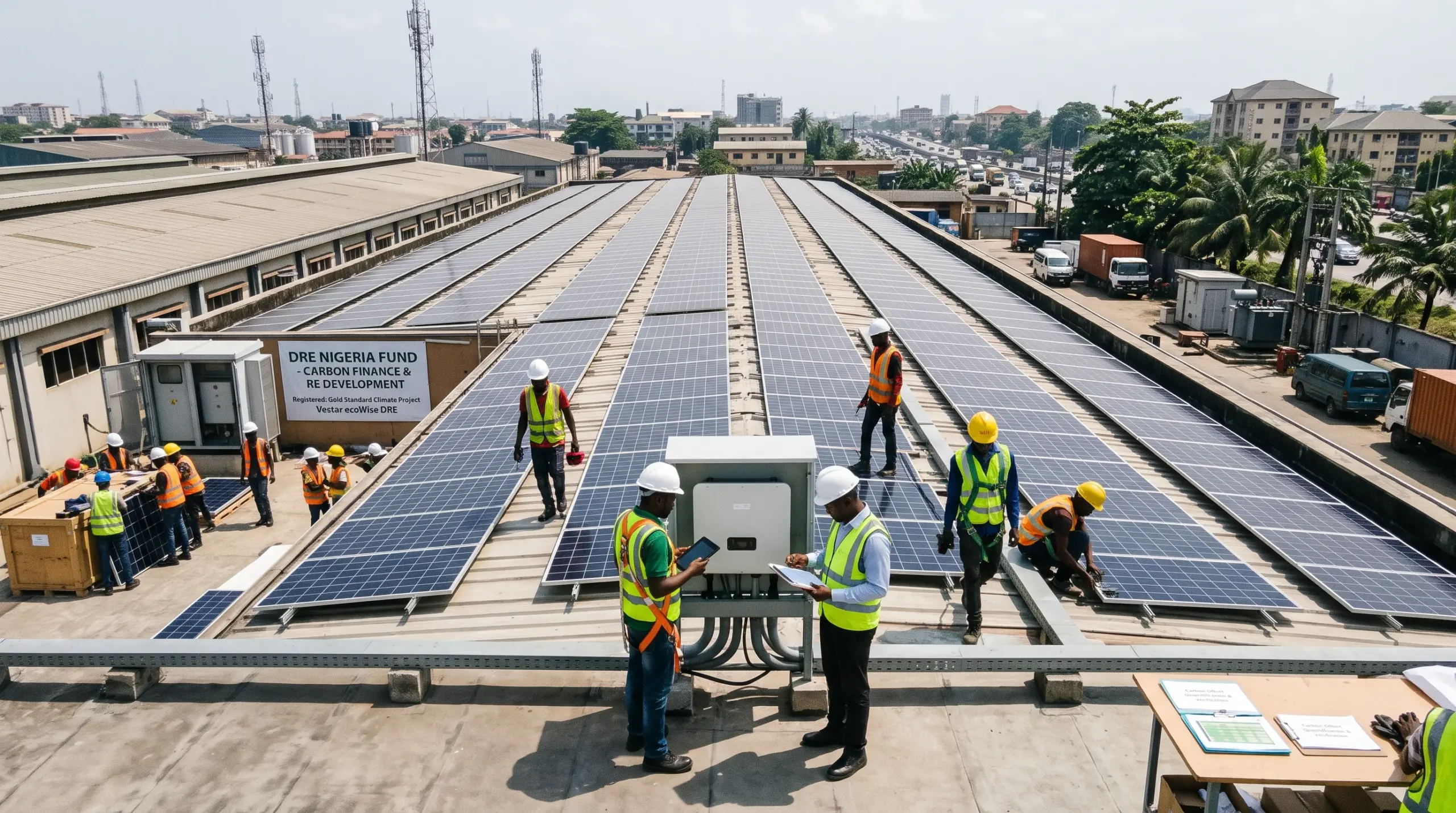
African governments and international development institutions will explore ways to turn the continent’s renewable energy transition into a driver of local industrialisation, job creation and economic growth at a policy conference co-organised by Warwick Business School.
The Pan-African Policy Virtual Conference, Turning the Lights On: Unlocking Circular Value Chains for Africa’s Renewable Energy Transition, will bring together senior representatives of the United Nations Development Programme (UNDP), African Development Bank Group, International Renewable Energy Agency (IRENA), World Resources Institute and Development Bank of Southern Africa, alongside government officials from Rwanda, South Africa and Namibia.
The conference, convened with the African Circular Economy Alliance, will examine how African countries can capture more economic value from renewable energy investments by developing local industries around the reuse, repair and repurposing of technologies and components.
Professor of the Economics of Innovation and Deputy Director of the Circular Economy Powered Renewable Energy Centre (CEPREC), who is co-organising the event, Giuliana Battisti, said Africa’s energy transition presented an opportunity to address electricity deficits while building domestic industrial capacity.
Battisti said about 600 million Africans, representing slightly less than 50 per cent of the continent’s population, currently lacked access to electricity, limiting opportunities to improve living conditions, support industrialisation and create jobs.
While renewable energy offers a pathway to expanding electricity access, she warned that the transition also raises questions about the sourcing of materials and the management of obsolete technologies, including solar panels and batteries.
She said circular economy principles could help African countries reduce waste, reuse valuable components and develop local businesses and skills instead of relying solely on imported technologies.
“Africa’s renewable energy transition represents one of the most significant economic and sustainability opportunities of our time for the African people and for the planet,” Battisti said.
The conference will feature a keynote address by Riad Meddeb, Head of Decarbonisation and Sustainable Energy at UNDP, titled Powering Africa’s Energy Future: Energy Access, Sustainable Infrastructure and the Role of Circular Value Chains.
Battisti argued that developing circular value chains could enable African countries to pursue a different economic development model from the fossil fuel-dependent, high-carbon pathway followed by many industrialised economies.
The approach, she said, would require governments to look beyond electricity generation and focus on building local capabilities, creating jobs and strengthening businesses that can support renewable energy infrastructure throughout its lifecycle.
As Deputy Director of CEPREC, Battisti is helping shape a £3.5 million pan-African research programme co-funded by the UK Government’s Ayrton Fund. The initiative focuses on repurposing end-of-life electric vehicle components, including batteries and inverters, for renewable energy microgrids serving off-grid and underserved communities across sub-Saharan Africa.
She said cooperation among governments, businesses, researchers and international organisations was essential to accelerating investment and implementation in support of the Paris Agreement’s goal of pursuing efforts to limit global warming to 1.5 degrees Celsius above pre-industrial levels.
The conference is expected to produce an evidence-based policy brief with recommendations on regulatory frameworks, financing mechanisms and regional cooperation to strengthen circular renewable energy systems across Africa.
Battisti said the objective was to translate policy ambitions into practical measures that would enable African countries to balance climate commitments with energy security and economic development.

