
 Get Guardian on Google
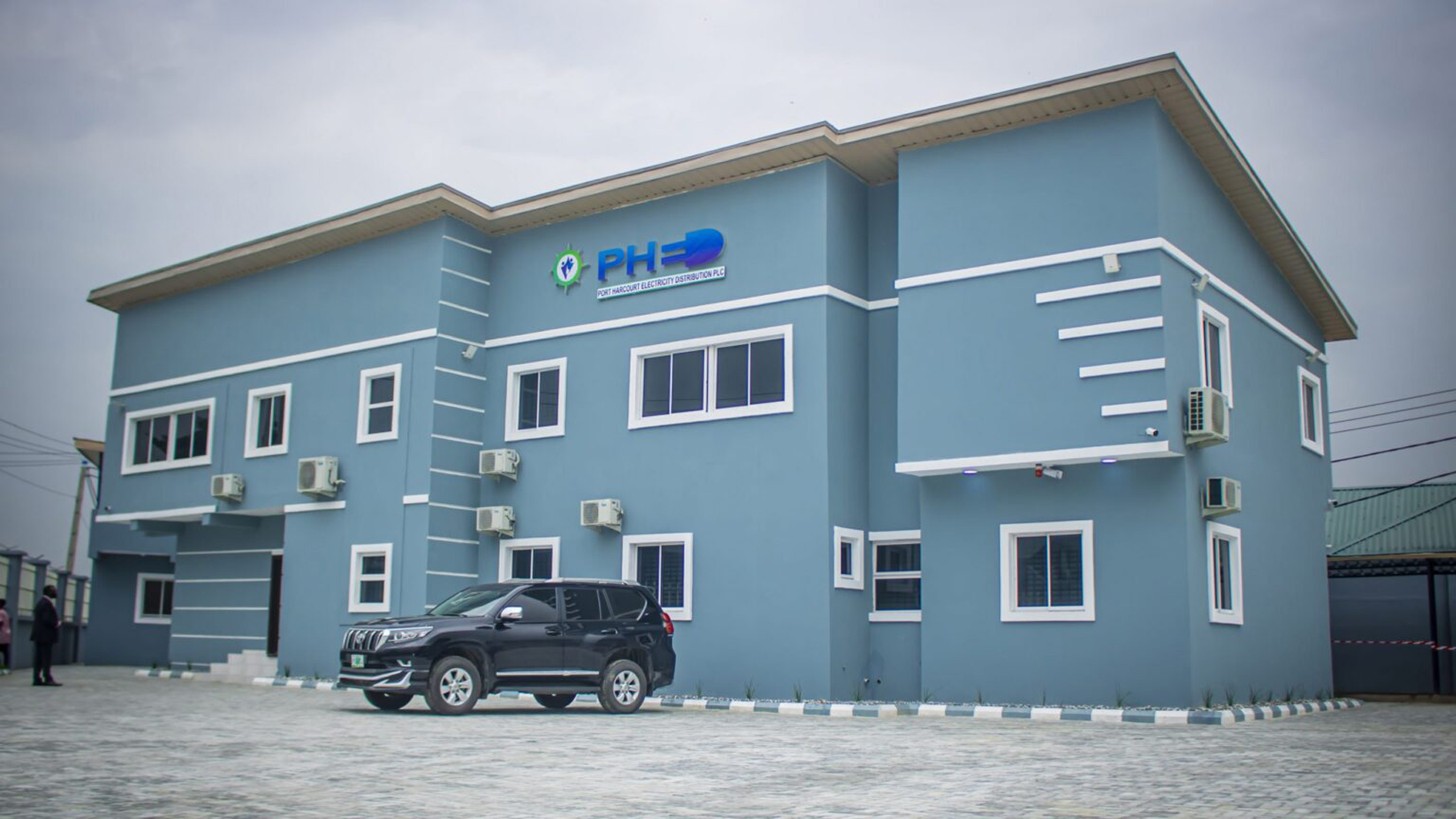
The Port Harcourt Electricity Distribution Plc (PHED) says it has installed more than 200,000 electricity meters within the last one year as part of efforts to improve service delivery, address billing concerns and strengthen customers’ confidence in its operations.
The development, according to the company’s Chief Finance Officer, Ogaga Ologe, has significantly reduced complaints relating to estimated billing and overbilling, shifting customers’ major concerns towards electricity supply and faster response to network faults.
Ologe disclosed this at a customer enlightenment and complaint resolution meeting organised by PHED in collaboration with the Nigerian Electricity Regulatory Commission (NERC) in Port Harcourt.
He said the company was gradually addressing longstanding customer concerns through increased metering, network rehabilitation and improved engagement with electricity consumers.
Comparing the complaints raised at the latest meeting with those recorded during a similar engagement last year, Ologe observed that metering issues had reduced considerably following the installation of more than 200,000 meters.
“Last year, there were so many metering issues. But within the last one year, we have installed over 200,000 metres. So that has actually resolved the issue of either over-billing or estimated billing,” he said.
He noted that electricity supply had now emerged as the major concern among customers, explaining that the challenges involved the entire power value chain, including generation and transmission, and were not solely attributable to distribution companies.
Ologe said PHED was undertaking extensive network rehabilitation, including replacing electricity lines, to improve supply consistency across its franchise area.
He acknowledged that the company was yet to meet all customers’ expectations but expressed optimism that ongoing interventions would gradually improve electricity delivery.
“We are not there yet, but we believe that we will get there. We just need our customers to be patient, to continue to report and let us know what issues they are having so we can try to fix them,” he said.
The PHED finance chief also announced plans to strengthen the company’s customer service culture by making every employee responsible for helping customers resolve their complaints.
According to him, the company is working towards a customer-first system where consumers can receive assistance from any PHED employee rather than being restricted to designated customer service personnel.
He explained that PHED had customer service offices across its regions, feeder offices and injection substations, adding that greater awareness was needed to ensure customers knew where and how to access assistance.
On the electricity band classification, Ologe explained that available power from the national grid was allocated according to the different customer bands, with Band A receiving priority because of its cost-reflective tariff structure.
He said customers on Band A were entitled to a minimum of 20 hours of electricity daily and could hold PHED accountable when the stipulated supply was not delivered.
Earlier, the Head of Corporate Communications of PHED, Olubukola Ilevbare, said the engagement was designed to bring the company’s management and customers together to discuss operational challenges, receive feedback and resolve complaints.
She explained that customer service officers were available at the meeting to address issues that could be resolved immediately, while more technical complaints would be escalated to the appropriate departments.
Ilevbare also highlighted the company’s digital customer service channels, including its 24-hour call centre, social media platforms and PHED Connect mobile application.
She said customers could use the platforms to purchase electricity tokens, obtain information and lodge complaints without necessarily visiting PHED offices.
The meeting also provided customers from different communities an opportunity to present their experiences and seek direct intervention from the company’s management.
While some participants raised concerns about delayed responses to electricity faults and inconsistent supply, others welcomed the opportunity to engage senior PHED officials directly.
Anozie Frank, one of the participants, described the meeting as an important platform for customers to obtain accurate information and present their complaints directly to decision-makers.
Similarly, Chief Aruo Nzekwe, who oversees five transformers in Ngbuato community, Eliparawon, commended PHED for organising the engagement, expressing hope that the assurances received from officials would lead to improved electricity supply in his community.
Samuel Okoro, the Light committee chairman of Nkpogu Community, also called for more operational personnel and vehicles to improve the company’s response to faults, particularly during night shifts.
Meanwhile, Osho Adewale, a customer from Oyigbo District, appealed for improved electricity supply and quicker intervention in resolving network challenges affecting his community.
Responding to concerns about electricity theft, vandalism and other infractions, Ereware said PHED had a revenue protection department responsible for addressing such issues.
She urged customers to use established complaint channels rather than take the law into their hands, noting that unresolved grievances could also be escalated to NERC for regulatory intervention.
The meeting, held under the theme, Building Value Together, formed part of PHED’s efforts to strengthen customer relationships, improve transparency and build a more responsive electricity distribution system.