
 Get Guardian on Google
Islamic scholars, community leaders, and political stakeholders have declared that true nation-building will remain an elusive dream in Nigeria until Muslims overcome political apathy, embrace active civic engagement and demand equity, justice and fair representation across all levels of governance.
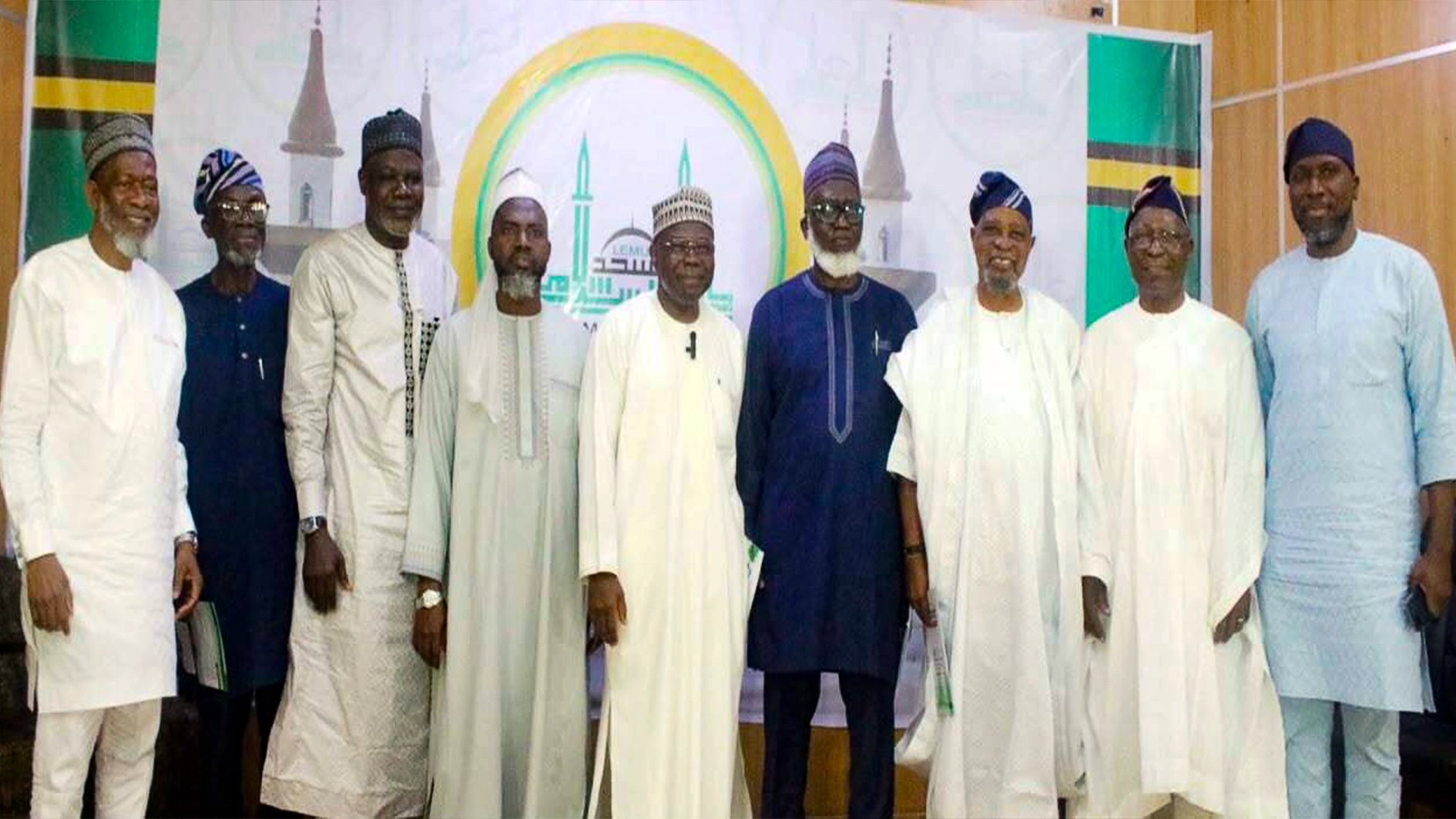
This consensus was reached at the Quarterly Da’wah Workshop organized by the Lekki Muslim Ummah (LEMU), held at the Vice Admiral Jubrila Ayinla Multipurpose Hall, Lekki Central Mosque, Lagos. The event, themed “Muslims, Politics and Good Governance,” brought together prominent Islamic leaders, legal practitioners and statesmen to deliberate on the Ummah’s civic responsibilities ahead of the 2027 general elections.
In his welcome address, the LEMU President, Engr. Ibrahim Kayode Akiode described leadership as a trust (amanah) that demands personal accountability, starting from individual households, businesses and community institutions to the highest public offices.
He urged Muslims to reflect on whether their daily conduct mirrors the honesty, compassion and fairness expected in public life.
Chairs of the occasion and former Senator representing Ogun West Senatorial District, Senator Akin Odunsi, insisted that “true Muslims should not run away from politics.” Refuting the popular notion that politics is inherently dirty, the elder statesman argued that governance requires individuals of tested moral character to manage its affairs. He credited his own clean track record in active politics to the foundational Islamic values instilled in him by his family, mosque and education.
Delivering the first lecture on “Role of Muslims in Nation Building,” Former Commissioner of Home Affairs, Dr. AbdulHakeem AbdulLateef (Hon. Iyepe) reminded the audience of the Qur’anic mandate charging Muslims as the best community evolved for mankind to command good and forbid evil.
He warned against treating political participation as optional, emphasizing that voting is a civic duty and an act of worship (Ibadah).
Cautioning against political apathy, he urged participants to secure their Permanent Voter Cards (PVCs) and actively participate in electing competent leaders, highlighting the exemplary humility and governance track record of Lagos State Deputy Governor, Dr. Kadiri Obafemi Hamzat.
Guest of Honour and legal luminary, Dr. Muiz Banire, SAN, challenged Muslim organizations to move beyond passive commentary and establish a defined political agenda.
He urged the Ummah to negotiate binding terms with candidates before extending electoral support, noting that numerical strength must be converted into structured political influence through strategic coordination.
Expanding on this imperative, the Executive Chairman of the Muslim Public Affairs Centre (MPAC), Ustadh Disu Kamor, delivered a paper titled “Justice, Fairness, Equity and Inclusiveness: Essentials of Good Governance.” He stressed that justice (’adl) and fairness (qist) are mandatory Qur’anic principles that must govern statecraft.
Citing documented imbalances across executive appointments, cabinet formations, Shariah arbitration recognition, and hijab rights, particularly across the South-West, South-East and South-South regions.
Kamor asserted that perceived exclusion weakens societal trust and corrodes governance. Drawing lessons from the political organization of Muslim communities in the United States, he outlined actionable frameworks such as MPAC’s ENGAGE initiative, the A Fair Deal or None campaign charter and the Leadership and Governance Impact Programme (LGIP) to build capacity, enforce accountability and ensure structured representation.
Corroborating the imperative of principled civic engagement, Chief Imam of Lekki Central Mosque, Imam Dr. Ridwan Jamiu, speaking on “2027 General Elections: Voting as a Civic Responsibility,” emphasized that democracy, at its core, is a mechanism of consultation (shura) to choose leadership.
He charged the electorate to reject vote-buying and financial inducements, warning that selling one’s conscience compromises governance integrity and violates divine trust. He advocated for institutionalized leadership development centers for Muslim youth and structured synergy among Islamic organizations to cultivate and recommend ethical, competent professionals for governance.
The workshop concluded with a call for Islamic organizations and leaders across the country to unify their civic strategies, establish standing joint platforms for candidate evaluation and actively mentor the next generation of public servants to ensure good governance rooted in justice, equity and public trust.