 Follow Us on Google News
 Follow Us on Google Discover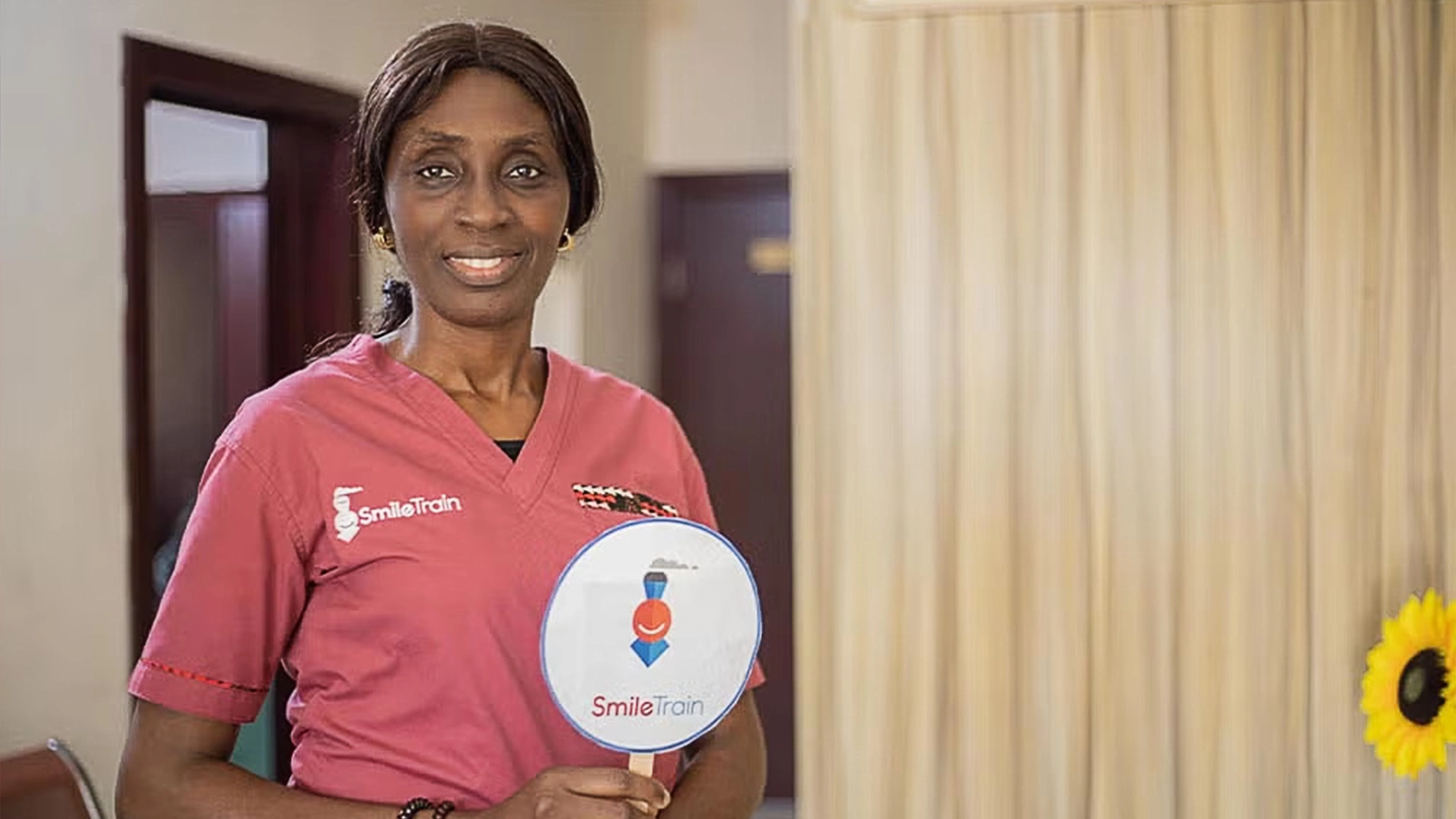
• NACLP wants FG to establish dental clinic in local councils
Leading African cleft-care experts have called on governments to build sustainable health systems capable of providing comprehensive care for children with cleft lip and palate throughout their lives.
They said cleft care must move beyond isolated surgical interventions to a comprehensive model involving surgery, anaesthesia, nursing, nutrition, speech and language therapy, dentistry, orthodontics, psychosocial support and long-term follow-up.
The experts spoke at the 6th Biennial Congress of the Pan-African Association for Cleft Lip and Palate (PAACLIP), organised by the Nigerian Association for Cleft Lip and Palate (NACLP) in Abuja.
President of PAACLIP, Prof. Adeola Olusanya, said the ultimate objective of expanding access to cleft surgery should be to establish health systems capable of overcoming infrastructure, workforce and geographical challenges and delivering quality care to future generations.
She said the complexity of cleft conditions required multidisciplinary and interdisciplinary care, stressing that “our ultimate goal must be longevity.”

Olusanya said the congress also marked a new phase in which African national cleft associations would host PAACLIP conferences, strengthening locally led solutions and giving the continent a stronger voice in global cleft-care advocacy.
President of NACLP, Dr Seidu Bello, urged the Federal Government to establish at least one community dental clinic in each of the country’s 774 local councils.
He said cleft lip and palate and other major oral diseases should be covered under the National Health Insurance Authority (NHIA) framework to reduce financial barriers to treatment.
Bello said the proposed clinics could be staffed by dental auxiliaries, including dental surgery assistants and dental therapists, to provide oral-health education, preventive services, scaling and polishing, early detection and referral of cases requiring specialist care.
“This would be a practical way of bringing oral health to the doorsteps of ordinary Nigerians,” he said.
He also called for a review of the structure of oral healthcare within the Federal Ministry of Health, including strengthening the Dentistry Division as an Oral Health Division to provide broader coordination of cleft conditions, dental diseases, noma and other oral-health challenges.
Bello acknowledged the contribution of Smile Train and other partners to expanding cleft care and developing local capacity in Nigeria.
Meanwhile, the Federal Government has pledged to integrate cleft care into Nigeria’s mainstream health system, saying thousands of children born with the condition still face barriers to surgery, speech therapy, orthodontic care, nutrition and psychosocial support.
Minister of State for Health, Dr Adekunle Salako, said cleft surgery should no longer be treated as an act of charity but as a routine component of the national health system.
“Behind every number is a child,” Salako said, stressing the need to ensure affected children can eat, speak, attend school and live with dignity and confidence.
He said programmes supported by Smile Train in Nigeria had contributed to 45,786 cleft surgeries, 1,853 speech therapy interventions, 2,433 orthodontic treatments and 2,033 nutrition interventions since the first free cleft surgery under the programme was performed at Ahmadu Bello University Teaching Hospital, Zaria, in 2002.
Salako said the next phase should focus on integrating cleft services into existing government health structures rather than creating parallel systems.
He said the Federal Ministry of Health would work with professional associations, health insurance institutions and development partners to establish a defined package of comprehensive cleft care for vulnerable children, particularly those under five.
The package, he said, should cover surgery, speech therapy, orthodontics, nutrition and follow-up services.
He also announced plans to strengthen cleft care at the primary healthcare level through improved referral systems and team-based training for health workers.
A national cleft registry would also be integrated into Nigeria’s health information system to enable the government to track cases, guide planning and improve resource allocation.
Salako said the government would also explore the Vulnerable Group Fund under the national health insurance framework to provide financial protection for children with cleft conditions and other vulnerable groups.
“With the right systems in place, cleft care should become a routine part of healthcare, not an act of charity,” he said.
President and Chief Executive Officer of Smile Train, Susannah Schaefer, said sustainable cleft care required investment in local medical professionals rather than reliance on visiting teams.
She said barriers to continuous care included the cost and difficulty of travel, geographical and socioeconomic challenges, fragmented health systems and shortages of trained professionals.
Schaefer called for specialist centres to serve as hubs for training and complex care while appropriate services were brought closer to communities. She also advocated greater use of digital technology and telehealth to connect specialists with underserved areas.
Smile Train Vice President and Regional Director for Africa, Nkeiruka Obi, warned that Africa’s health workforce shortage could undermine efforts to establish resilient cleft-care systems.
Citing the World Health Organisation’s State of the Health Workforce in Africa 2026 report, she said the continent could face a shortage of about 5.85 million health workers by 2030, rising to 6.28 million by 2035 if current trends continue.
She said resilience required not only training but also creating environments where health professionals could build careers, lead institutions, conduct research and serve their communities.
Obi said Smile Train’s work in Africa had contributed to comprehensive cleft care for more than 200,000 people, while partnerships with regional surgical colleges were helping strengthen the pool of African professionals.
Chairman of the Local Organising Committee, Prof. Nnadozie Ugochukwu, urged African governments to treat cleft care as a matter of equity, dignity and human rights rather than charity.
“We must ensure that every African child born with a cleft has access to safe, dignified, affordable and sustainable care,” he said.

