 Follow Us on Google News


 Follow Us on Google Discover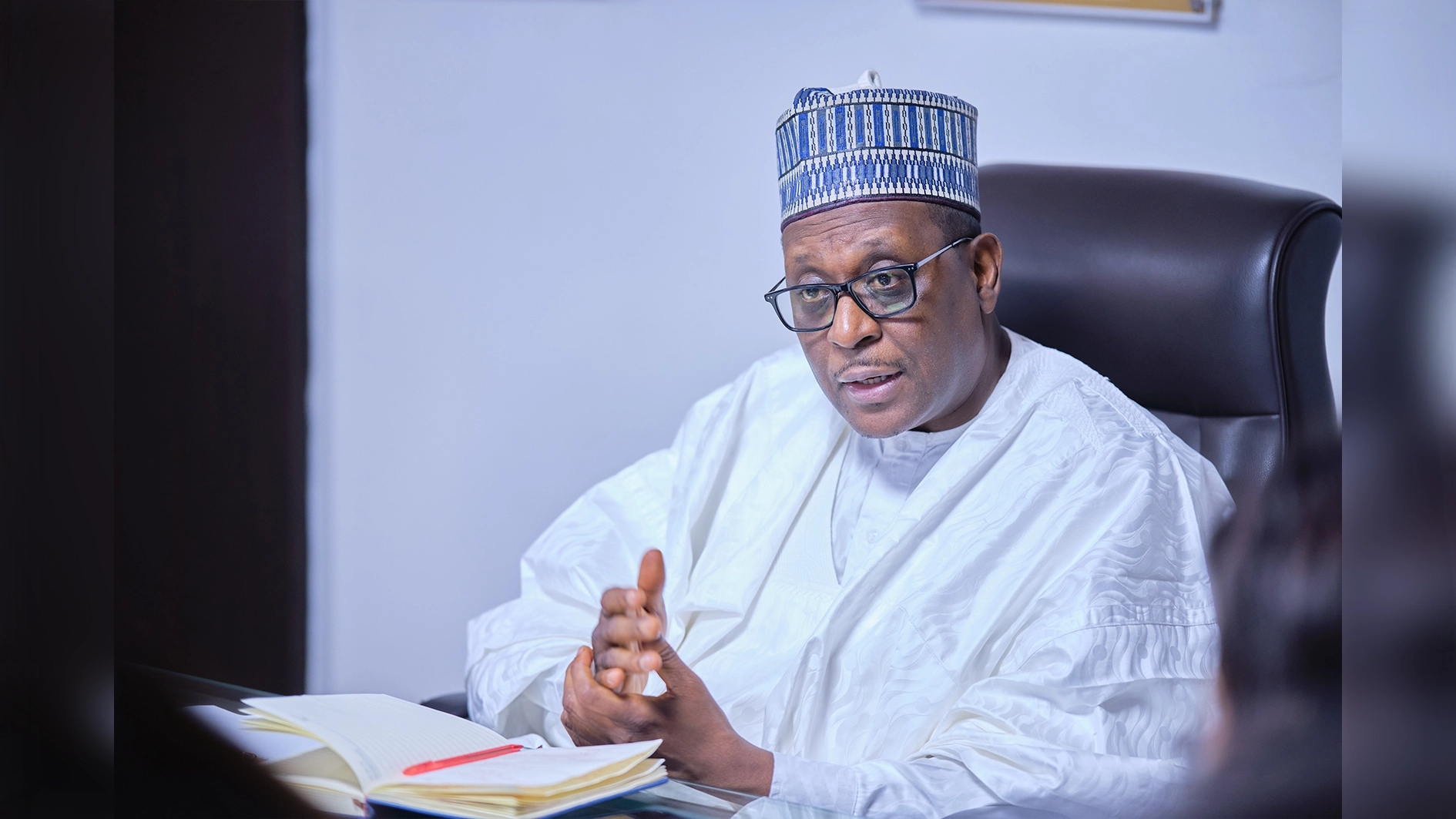
The Federal Government has pledged to repositiontraditional medicine as a safe, evidence-based and properly regulated component of Nigeria’s healthcare system.
The Minister of State for Health and Social Welfare, Dr Adekunle Salako, stated this at the commemoration of the 2026 African Traditional Medicine Day in Abuja, themed around research and development in traditional medicine towards achieving universal health coverage in Africa.
Salako said traditional medicine remained an important part of Nigeria’s cultural heritage and had served communities for generations. He, however, stressed that cultural acceptance was not scientific evidence and that products and practices must undergo rigorous evaluation.
He said the Nigerian Traditional Medicine Policy provides a framework for the development and appropriate integration of traditional medicine into the national health system, while the Department of Traditional, Complementary and Alternative Medicine was established to develop policies, promote commercialisation and facilitate integration.
The minister identified safety, quality, efficacy and consistency as priorities, stressing the need to validate therapeutic claims and establish the composition, potency, purity and safety of products.
He said the government had strengthened the sector through the 2025 Strategic Plan of Action for implementing the Traditional Medicine Policy and the Code of Ethics and Practice for practitioners.

Salako called for stronger collaboration among practitioners, researchers, regulators and conventional healthcare professionals, saying Nigeria must move beyond acknowledging traditional medicine to validating and appropriately integrating proven interventions.
He urged investors and the private sector to support research, manufacturing and commercialisation of scientifically validated products, while calling on development partners to support African-led research and capacity building.
Salako stressed that traditional and modern medicine should not be seen as competing systems but as complementary approaches where evidence and safety support their use.
Also speaking, a representative of the World Health Organisation (WHO), Dr Hamza Omotayo, urged Nigeria to strengthen research, regulation and quality assurance to ensure the safe integration of traditional medicine into healthcare.
Omotayo said traditional medicine remained a major source of care for millions, particularly in communities where it was accessible, affordable and culturally accepted.
He commended Nigeria’s policy and institutional framework, including the National Traditional Medicine Policy and Nigerian Pharmacopoeia, but called for greater investment in research and clinical evaluation to establish the safety and efficacy of traditional medicine products.
He also urged stakeholders to document and preserve indigenous knowledge, promote local production, protect intellectual property rights and ensure equitable benefit-sharing with indigenous communities.
In a goodwill message, the Senior Special Assistant to the President on Women’s Health, Dr Adanna Steinacker, called for the preservation of indigenous medical knowledge through research, regulation and quality assurance.
Steinacker said research could help identify effective traditional practices and transform credible indigenous knowledge into healthcare solutions. She cautioned, however, that traditional medicine must not delay antenatal care, skilled delivery, emergency treatment or timely referral when required.
She called for stronger regulation, conservation of medicinal plants and biodiversity, protection of community knowledge from exploitation, and clear referral pathways between traditional medicine practitioners and recognised health facilities.

