Nigeria and much of the global community are off track in meeting the 2025 milestones of the World Health Organisation’s (WHO) End TB Strategy, with new data showing slower-than-required declines in tuberculosis (TB) deaths and infections.
The WHO, in its latest assessment, noted that the End TB Strategy, endorsed by the World Health Assembly in 2014 and aimed at ending the global TB epidemic by 2035, set ambitious 2025 interim targets: a 75 per cent reduction in TB deaths and a 50 per cent reduction in TB incidence compared with 2015. By the end of 2025, however, global progress fell far short: TB mortality had declined by only 29 per cent, while incidence dropped just 12.3 per cent, highlighting persistent gaps in prevention, early detection, and treatment.
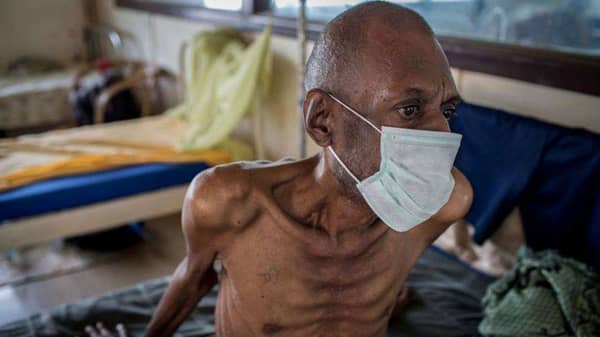
In Nigeria, the TB burden remains high. The WHO reported an estimated 510,000 new TB cases in 2024, translating to an incidence rate of 219 cases per 100,000 population. Deaths were estimated at 56,000 among HIV-negative people, with an additional 5,800 deaths among people living with HIV. While total TB deaths fell by 63 per cent between 2015 and 2024, incidence rates showed no significant decline, suggesting ongoing community transmission.
Pulmonary TB accounted for 99 per cent of reported cases, with 80 per cent bacteriologically confirmed. Drug-resistant TB remains a major concern, with an estimated 8,200 cases of multidrug-resistant or rifampicin-resistant TB (MDR/RR-TB) in 2024; only 3,090 people with confirmed rifampicin-resistant TB received treatment.
Despite these challenges, treatment outcomes in Nigeria were relatively strong. Success rates reached 94 per cent among new or relapse TB cases, 83 per cent for TB patients living with HIV, and 76 per cent for patients with rifampicin-resistant TB. However, the economic toll remains severe, with 71 per cent of TB-affected households facing catastrophic costs, according to a 2017 national survey, reflecting persistent gaps in social protection and universal health coverage.
Funding constraints continue to threaten TB control efforts. Only $114 million was available for TB prevention, diagnosis, and treatment in 2024, with just 18 per cent from domestic sources. Nigeria’s estimated 2025 national TB budget is $405 million, yet 73 per cent remains unfunded, raising concerns about sustaining gains. Globally, Nigeria is among the top eight countries driving the TB burden, accounting for 4.8 per cent of all cases, with 87 per cent of global TB concentrated in just 30 countries.
WHO Director-General Dr Tedros Ghebreyesus warned that progress, while encouraging, is insufficient: “Declines in the global burden of TB, and improvements in testing, treatment, social protection and research are all welcome news after years of setbacks, but progress is not victory. The fact that TB continues to claim over a million lives each year, despite being preventable and curable, is simply unconscionable.”
The WHO cautioned that stagnating global funding and planned donor cuts from 2025 could lead to up to 2 million additional deaths and 10 million new TB cases by 2035. The organisation called for increased domestic investment, expanded preventive treatment, stronger health systems, and sustained political commitment to avoid further setbacks in achieving End TB targets by 2030.