The Federal Government on Thursday inaugurated the Environmentally Sound Management and Disposal of Polychlorinated Biphenyls (PCBs) Treatment Centre in Abuja, a landmark step toward addressing hazardous chemical pollution and protecting public health.
The facility, located at the Sheda Science and Technology Complex (SHESTCO) in Kwali, was established through a partnership between the Federal Ministry of Environment and the United Nations Development Programme (UNDP), with funding support from the Global Environment Facility (GEF).
Speaking at the commissioning, the Minister of Environment, Balarabe Abbas Lawal, described the centre as a demonstration of Nigeria’s commitment to environmental sustainability, responsible waste management, and human health protection.
He noted that the facility is one of only two of its kind in Africa, and the government is considering establishing similar centres across Nigeria’s six geopolitical zones.
“This PCB treatment facility is a direct demonstration of our dedication to meeting these obligations and building lasting institutional capacity.
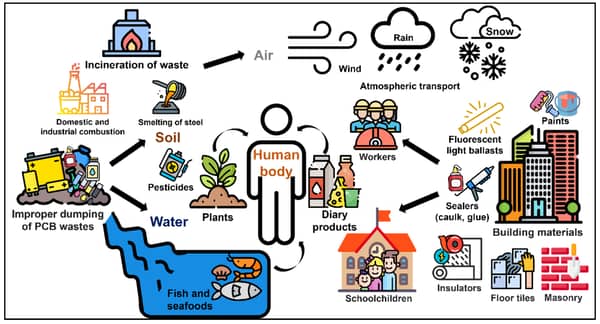
“PCBs are highly hazardous pollutants that pose serious risks to human health, biodiversity, and the entire environment. When improperly handled or disposed of, they can cause severe illnesses such as cancer and reproductive disorders, and lead to long-term damage to our ecosystems.
“By enabling the decontamination and environmentally sound treatment of PCBs, the centre would help prevent further contamination of soil, water, and food systems, while reducing health risks for surrounding communities.”
He explained that the project aligns with Nigeria’s national development priorities and obligations under the Stockholm Convention on Persistent Organic Pollutants, which seeks to eliminate or restrict hazardous substances.
Lawal highlighted achievements under the project, including the development of policies and guidelines to strengthen chemical and waste regulation, training government agencies and private operators on safe handling and transportation of PCB-contaminated materials, and conducting national inventories to support evidence-based decision-making.
“Funding without expertise could easily be wasted,” Lawal said, expressing gratitude to the GEF for financial support and UNDP for technical leadership and capacity building.
He also commended SHESTCO management, the project contractors from Malaysia, traditional rulers, and community leaders for their cooperation, noting that the initiative exemplifies effective governance continuity.
In her remarks, the UNDP Resident Representative in Nigeria, Ms. Elsie Gyekyewaa Attafuah, hailed the commissioning as both a national and regional milestone, describing it as West Africa’s first-ever PCB treatment facility.
“This is a powerful demonstration of Nigeria’s leadership and commitment to environmental sustainability, public health protection, and global compliance under the Stockholm Convention.
“By investing in this facility, Nigeria is protecting its people and environment while safeguarding workforce productivity and reducing future public health burdens.”
Attafuah outlined three key outcomes of the project: the establishment of a state-of-the-art facility meeting national and international standards, Nigeria’s emergence as a regional model for environmentally sound hazardous waste management, and the creation of economic and human capital opportunities through skills development and technology transfer.
“As we celebrate this achievement, we reaffirm our shared vision of a future where environmental responsibility drives economic growth and social well-being,” she added, linking the initiative to the Sustainable Development Goals on health, clean energy, responsible consumption, and climate action.