 Follow Us on Google News


 Follow Us on Google Discover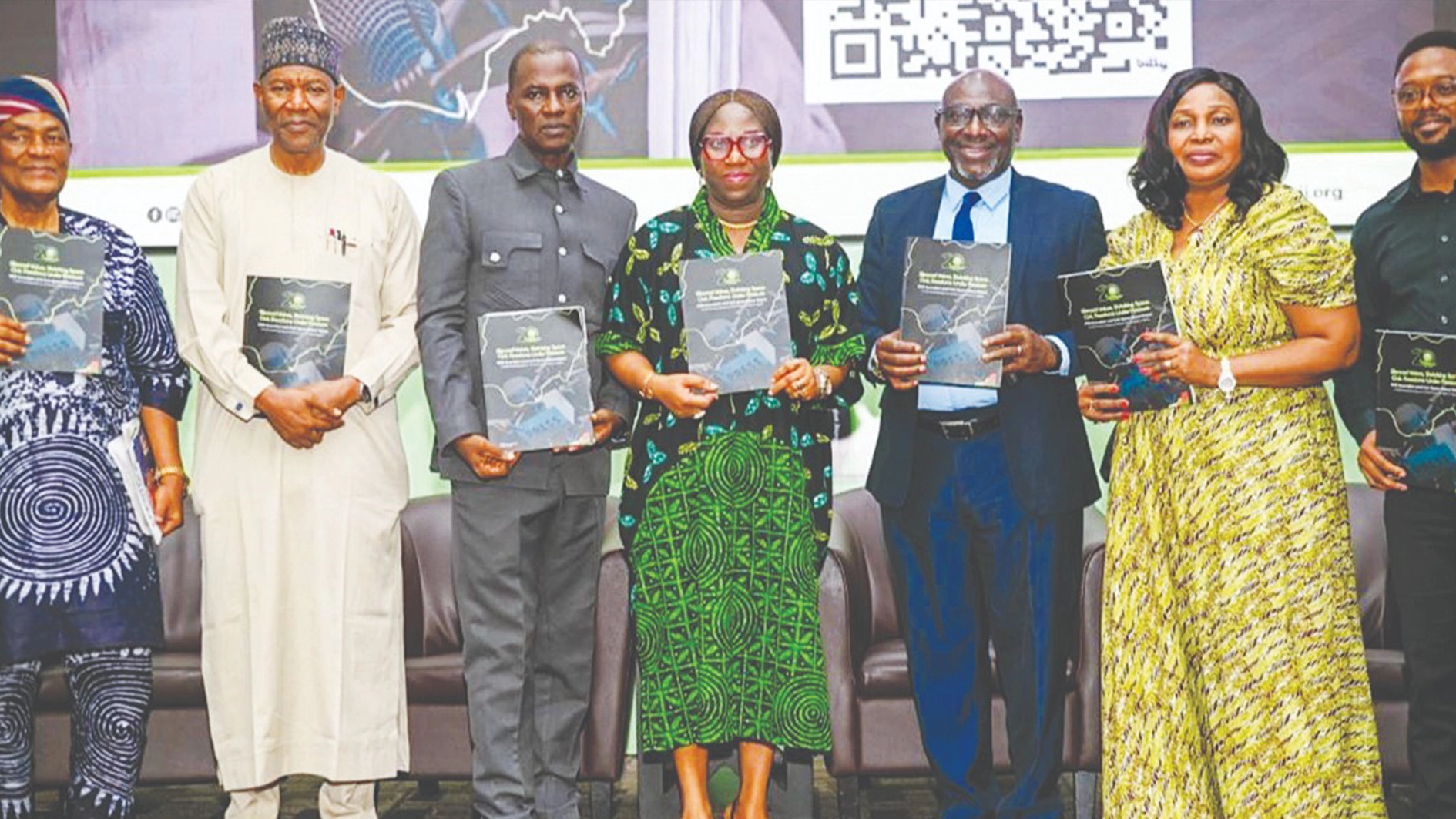
A media monitoring report on infractions of civil rights in the country has revealed a civic space under sustained and evolving pressure, despite the nation’s continued democratic governance and constitutional guarantees of fundamental rights.
The report was published by the Wole Soyinka Centre for Investigative Journalism (WSCIJ) and presented publicly at the 18th media lecture series in Lagos recently.
Titled, ‘Silent voices, shrinking space: Civic freedoms under pressure,’ the lecture series was held in commemoration of Nobel Laureate, Prof. Wole Soyinka’s 92nd birthday.
The findings of the 2025 Journalism and Civic Space Status Report revealed documentation of 245 incidents across 570 media reports demonstrates that restrictions on freedom of expression, access to information, peaceful assembly, and civic participation remain persistent features of the country’s civic landscape.
The report cited predominance of state actors in reported incidents, particularly law enforcement agencies; highlights the central role public institutions play in either protecting or restricting civic freedoms.
Equally significant is the emergence of ordinary citizens as the most affected group during the reporting period. Civic space violations are no longer experienced primarily by journalists, activists, or organised civil society actors; they increasingly affect Nigerians seeking to express opinions, demand accountability, participate in protests, or engage in public affairs.

The following recommendations were offered in the report, institutionalising civic space reporting; expanding investigative and data journalism; strengthening journalist protection mechanisms; publicly condemning attacks on journalists and protesters; tracking civic space as a democratic governance issue; improving data transparency; protecting digital civic space and strengthening accountability institutions.
Others include, strengthening collective media advocacy and improving gender-sensitive reporting.
WSCIJ Executive Director /Chief Executive Officer, Motunrayo Alaka, disclosed the centre monitors civic space because investigative journalism can only thrive where citizens and the media are free to seek, receive, produce, and share information without fear.
To her, “At WSCIJ, we believe that strengthening democracy requires more than courage. It demands evidence, accountability, collaboration, and sustained solidarity among stakeholders. Through this report, we seek not only to document violations but also to contribute to informed dialogue, encourage institutional reforms, strengthen advocacy efforts, and support development of practical responses that protect civic freedoms and democratic participation.”
In his lecture, Prof. of Media History and immediate past Vice Chancellor of the Federal University Kashere (FUK), Gombe State Umaru Pate advocated elite consensus in changing the nation’s narratives.
He classified the elite as, intellectual, political, military, business and bureaucratic.
To the don, “we have reached a point where our elite are not even protective of their future.”
Good elites, like the western world provide level playing field for others to have a sense of belonging.”
Concerning trust, he noted, “when there is no accountability, corruption flourishes, public resources are wasted.”
Democracy weakens, and people become distrustful of the system.”
To him, “from governance to security, education and the media, the crisis of trust has become very challenging, hindering Nigeria’s unity and progress. So, truth is under attack.”
Saying democracy goes with responsibility of accountability and transparency, he insisted leaders must be sanctioned when they are involved in any form of misconduct.
Pate added, “trust can be cultivated in the heart of people when they see leaders who are truthful and competently managing their resources. There is no way the nation can grow when individual takes national resources.”
Citing poverty, conflict and over growing population and other issues, he argued democracy that fails to improve livelihood will eventually lose legitimacy.
Noting nation building is an ongoing project, he added, “we should be able to maintain confidence and trust in the Nigerian project.”
In conclusion, the don suggested that the local government system must also be strengthened to tackle insecurity challenges.
Consul General Kingdom of Netherlands in Lagos, Mitchel Deelen, who has been supporting WSCIJ over the years, noted, “we are proud of the work the centre has been doing. Investigative journalism is a serious business but sometimes not safe. You might uncover things people don’t like.”
Saying democracy has been sustained over the years, he, however, advocated qualitative education.
There was also a panel session that dissected the theme of the lecture. Head of Department Voter Education and Publicity Independent National Electoral Commission (INEC) Lagos, Taiwo Gbadegesin, urged members of the political class to get masses educated as the end beneficiary of the project.
On his part, Deputy Commissioner of Police,Anthony Placi, who represented Lagos State Commissioner of Police said citizens participation is important in security.
He added Police has a responsibility to protect journalists so that they can protect the truth.
General Manager, RadioNow FM Nabila Usman stressed need to adopt radio in order to effectively engaged Nigerians, understanding that the medium is speaking to larger percentage of the country’s population.

