
 Get Guardian on Google
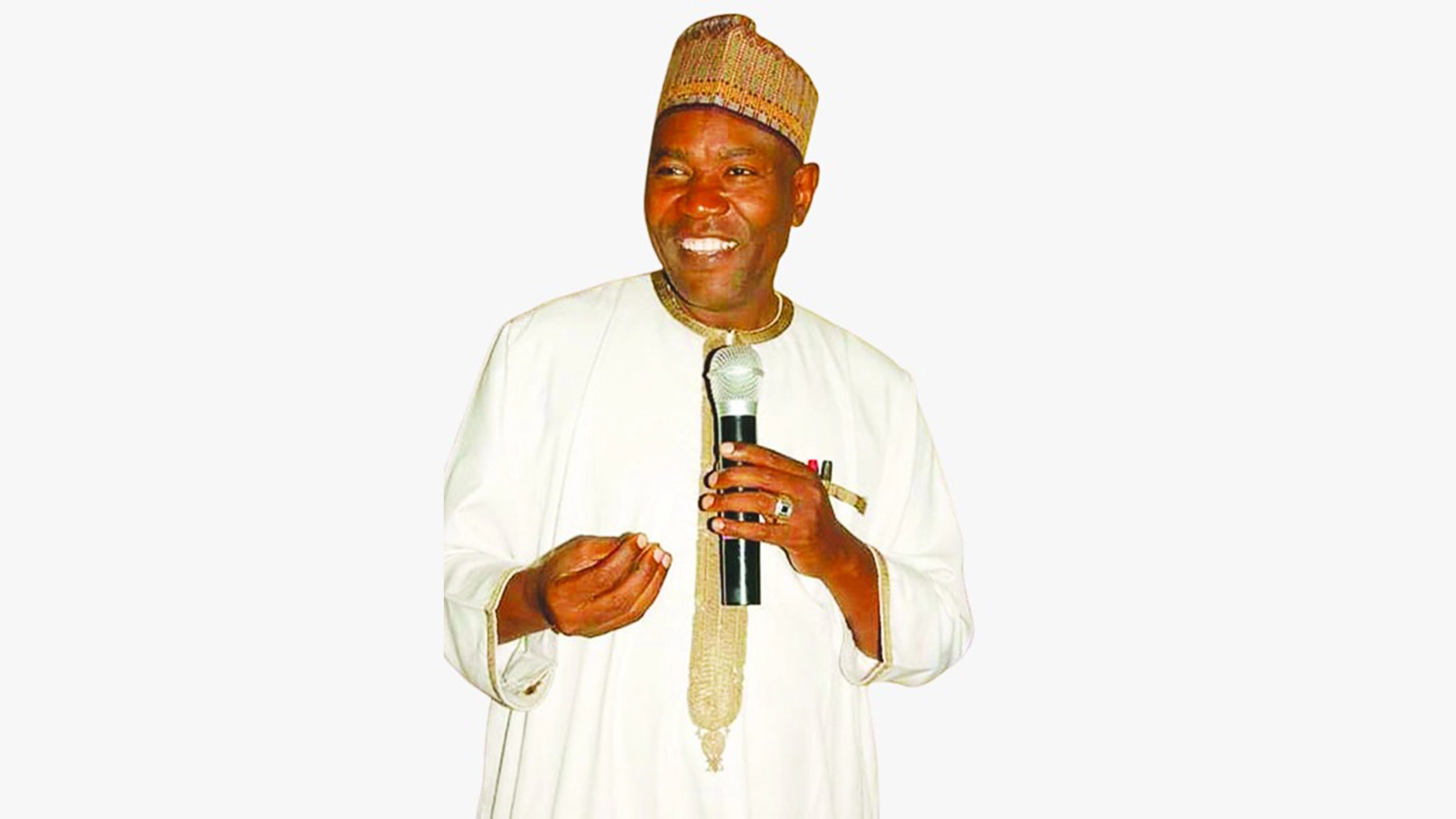
President Society of Nigerian Broadcasters (SNB), Prof. Umar Pate, has urged the Minister of information and national orientation Mohammed Idris to prioritise securing presidential assent to its bill.
According to the don, the bill is a landmark legislation essential to the recognition, professionalisation and sustainable development of broadcasting practice in the country.
Pate disclosed the proposed legislation would establish a statutory framework for strengthening professional standards, promoting ethical conduct, enhancing competence and institutionalising continuous professional development among broadcasting practitioners.
In addition, he said the bill, when it becomes law, would give broadcasters stronger professional identity, institutional recognition and a framework for safeguarding integrity and future of the profession.
The SNB also acknowledged the minister’s commitment to reviewing the Nigerian Broadcasting Code, addressing outstanding Digital Switch-Over challenges, ensuring compliance with the 45-day advertising payment policy and engaging stakeholders on issues relating to industry financing and spectrum allocation.
Pate, however, called for sustained government attention to the welfare, economic security and professional advancement of broadcasters.
He advocated improved working conditions, fair remuneration, professional protection and access to continuous training, while calling for greater institutional support for community and educational broadcasting.
The SNB also stressed the need for adequate representation of professional broadcasters in policy discussions affecting the industry.
As the nation approaches the 2027 general elections, SNB also aligned itself with the minister’s call for responsible journalism and urged broadcasters to uphold “accuracy, fairness, balance, professionalism and ethical standards” in their coverage of the electoral process.
The Society reaffirmed its readiness to collaborate with the Federal Ministry of Information and National Orientation, the National Broadcasting Commission, the Broadcasting Organisations of Nigeria and other relevant stakeholders towards building a stronger, more professional and sustainable broadcasting industry.
It maintained that while the minister’s interventions were important to the operational sustainability of broadcasting organisations, presidential assent to the SNB Bill remained a defining step towards institutionalising professional standards, securing recognition and protecting the future of Nigerian broadcasters.
In conclusion, the Society expressed appreciation to Idris for his continued engagement with the industry and urged him to sustain the momentum by championing the bill through the final stages of the legislative process.