 Follow Us on Google News


 Follow Us on Google Discover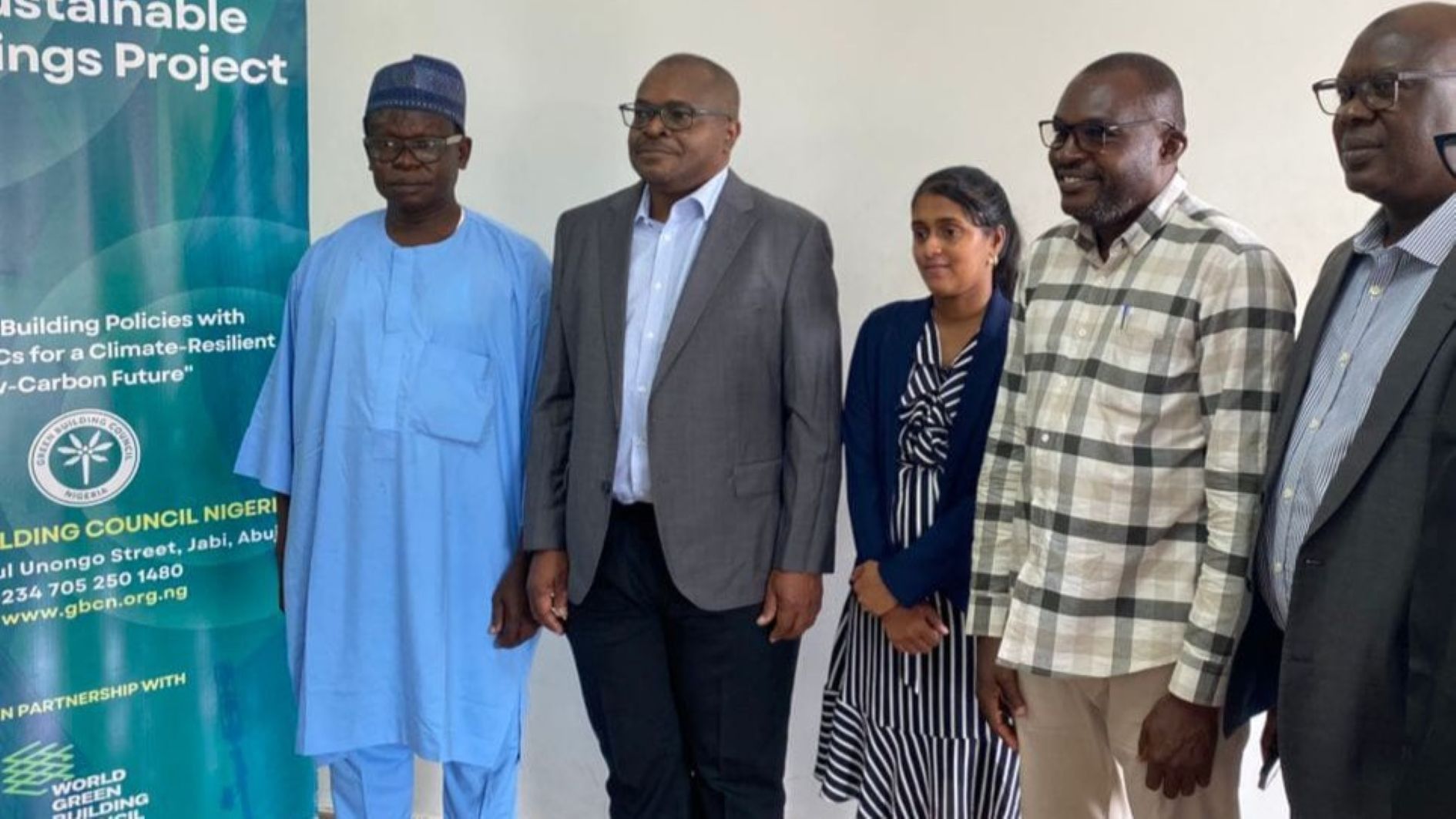
Green Building Council Nigeria (GBCN), in collaboration with stakeholders across government, industry, finance, academia, and civil society, has commenced the development of the National Decarbonisation and Resilience Roadmap for Nigeria’s buildings and construction sector.
The initiative comes at a time when Nigeria’s building sector is undergoing rapid transformation. With urbanisation accelerating, infrastructure demand rising, and climate risks intensifying, a significant share of the country’s future building stock is yet to be constructed. How these buildings are planned, designed, and delivered will have long-term implications for emissions, resilience, and the quality of urban development.
While these trends present clear risks – particularly the potential to lock in carbon-intensive and climate- vulnerable systems – they also offer a major opportunity. By integrating low-carbon and climate-resilient approaches into new development, Nigeria can shape a built environment that supports economic growth, improves living conditions, and strengthens long-term sustainability.
The roadmap builds on existing national efforts to strengthen the role of the buildings sector within Nigeria’s climate and development agenda, including the Climate Change Act, the updated Nationally Determined Contribution (NDC 3.0), and the Long-Term Low Emission Development Strategy. It also draws on recent GBCN-led sector initiatives such as the NDC Scorecard for Sustainable Buildings Project, which convened over 250 stakeholders and informed a National Action Plan for Sustainable Buildings.
According to GBCN, the roadmap is intended to translate this growing momentum into practical implementation. It will provide a framework to connect policy ambition with market realities and delivery pathways, supporting stronger collaboration across stakeholders while identifying opportunities for investment and action across the sector.
Speaking on the initiative, Danjuma Waniko, President of GBCN, noted: “This roadmap builds on the progress that has already been made and aims to support clearer pathways for implementation of Nigeria’s climate and development priorities. Importantly, it is a collaborative process – working with stakeholders across the ecosystem to strengthen connections between policy, market realities, and implementation in a way that supports long-term transformation of the sector.”

The roadmap development is expected to span approximately 18 months and will combine technical analysis with ongoing stakeholder engagement and validation. It will include an assessment of the sector’s emissions profile and policy landscape, identification of priority areas for transformation, and the development of actionable pathways for implementation.
To support this effort, a national multi-stakeholder working group has been established, bringing together representatives from government, private sector, finance institutions, academia, and civil society. The group will provide input and feedback at key stages of the process to ensure that the roadmap reflects sector realities and aligns with national and subnational priorities.
The roadmap is being developed with support from the World Green Building Council (WorldGBC) as part of its Building the Transition Roadmaps programme, in collaboration with the Global Alliance for Buildings and Construction (GlobalABC).
GBCN noted that the process will continue to engage stakeholders across the country, with further updates expected as the roadmap progresses.

