 Follow Us on Google News


 Follow Us on Google Discover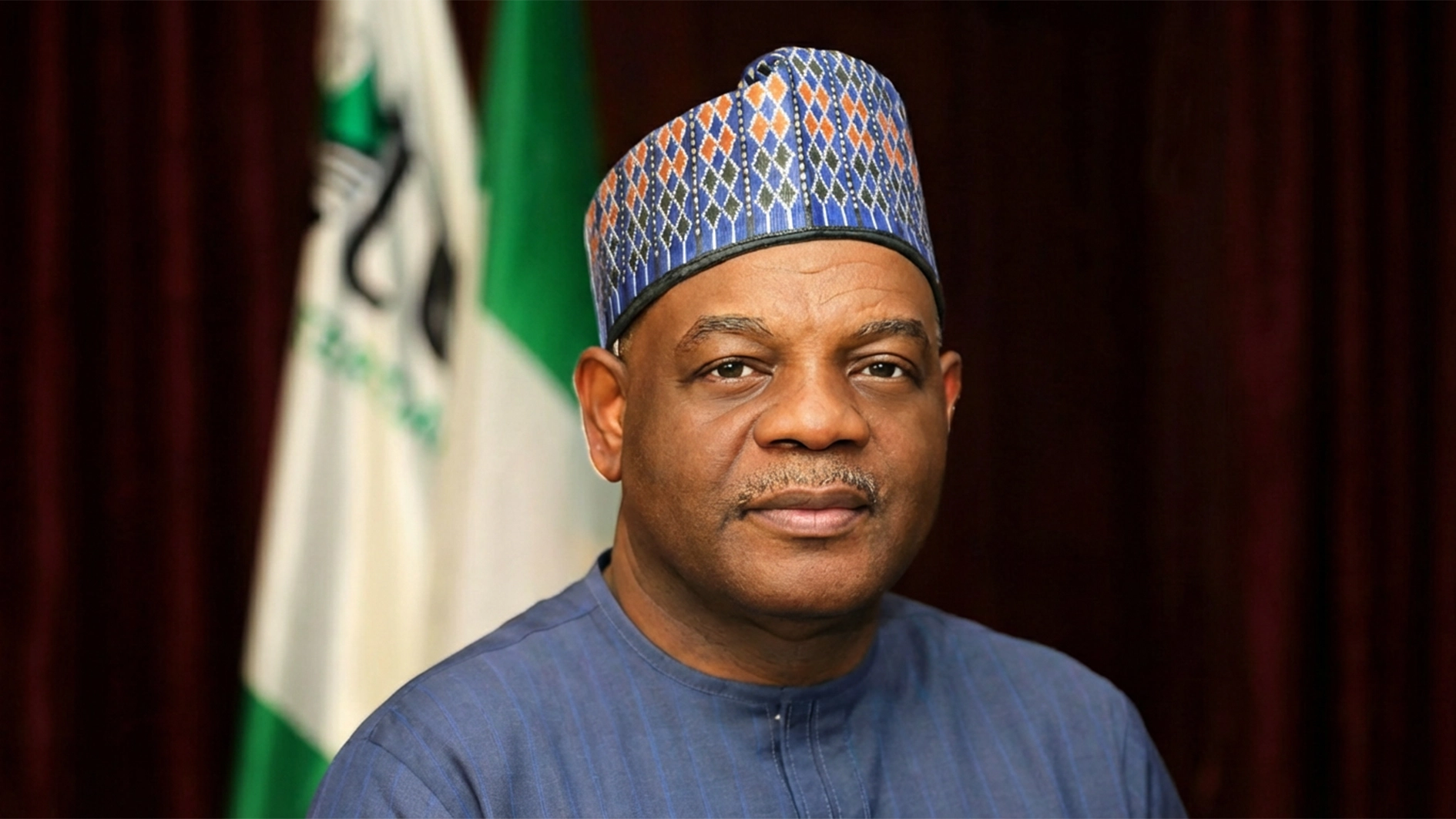
Nigeria’s quest to build a knowledge-driven economy has often been constrained by its inability to translate research outputs into commercially viable products and businesses.
Across the country’s tertiary institutions, groundbreaking research findings have traditionally been confined to academic journals and library shelves, with limited pathways to industry adoption or large-scale societal impact.
This disconnect between academia and industry has for decades, deprived the country of the economic benefits that flow from innovation, including job creation, industrial growth and technological advancement. While developed economies derive substantial value from commercialising university-based research, Nigeria has struggled to establish sustainable frameworks that support innovators from the laboratory to the marketplace.
It is against this backdrop that the Israel-Nigeria Innovation Fellowship for Aspiring Inventors and Researchers (i-FAIR) Programme emerged as a promising models for transforming academic excellence into entrepreneurial success. The initiative, which is a collaboration between the Tertiary Education Trust Fund (TETFund), the State of Israel and Innov8 Hub, has demonstrated the impact of mentorship, technical support and access to entrepreneurial ecosystems on national development.
Currently in its fourth year, the programme has supported more than 130 Nigerian innovators, facilitated development of over 80 prototypes and delivered solutions advancing 16 of the United Nations Sustainable Development Goals (SDGs). Beyond the statistics however, i-FAIR represents a deliberate attempt to institutionalise innovation and build an ecosystem, where ideas can mature into products capable of addressing most pressing socio-economic challenges.
Speaking at the graduation ceremony of the fourth cohort of the programme in Abuja, the Executive Secretary of TETFund, Sonny Echono, reaffirmed the Fund’s commitment to supporting research, innovation and entrepreneurship in the country, emphasising that commercialising research outputs remains critical to the country’s socio-economic development.
His remarks reflected TETFund’s evolving philosophy on higher education funding. Beyond providing physical infrastructure in tertiary institutions, the Fund is increasingly positioning itself as a catalyst for innovation-driven economic growth by investing in programmes that convert academic discoveries into market-ready solutions.
Echono believes that commercialisation of research is an economic imperative and consequently argued that Nigeria cannot afford to continue producing valuable research outputs without developing the institutional mechanisms required to move them from laboratories and classrooms into industries and communities, where they can create measurable impact.
“The problem of what to do with commercialisable research results or inventions usually stems from the difficulty academia faces in forging effective links with industry. It is this critical linkage between Science, Engineering, Technology and Innovation and the productive sector that is essential for translating research outputs into finished products for socio-economic benefit”, he stated.
Recognising this challenge, TETFund in recent years, expanded its interventions beyond traditional funding models. Through initiatives such as the Research for Impact (R4i) programme, the TETFund Alliance for Innovative Research (TETFAIR) and other capacity-building interventions, the Fund is gradually institutionalising Research and Development (R&D) across tertiary institutions.
The i-FAIR programme complements these interventions by providing participants with nine months of innovation and venture development support designed to transform ideas into commercially viable products and services. Its thematic focus areas, including food security, medicine, educational technology, circular economy and clean energy, are particularly significant because they align closely with Nigeria’s national development priorities.
Echono observed that public funding remains the predominant source of support for research and development activities across many developing countries, lamenting the relatively inadequate role of the private sector in financing innovation across Africa. His concern reflects a broader continental reality. According to various international studies, African countries collectively account for a small fraction of global expenditure on research and development. Private sector participation remains limited despite the enormous commercial opportunities that innovation presents.
The implication is that public institutions such as TETFund continue to shoulder a disproportionate burden in financing research activities. While government interventions remain essential, sustainable innovation ecosystems ultimately require stronger collaborations between academia, industry, investors and development partners.
Echono however disclosed that TETFund is exploring more innovative funding mechanisms to deepen support for impactful research and innovation programmes. Such efforts could prove transformative if they succeed in attracting private investments into university-based innovations and early-stage enterprises.
Interestingly, previous cohorts of the programme have demonstrated what becomes possible when innovators receive appropriate support. Participants have developed patented innovations while several entrepreneurs have emerged from the initiative to provide homegrown solutions to critical national challenges.
By celebrating a new generation of entrepreneurs developing practical solutions to societal problems, the initiative is helping to reposition tertiary institutions as incubators for economic transformation.
The programme’s collaborative framework has equally become one of its greatest strengths.
Beyond financial support, participants benefit from international mentorship and exposure to global best practices in innovation management and entrepreneurship.
In his remarks, Israeli Ambassador to Nigeria, Michael Freeman, highlighted the programme’s remarkable success, noting that it has empowered Nigerian innovators through mentorship from Israeli experts, resulting in thriving businesses and meaningful contributions to economic growth.
Freeman clarified that the programme was never designed to export Israeli solutions to Nigerian problems but to enable Nigerian innovators develop indigenous solutions while leveraging Israel’s globally recognised expertise in innovation and entrepreneurship.
“This programme has never been about bringing Israeli solutions to Nigeria. It is about helping brilliant Nigerian innovators develop local solutions to problems with Israeli support, experience, mentorship and innovation”, he said.
Freeman expressed appreciation to TETFund, Innov8 Hub and other partners for sustaining the initiative over the years. More importantly, he announced funding for the fifth edition of the programme, with applications expected to commence later in October.
Also speaking, Founder, Future Africa, Iyinoluwa Aboyeji, challenged participants to move beyond building startups to creating enduring institutions capable of transforming societies. He emphasised that Africa’s future prosperity will depend largely on the ability of its innovators to develop solutions that address local problems while remaining globally competitive.

