 Follow Us on Google News


 Follow Us on Google Discover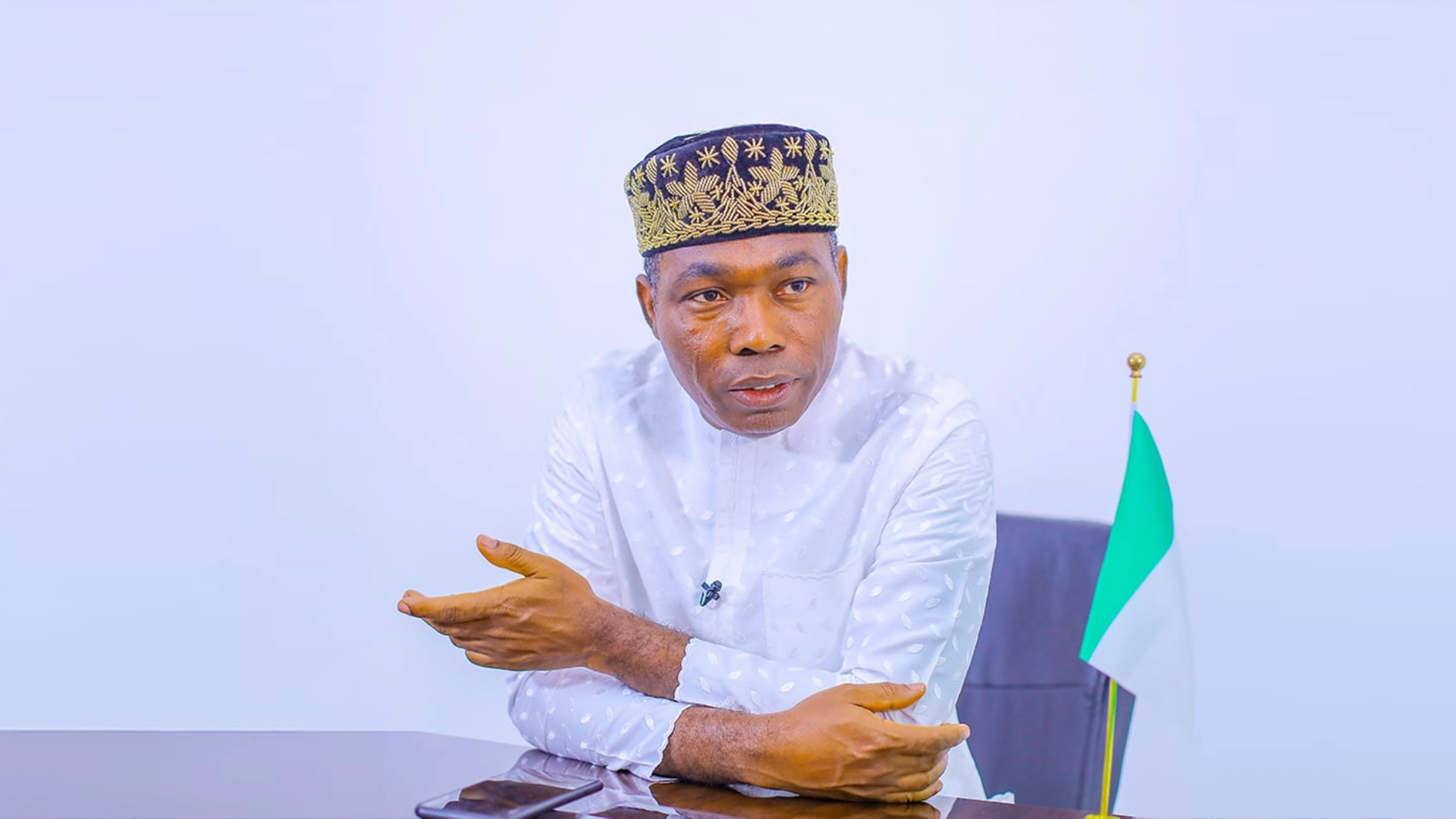
• Faults personality politics, says 2027 debate must be on governance
• Claims Onaiyekan’s stance validates Nigerians’ position
• CSOs urge NASS to withdraw ‘repressive’ bills ahead of 2027 polls
Presidential candidate of the Social Democratic Party (SDP), Adewole Adebayo, has stated that the 2023 general election was a contest against the Independent National Electoral Commission (INEC) rather than political opponents.
Adebayo, who alleged that the outcome of the 2023 election was fraudulent and a charade, urged that the 2027 polls must be free from any form of institutional interference.
The SDP presidential candidate, while speaking during an interview on Channels Television’s Politics Today, monitored by The Guardian, dismissed calls for a coalition of only opposition parties but an alliance of all Nigerians to rescue the country from what he termed a failed administration.
Adebayo said that INEC’s role is simply to collect and disseminate information submitted by political parties and not to vet candidates or act as a gatekeeper.
“The job of INEC is to ensure that the political parties submit the names, collate and send the information to the public. So, it is not like we are looking for employment from INEC. INEC is our servant; it is working for the public.

“What we need to emphasise is not to congratulate candidates; it is to find a government that works for the Nigerian people so that the conversations around this election season are directly related to the developmental challenges around which we want to form a government.
“We need to sound the right issues; otherwise, it will become another enlarged version of Big Brother Africa while you will be discussing personalities and idiosyncrasies, whereas we need to discuss the country, the state of development, the tools available to us as a people, the kind of government we form wrongly, the kind of government we form rightly, and who should be in charge.”
He stated that many National Assembly members had been stripped of their democratic rights, alleging that President Bola Tinubu maintains a “book of life” that determines who can return to office.
“Tinubu has defeated himself because you cannot fail to defeat yourself as a government if the collective summary of your service is that you have defeated the purpose of government,” he argued.
“So, President Tinubu’s three years plus has defeated the essence of government, the purpose of government, the essence of the republic, and he has become a one-man character with a few audience of his own that are following him up and down.
“His Eminence, (John) Cardinal Onaiyekan, is saying things that we, the laymen, had been saying for some time. The president does not see himself as head of state on this election matter; he sees himself as a wrestler ready to wrestle in the mud. That is the attitude of the president.”
MEANWHILE, a coalition of 86 Nigerian, African and international civil society organisations (CSOs) has urged the National Assembly to immediately withdraw what it described as repressive bills currently before the lawmakers, warning that their passage would significantly shrink civic space, undermine constitutional freedom and weaken democratic governance ahead of the 2027 general elections.
The organisations said that the proposed legislation, particularly the Foreign Aids (Regulation, Transparency and Disclosure) Bill, 2026 (SB.1034) and the bill seeking to compel social media platforms to establish physical offices in Nigeria, would hand excessive regulatory powers to the executive arm of government, weaken the independence of civil society organisations and stifle free expression.
They made the call yesterday during a joint media briefing in Abuja, where the coalition was represented by the Executive Director of the Civil Society Legislative Advocacy Centre (CISLAC), Awwal Musa Rafsanjani; Director of the Centre for Democracy and Development (CDD), Dauda Garuba; Chief Executive Officer of Triple C, Lydia Odeh, and Country Director of Amnesty International Nigeria, Isa Sanusi.
The organisations said Nigeria’s civic space was facing one of its gravest threats since the country’s return to democratic rule in 1999, accusing the government of increasingly relying on restrictive laws, arbitrary arrests, politically motivated prosecutions and judicial intimidation to silence dissent.
The coalition equally criticised Sections 12 to 16 of the bill, which prescribe criminal sanctions, fines, imprisonment, suspension or revocation of operational licences and broad rule-making powers for the proposed commission.

