 Follow Us on Google News


 Follow Us on Google Discover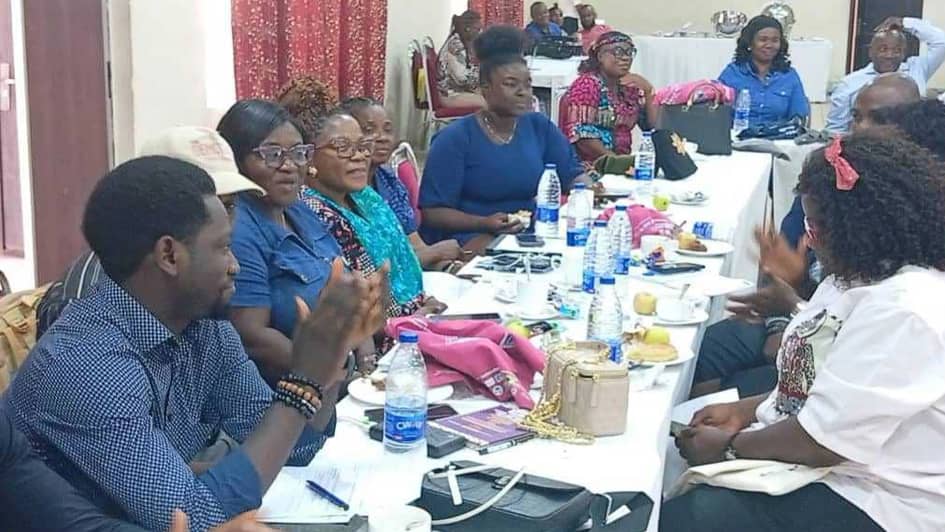
… Says accurate reporting essential to public trust
… Warns against sensationalism, misinformation
… Calls for protection of journalists’ safety, independence
The International Press Centre (IPC), Lagos, has called on journalists in Ondo State to strengthen fact-checking, verification and professional accountability in their reporting as the country prepares for the general elections in 2027.
According to the centre, accurate, balanced and issue-based reporting is essential to protecting public trust, promoting informed participation and strengthening democratic accountability during the electoral process.
The position was stressed during an interface with members of the Nigeria Union of Journalists (NUJ), editors and publishers on professional and democratic accountability in journalism ahead of the polls held in Akure, Ondo State.
The engagement was organised by the IPC under Component Four (Support to Media) of the European Union Support to Democratic Governance in Nigeria (EU-SDGN III) programme.
The IPC Programme Manager, Stella Nwofia, who spoke on behalf of the centre’s Executive Director, Lanre Arogundade, said the engagement was timely as the country approached another election cycle, stressing the need for media professionals to reassess their reporting practices and strengthen their capacity to provide credible, inclusive and public-interest information.

While emphasising that elections goes beyond political campaigns, rallies, candidates and the announcement of results, she maintained that they also involved citizens’ aspirations, concerns and expectations of leadership.
“Beyond reporting political activities and electoral events, the media has a responsibility to facilitate informed public discourse, scrutinise political promises, hold public officials accountable, and ensure that citizens’ voices are heard in the democratic process,” she said.
Nwofia warned that sensationalism, unverified claims, inflammatory rhetoric and the unchecked spread of misinformation and disinformation could undermine public confidence, deepen social divisions and weaken democratic institutions.
She urged journalists to prioritise accuracy, fairness, verification and conflict-sensitive reporting, noting that the standards were critical to building public trust and supporting peaceful, credible and inclusive elections.
The IPC programme manager also called for a shift from event-driven electoral coverage to more substantive, issue-based and citizen-centred journalism that examines campaign promises, tracks governance and addresses the concerns of ordinary Nigerians.
She challenged journalists to give greater attention to issues such as the economy, education, healthcare, security, employment and infrastructure, while ensuring that women, young people, persons with disabilities and other under-represented groups received adequate attention in electoral discourse.
Nwofia further emphasised the need to protect the safety and professional independence of journalists, urging stakeholders to ensure that media practitioners could carry out their legitimate duties without intimidation, harassment or unlawful interference.
She encouraged participants to contribute actively to the discussions, share experiences from their respective media organisations and develop practical approaches to improving electoral reporting across print, broadcast and online platforms.
According to her, the success of the engagement would ultimately be reflected in the quality of stories published, claims verified, citizens’ concerns amplified, accountability questions asked and professional standards upheld in the months leading to the 2027 general elections.
She expressed appreciation to the Ondo State Council of the NUJ for supporting the engagement and thanked the resource persons for accepting the invitation to lead the deliberations.
Nwofia also acknowledged the European Union for providing funding support for the project under which the interface was organised.

