 Follow Us on Google News


 Follow Us on Google Discover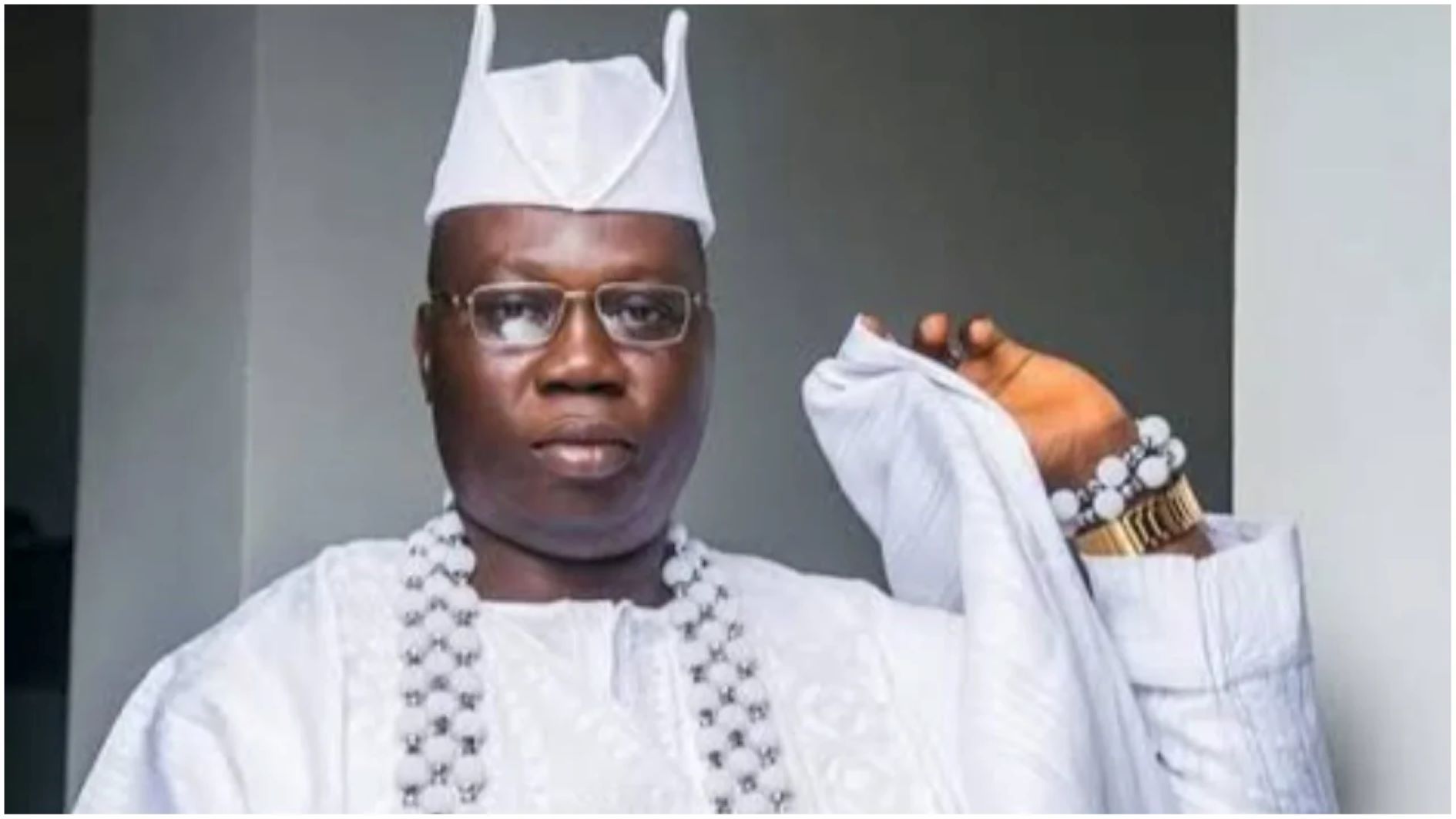
The Aare Ona Kakanfo of Yorubaland, Iba Gani Adams, has called for the strengthening of Yoruba language teaching in universities across the South-West and the reintroduction of History as a core subject in Nigerian schools.
Adams made the call at the 2026 Kakanfo Festival in Ifo, Ogun State, where he said greater emphasis on indigenous language and history would help preserve Nigeria’s cultural heritage while promoting national unity and cohesion.
He said offering Yoruba as a course in state universities across the South-West would provide a structured avenue for preserving and promoting the language and its cultural heritage.
According to him, the teaching of Yoruba and History would also expose students to indigenous perspectives, oral traditions and historical narratives, helping them develop a deeper understanding of Nigeria’s diverse past.
Adams said the approach would strengthen cultural awareness and encourage research into indigenous knowledge systems, while ensuring that Nigeria’s educational system reflects the richness of the country’s heritage.
He said, “Teaching Yoruba language and History is vital for developing sound educational foundations that reflect the richness of Nigeria’s heritage and contribute to the intellectual growth of the people.”

The Aare Ona Kakanfo also highlighted the historical significance of the title, which he said was established in 1530 by Alaafin Ajagbo of the Old Oyo Empire.
He recalled the contributions of previous holders of the title, who defended the Yoruba nation through warfare and strategic leadership, arguing that the office was more than a ceremonial institution.
According to Adams, the Aare Ona Kakanfo remains an important custodian of Yoruba culture and tradition.
He also highlighted initiatives undertaken under his leadership to promote Yoruba culture and support communities.
Adams said the Olokun Festival Foundation supports more than 24 festivals across Yoruba communities, while the Oodua Progressive Union operates in more than 104 countries to promote Yoruba culture and unity among people in the diaspora.
He also said the Oodua People’s Congress had contributed to security efforts across Yorubaland through collaboration with governments and other stakeholders.
According to him, the organisation also runs capacity-building programmes and humanitarian initiatives for vulnerable groups, including people with disabilities and the elderly.
Also speaking at the festival, the Ogun State Commissioner for Culture and Tourism, Sesan Abolaji Fagbayi, represented by the Deputy Director of Tourism, Abdulsalam Olaniyi Abdulrasaq, said cultural preservation could contribute significantly to national unity.
Fagbayi described the festival as a celebration of ancestral strength and identity and reaffirmed the state government’s commitment to supporting cultural festivals.
He said culture remained a dynamic force that influenced identity, behaviour and economic development.
The commissioner also described the Aare Ona Kakanfo as the shield of the Yoruba nation, representing bravery and strategic foresight, qualities he said remained relevant in contemporary society.
He commended the Olokun Festival Foundation for promoting Yoruba culture through more than 24 festivals and described the Kakanfo Festival as an event deserving wider recognition.
Fagbayi urged young Nigerians to embrace their heritage, learn their history and preserve Yoruba traditions with pride and confidence.
The Alagbegise of Agbegise Kingdom, Oba Adesina Ikudaisi Joseph, said the 2026 Kakanfo Festival represented a celebration of cultural pride and a call for the preservation and promotion of Yoruba heritage through education and community engagement.
The monarch said the advocacy for the return of Yoruba language and History to schools was important for sustaining cultural identity, strengthening national unity and enriching Nigeria’s education system.
He commended Adams for what he described as his sustained efforts towards a cultural renaissance in Yorubaland and pledged to continue working with him to promote Yoruba culture.
The festival attracted royal fathers, cultural custodians, members of the Oodua People’s Congress and other enthusiasts of Yoruba culture and tradition.

