 Follow Us on Google News
 Follow Us on Google Discover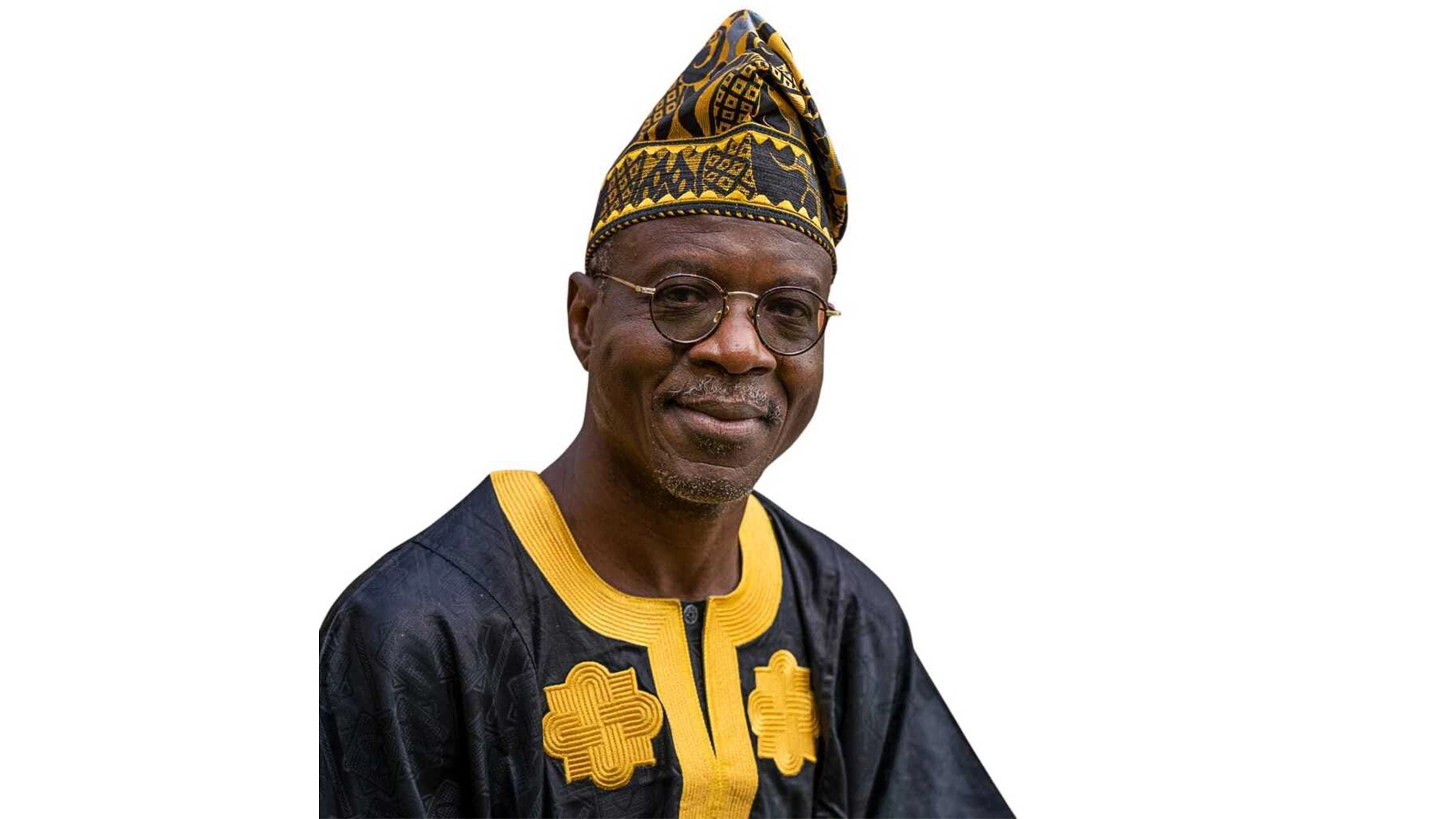
Africa must move beyond colonialism as the dominant explanation for its present-day development challenges and take greater responsibility for building institutions capable of producing knowledge, innovation and prosperity, Professor Olúfẹ́mi Táíwò has said.
Táíwò, a professor at Cornell University and author of How Colonialism Preempted Modernity in Africa, spoke during a Nextier Development Discourse with Patrick Okigbo III, where he examined Africa’s encounter with modernity, the impact of colonial rule and the steps required to achieve sustainable development.
The discourse focused on historical and institutional factors shaping Africa’s development trajectory, amid renewed debates over decolonisation, education, knowledge production and the continent’s ability to build self-sustaining economies.
Táíwò acknowledged that colonialism disrupted important strands of Africa’s political and institutional development but argued that it should not become an excuse for contemporary failures.
He said modernity was already emerging in parts of Africa before colonial rule became firmly established, with Africans experimenting with new forms of education, administration, commerce and constitutional government.
He cited the return of liberated Africans educated in Sierra Leone, particularly the Saro, to Lagos and Abeokuta from the late 1830s as an important channel through which modern ideas were introduced and adapted locally.

According to him, the returnees embraced printing, missionary education and constitutional government while establishing institutions suited to their circumstances.
Táíwò said evidence of Africans building schools, businesses, political organisations and other institutions before and during colonial rule demonstrated that the continent had the capacity to create modern institutions rather than merely receive them from Europe.
He also questioned the tendency to treat “decolonisation” as an end in itself, arguing that greater attention should be paid to what Africa must build to improve the lives of its people.
He said the continent’s real challenge was to develop productive capacity, strengthen institutions and create systems capable of generating knowledge, technology and wealth.
Using the export of raw cashew nuts as an example, Táíwò questioned why African countries should continue exporting agricultural commodities only to import processed products at higher costs.
He pointed to the experiences of countries such as South Korea and Japan, arguing that sustained development requires deliberate investment in knowledge, industry and productive capacity.
“Either we agree that racists are right, Africans are permanent children, or we are adults who just continue to make stupid mistakes,” he said.
Táíwò also cautioned Africans against automatically regarding ideas originating outside the continent as colonial, stressing that Africans have the capacity to assess, adapt or reject ideas on their own terms.
He urged African countries to strengthen schools, technical colleges, trade centres and industries capable of converting knowledge and raw materials into productive output.
He said the continent must therefore focus less on endlessly explaining historical disadvantages and more on building the institutions and capabilities required to overcome them.

