 Get Guardian on Google
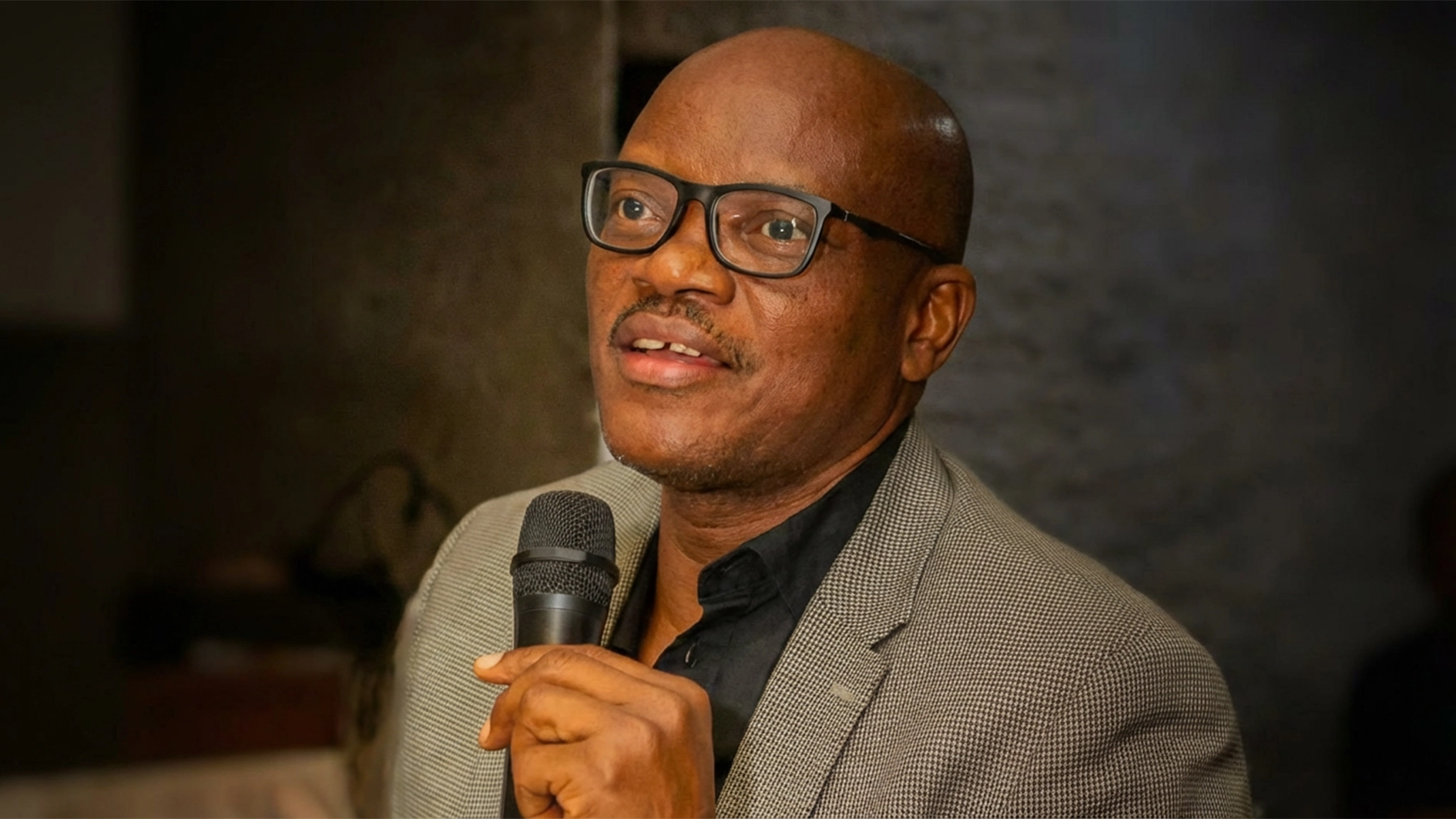
With just nine weeks to the 2027 general elections, veteran journalist and trade unionist, Owei Lakemfa, has expressed doubts about the state police being established before the polls, warning that the proposed reform may not significantly change the country’s electoral policing system.
Lakemfa, who was a guest speaker at the Academic Staff Union of Universities’ (ASUU) Heroes’ Day 2026 in Abuja yesterday, argued that the political dominance of the ruling All Progressives Congress (APC), which controls 32 states, leaves little prospect of fundamental changes to the country’s policing architecture.
Similarly, ASUU President, Prof. Christopher Piwuna, has expressed doubts over the establishment of state police before the 2027 general elections, saying that political leaders are currently preoccupied with electioneering campaigns.
Piwuna said those responsible for driving the proposed reform appear more concerned with political campaigns than putting the necessary structures in place
SPEAKING on the topic, “Insecurities, Incumbency and Elections in Nigeria: The Role of State Police,” he said the proposed state police system was unlikely to become operational before the 2027 elections, except through an unusually accelerated process.
However, he noted that even if state police were established before the elections, the prevailing political imbalance among the parties would undermine its capacity to operate independently and transform election security.
On the role of ASUU in the electoral process, Lakemfa said the union cannot be held responsible for recalling individuals it had not officially nominated.
He further questioned the credibility of some professors reportedly engaged in election duties, citing a Rivers State incident in which an individual who presented as a professor during an election could not be traced to the university where he was said to have worked.
Aligning with Lakemfa, the ASUU president doubted whether the political leadership had sufficient time and commitment to implement the proposal before the elections, particularly as political activities were already gathering momentum.
Piwuna said the lecture was designed to draw attention to the integrity, credibility and transparency of Nigeria’s electoral process, stressing that the role of the police, whether federal or state, would be critical to ensuring free, fair and credible elections.
He expressed concern at the persistent erosion of public trust in the country’s electoral system, noting that the integrity of officials responsible for managing elections had repeatedly come under scrutiny.
According to him, ASUU considered the discussion particularly important as the country prepares for another round of elections, insisting that Nigerians must interrogate the factors undermining electoral credibility and demand greater transparency from institutions responsible for conducting elections.