 Follow Us on Google News


 Follow Us on Google Discover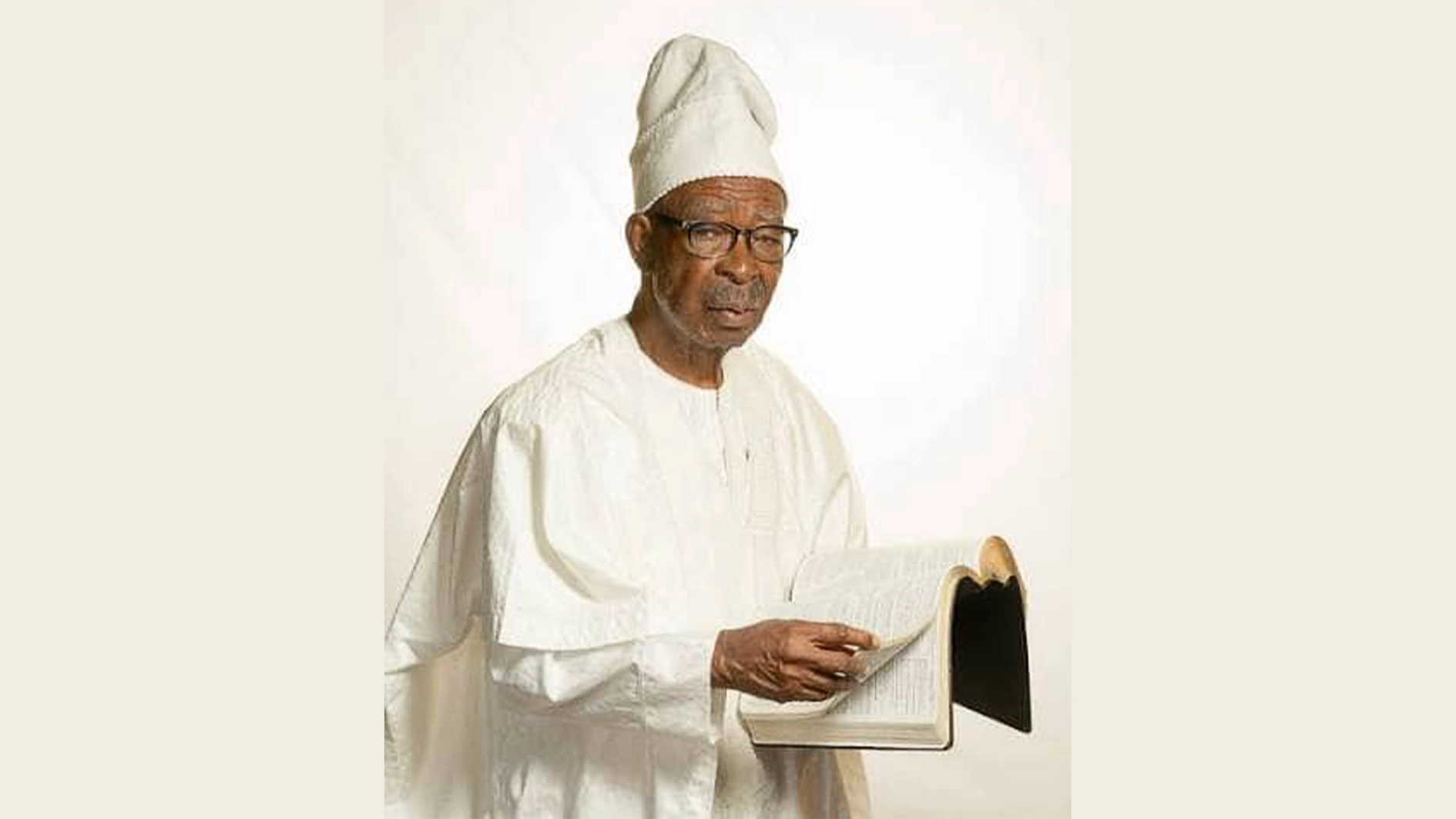
The Chairman of the Board of Trustees of the Full Gospel Business Men’s Fellowship International (FGBMFI), Nigeria, Pa. Dr. Olusola Ajolore, has called for renewed commitment to national development, responsible leadership, and collective responsibility among Nigerians.
Ajolore, who spoke during a media engagement marking his 100th birthday anniversary, said Nigeria remains a nation worth saving, serving, and believing in, despite the numerous challenges confronting it.
The centenarian, who has witnessed Nigeria’s transition from colonial rule to independence, the Civil War, military administrations, and successive democratic governments, said his experiences have strengthened his conviction in the country’s vast potential.
He urged both leaders and citizens to move beyond a mindset of what the country can provide for them and instead focus on what they can contribute toward building a better Nigeria.
According to him, Nigeria’s progress in education, business, science, technology, medicine, agriculture, and the professions demonstrates the capacity of its people, even though the nation has yet to fully translate its human and material resources into the level of development it deserves.
“Government has a responsibility. Leaders have a responsibility. Businesses, communities and citizens also have responsibilities,” he said.

Ajolore stressed that insecurity should not be viewed solely as a military or policing challenge, arguing that it was closely linked to economic development, agriculture, food security and youth empowerment.
He said farmers could not produce efficiently when they were unable to safely access their farms, while businesses could not create jobs in an environment of insecurity.
The FGBMFI trustee called for improved intelligence gathering, effective security institutions, justice, community cooperation and accountability, urging authorities to identify and prosecute those who finance or facilitate violence through lawful processes.
He also advocated greater investment in agriculture, describing it as a modern economic sector rather than a traditional occupation.
“Farmers need security, finance, technology, infrastructure, storage, processing and access to markets,” he said, urging young Nigerians to explore opportunities across the agricultural value chain.
Ajolore declared that “agricultural security is part of national security”, noting that securing farmers and strengthening agricultural production would improve food security, create employment and boost the economy.
On education, the centenarian, who is a former university don, said the country needed an education system that produced not only certificate holders but competent, innovative and responsible citizens.
He called for greater emphasis on technology, entrepreneurship, technical and vocational education, agriculture and manufacturing, stressing that education should provide young Nigerians with practical pathways into the productive economy.
Ajolore stressed that insecurity should not be viewed solely as a military or policing challenge, noting that it is closely tied to economic development, agriculture, food security, and youth empowerment.
He observed that farmers cannot achieve optimal productivity if they are unable to safely access their farms, just as businesses cannot generate employment in an insecure environment.
The FGBMFI trustee called for strengthened intelligence gathering, more effective security institutions, justice delivery, community collaboration, and accountability. He also urged authorities to identify and prosecute, through due legal processes, those who finance or facilitate violence.
He further advocated increased investment in agriculture, describing it as a modern economic sector rather than a traditional occupation.
“Farmers need security, finance, technology, infrastructure, storage, processing and access to markets,” he said, while encouraging young Nigerians to explore opportunities across the agricultural value chain.
Ajolore stated that “agricultural security is part of national security,” noting that safeguarding farmers and strengthening agricultural production would enhance food security, create employment, and stimulate economic growth.
On education, the centenarian and former university lecturer said Nigeria requires an education system that produces not only certificate holders but also competent, innovative, and responsible citizens.
He called for greater emphasis on technology, entrepreneurship, technical and vocational education, agriculture, and manufacturing, stressing that education should equip young Nigerians with practical pathways into the productive economy.
“Education is one of our strongest long-term national security strategies,” he said.
Ajolore further urged older Nigerians to accept their responsibility for creating an enabling environment for younger generations, rather than merely criticising youths for their challenges.
He said young Nigerians needed quality education, skills and opportunities to enable them to deploy their energy and creativity productively.
On leadership, the centenarian maintained that effective governance required more than laws and policies, stressing the importance of integrity, discipline, responsibility and commitment to the common good.
“Leadership is service,” he declared, adding that leaders must be prepared to place national interest above personal considerations.
Reflecting on his Christian faith, Ajolore said it had taught him that life was a gift, leadership a responsibility and service greater than self-interest.
He, however, emphasised the need to respect Nigeria’s pluralism, saying citizens of different faiths and backgrounds should be able to live and worship freely.
He identified human dignity, integrity, justice, hard work, service and concern for future generations as values that Nigerians could collectively embrace irrespective of religious or other differences.
Reflecting on his century-long journey, Ajolore said longevity should be measured not merely by the number of years lived but by the contributions made to society.
He advised Nigerians, particularly younger people, to live purposeful lives, acquire knowledge, develop useful skills, maintain integrity, use technology positively and create value.
At the same time, he challenged the older generation to examine the quality of the country they were handing over to the youth.
Ajolore also urged older Nigerians to acknowledge their responsibility in creating an enabling environment for younger generations, rather than merely criticising them for prevailing challenges.
He said young Nigerians require quality education, skills, and opportunities to channel their energy and creativity productively.
On leadership, the centenarian maintained that effective governance requires more than laws and policies, emphasising integrity, discipline, accountability, and commitment to the common good.
“Leadership is service,” he declared, adding that leaders must consistently place national interest above personal considerations.
Reflecting on his Christian faith, Ajolore said it has taught him that life is a gift, leadership a responsibility, and service greater than self-interest.
He, however, emphasised the importance of respecting Nigeria’s pluralism, noting that citizens of diverse faiths and backgrounds should be able to live and worship freely.
He identified human dignity, integrity, justice, hard work, service, and concern for future generations as values that Nigerians can collectively uphold, regardless of religious or other differences.
Reflecting on his century-long journey, Ajolore said longevity should be measured not merely by years lived, but by meaningful contributions to society.
He advised Nigerians, particularly young people, to live purposeful lives, acquire knowledge, develop relevant skills, uphold integrity, use technology responsibly, and create value.
He also challenged the older generation to reflect on the quality of the nation they are bequeathing to the youth.
“If I could leave one message with Nigeria at this stage of my life, it would be this: Nigeria has enormous potential, but potential will not build a nation. People must,” he said.
Ajolore urged Nigerians to secure their communities, strengthen agriculture and food security, invest in young people, encourage productive enterprise and uphold responsible leadership.
Ajolore urged Nigerians to strengthen community security, invest in agriculture and food systems, empower young people, promote productive enterprise, and uphold responsible leadership.
He said: “Let us build a Nigeria where the farmer can farm without fear, where young people can receive quality education and productive opportunity, where businesses can operate securely, where leadership is understood as service, and where every citizen can live with dignity and hope.
“Nigeria is worth saving. Nigeria is worth serving. And Nigeria is worth believing in.”
His call comes amid continuing national debates on security, economic opportunity, youth development and the need for stronger institutions and responsible leadership.
His remarks come amid ongoing national discourse on security, economic opportunity, youth development, and the need for stronger institutions and accountable leadership.

