 Follow Us on Google News


 Follow Us on Google Discover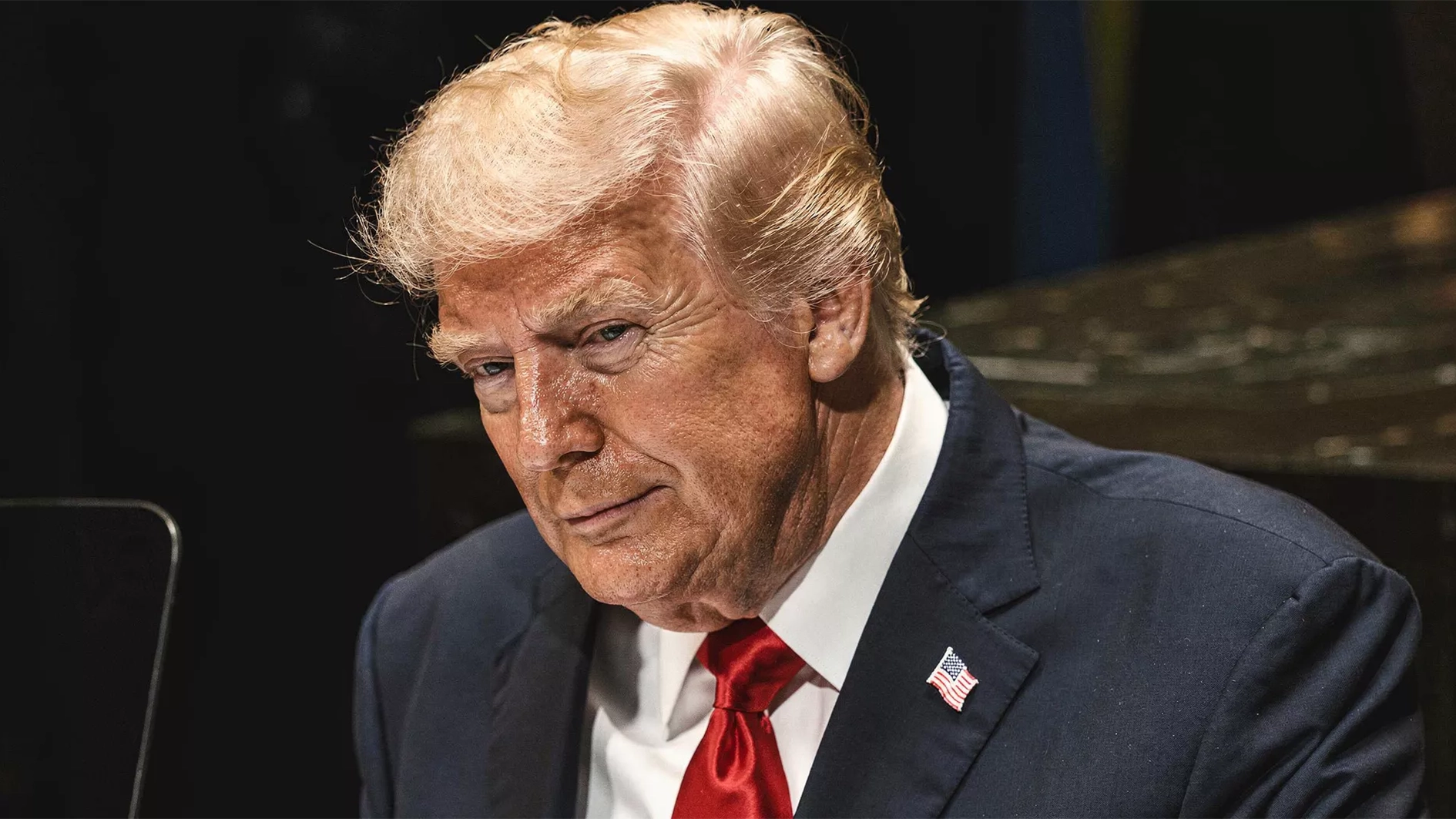
Hope of cheaper petrol in the coming weeks has suffered a setback as Brent crude prices, the international benchmark, surged above $100 a barrel, with United States President, Donald Trump saying energy prices elevated by the Iran war are unlikely to fall until after the November midterm elections.
Trump, who spoke yesterday before departing for Texas for the Republican Party’s midterm convention, said oil prices would begin to tumble “right after the election,” even as renewed hostilities between Washington and Tehran pushed crude prices higher.
The development could prolong pressure on Nigeria’s petrol market, where the cost of importing or replacing refined products has risen alongside international crude prices and freight charges.
At 8:35 p.m West Africa Time on Wednesday, Brent crude was trading at $101.20 a barrel, gaining $3.31, while West Texas Intermediate (WTI) stood at $96.29, also up $3.31 by 3.50 per cent.
Brent’s return above the $100 mark, its first time since July, came amid renewed attacks involving oil infrastructure and vessels in the Middle East, heightening concerns over crude supply and the security of international energy routes.
Both benchmarks have gained more than 60 per cent since the beginning of the year, while their advances this month have reached about 10 per cent.

For Nigeria, where petrol prices remain exposed to movements in crude and refined-product costs, the latest surge in Brent complicates expectations that pump prices could ease in the near term.
The renewed pressure is already feeding into Nigeria’s downstream market as petrol landing cost has risen to N1,314.67 per litre while the cost of diesel stood at N1,850.66 per litre.
Dangote Refinery currently sells petrol at N1,265 per litre at the gantry, but may review its price if the sustained increase in crude benchmarks continues to raise petroleum-product replacement costs.
Freight and shipping costs have also risen, adding to the replacement cost pressure confronting suppliers.
The situation is particularly significant around the Strait of Hormuz, where renewed military activity has raised fears of further restrictions on the movement of crude and petroleum products.
Trump said the war against Iran, now in its seventh month, would end “immediately after the election”, but gave no indication of an earlier resolution that could ease the pressure on global energy markets.

