 Follow Us on Google News


 Follow Us on Google Discover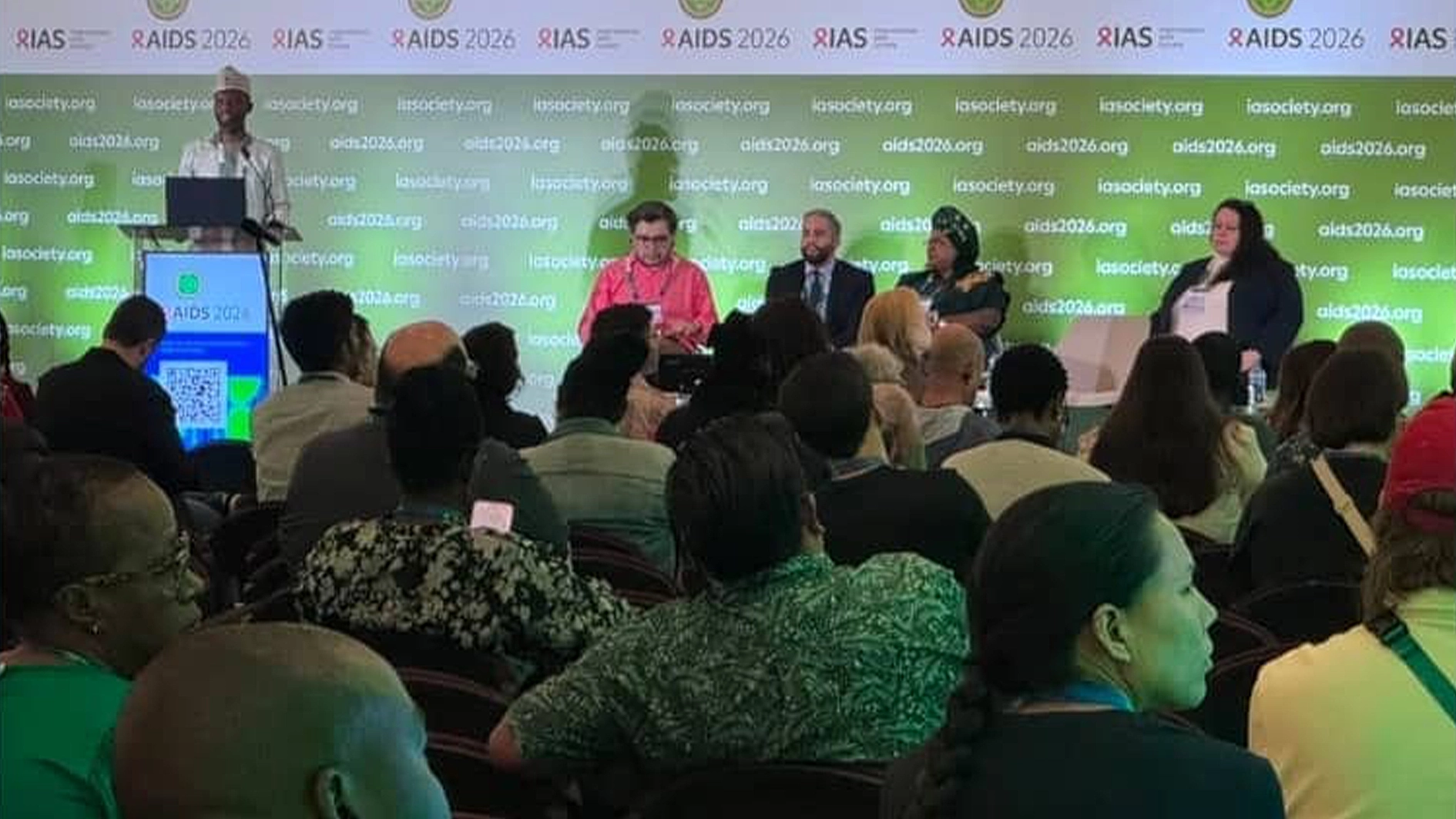
A Nigerian study has demonstrated that a mental health programme designed together with young people living with HIV can substantially improve their retention in care, treatment adherence, viral suppression and psychological well-being, addressing one of the most consequential and neglected problems in HIV medicine.
The findings were presented by Dr. AbdulMuminu Isah, Principal Investigator of the Person-Centred HIV Research Team (PeCHIVReT) at the University of Nigeria, Nsukka, at the 26th International AIDS Conference (AIDS 2026) in Rio de Janeiro, Brazil, which ran from 26 to 31 July 2026. The study, titled “Effectiveness and implementation outcomes of participatory co-designed integrated mental health services for adolescents and young people living with HIV in Nigeria: a mixed-methods evaluation,” was delivered during a peer-reviewed oral abstract session, “Minds Matter: Mental Health in HIV Treatment and Prevention.”
The importance of the research rests on a well-documented but under-addressed link. Mental health conditions, including depression, anxiety, stigma and isolation, are common among adolescents and young people living with HIV, and they directly undermine the ability to take medication consistently, attend appointments and remain in care. When young people disengage, the consequences extend to viral suppression, onward transmission and survival. Yet in many low-resource settings, mental health support remains almost entirely absent from HIV services, in part because programmes designed by outside experts see little uptake. Dr. Isah’s team took the opposite approach, co-designing the model with the young people it was meant to serve, alongside clinicians and community stakeholders.
Evaluated across eight Nigerian HIV clinics over nine months among 412 participants with a median age of 19, the model produced improvement in every outcome measured. At the outset, more than a third of participants screened positive for moderate-to-severe depression and a similar proportion for anxiety. Over the following nine months, anxiety fell from 34.5 per cent to 18.4 per cent, and retention in care rose from 84.7 per cent to 96.0 per cent, the single largest effect, with adherence and viral suppression also improving. All five outcomes remained statistically significant after adjustment. The model achieved 93.7 per cent screening uptake and 91.5 per cent provider fidelity, and both young people and providers rated it highly for acceptability.
What makes the findings significant for health systems well beyond Nigeria is how they were achieved: through task-shifting to trained youth peer researchers, without recruiting scarce and expensive specialist mental health staff. This offers a realistic path to integrating mental health care in the many countries where psychiatrists and psychologists are in critically short supply. On that basis, the researchers recommended that participatory mental health integration be written into national standards for adolescent HIV services and financed as part of routine care, a call with direct implications for health policy across sub-Saharan Africa. The team was candid about the study’s limits, noting its single-arm, before-and-after design, its nine-month follow-up and lower-than-hoped engagement with a digital self-help component.
Dr. Isah is a clinical pharmacist and infectious-disease researcher at the University of Nigeria. He is the National Secretary of the Clinical Pharmacists Association of Nigeria (CPAN) and Technical Adviser of the African Society of Clinical Pharmacists (ASOCLIP). He co-founded and leads PeCHIVReT, a University of Nigeria research group within the Department of Clinical Pharmacy and Pharmacy Management with a growing international membership, and has built a body of work centred on person-centred HIV care. The study was co-authored by researchers including Chibueze Anosike and other members of PeCHIVReT: Ezinwanne Ugochukwu, Amauche Ngige, Chukwuemeka Nwachuya, Gabriel Ezenri, Jennifer Onyehalu, Charles Idabor, Mustapha Abubakar and Blessing Ukoha-Kalu.


