 Follow Us on Google News
 Follow Us on Google Discover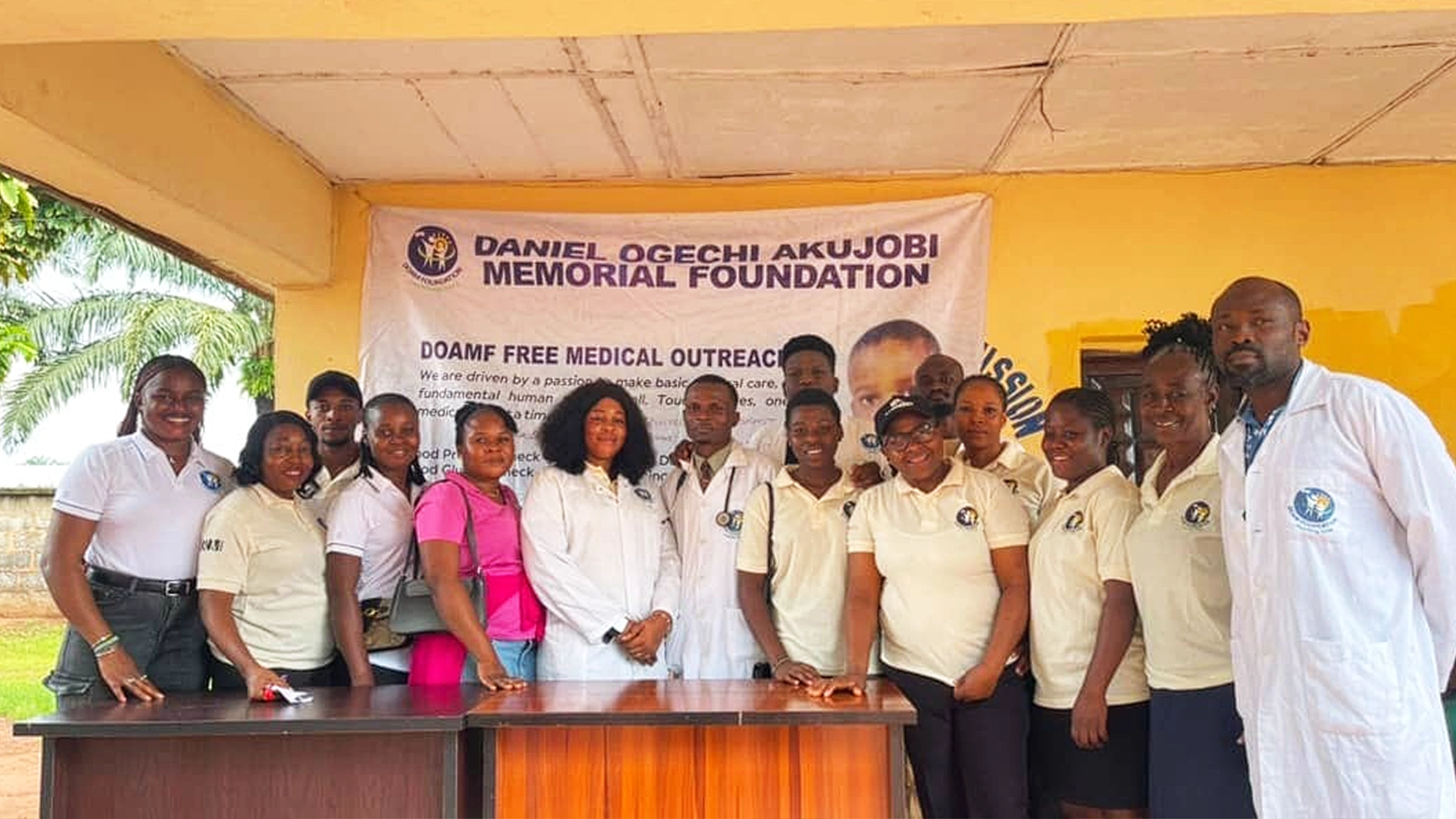
As part of efforts aimed at improving health outcomes for underserved populations, the Daniel Ogechi Akujobi Memorial (DOAM) Foundation recently organised three-day comprehensive free medical outreach in the Amaimo and Iyinshi communities of Imo State.
Executed from August 19 to 21, 2026, the targeted intervention commemorated World Malaria Day and underscored the Foundation’s institutional commitment to expanding access to equitable, quality, and affordable healthcare.
With over seven hundred beneficiaries, the Program Manager, Catherine Olukotun disclosed, “the DOAM Foundation remains firmly committed to advancing United Nations Sustainable Development Goal 3 on Good Health and Well-being. Our operational focus balances immediate therapeutic care with long-term preventative advocacy, driven by community-level sensitisation and comprehensive health literacy.”
The localised outreach was designed to decentralise essential primary healthcare services, mitigating the financial barriers that structurally impede vulnerable individuals and low-income families from seeking timely clinical care.
Throughout the three-day event, a multidisciplinary team of frontline medical personnel provided critical clinical services, including diagnostic health screenings, vital signs assessments, structured medical consultations, and the dispensing of essential medications at zero cost to the beneficiaries.
The clinical framework allowed community members to engage directly with qualified healthcare professionals, receiving individualised medical advice, case management, and tailored treatment pathways.

Adopting a holistic approach to public health, the intervention integrated curative care with robust preventive healthcare frameworks and Behavioral Change Communication (BCC).
Beneficiaries participated in health education sessions emphasising the importance of routine clinical check-ups, early symptom recognition, and the adoption of sustainable healthy lifestyle choices to mitigate chronic disease burdens.
The outreach served as a vital community engagement mechanism, allowing the Foundation to conduct localised needs assessments and gather qualitative data on the systemic healthcare challenges confronting grassroots populations.
By deploying localised health services, the Foundation continues to actively dismantle barriers to health equity while fostering resilient, health-literate communities.
The seamless execution of project highlights the vital role of multi-stakeholder collaboration among humanitarian actors, clinical professionals, local community leadership, volunteers, and funding partners in addressing rural healthcare deficits.
In conclusion, Olutokun added the Foundation has scaled its social impact initiatives to reach over 98,000 individuals across the country, driving sustainable development through integrated health and educational interventions.

