 Follow Us on Google News



 Follow Us on Google Discover
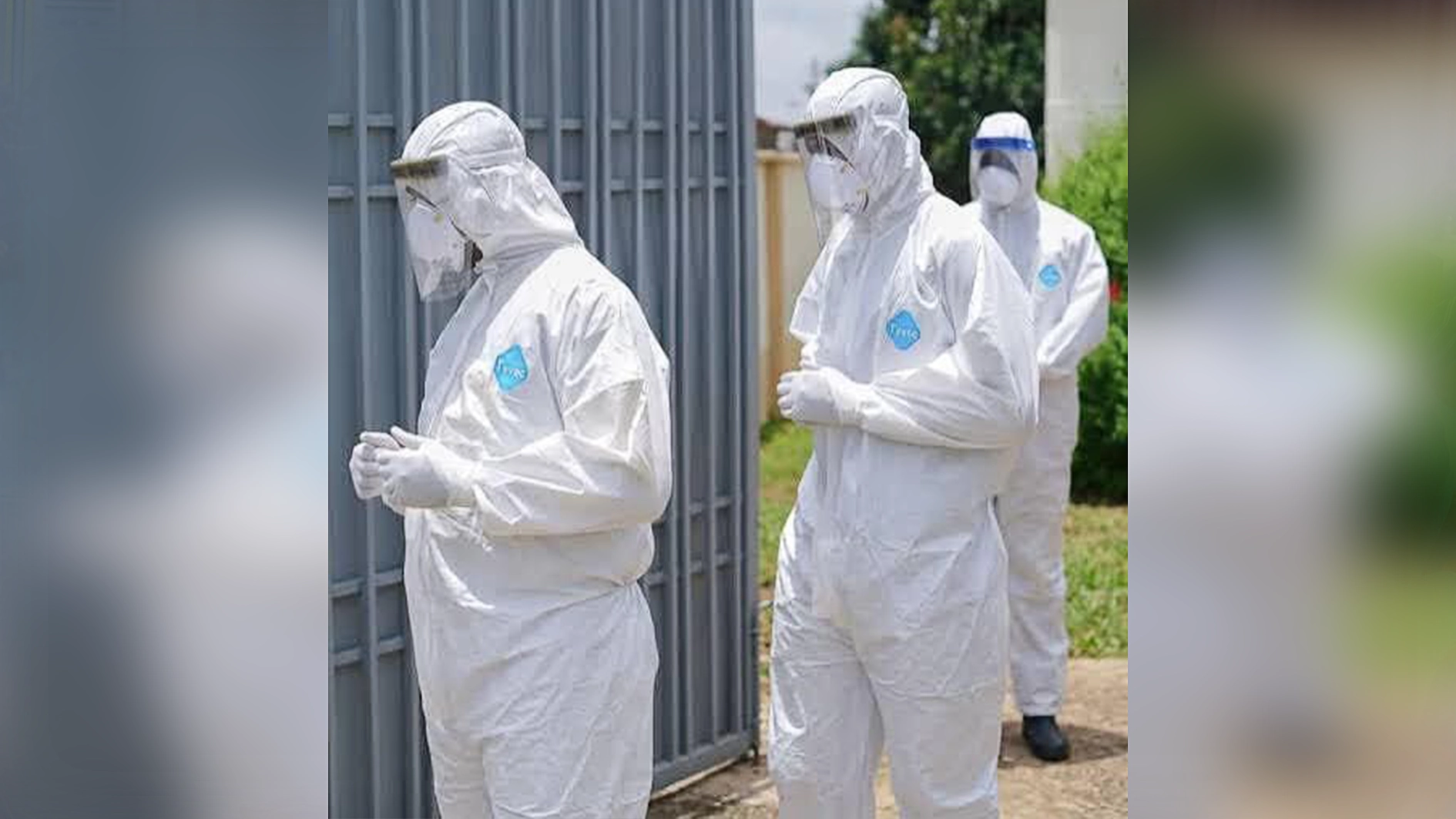
The President of the Prime Environment Cleaners Network Association (PECNA), Barr. Yakubu Mohammed Yazeed, has criticised the neglect of professional cleaners in Nigeria’s public health preparedness, warning that inadequate attention to environmental hygiene could undermine efforts to prevent infectious disease outbreaks.
Yazeed, reacting to reports of an imported Ebola case in Abuja, challenged the Federal Government and relevant regulatory agencies to demonstrate the effectiveness of the country’s disease prevention measures, particularly in surveillance, infection control and the protection of frontline workers.
“How many disease outbreaks must Nigeria experience before we take cleaning and environmental hygiene seriously?” he asked in a statement issued in Abuja on Wednesday.
“Government continues to announce preparedness measures, but where is the evidence of implementation, sustained surveillance and protection of frontline workers?”
He said Nigerians deserved transparency regarding border screening, early detection systems and the utilisation of emergency preparedness funds, stressing that investigations should establish the circumstances surrounding the reported case.
The PECNA president argued that professional cleaners remained essential to public health protection because of their responsibilities in maintaining hygienic environments in hospitals, schools, airports, offices and residential facilities.
“We cannot claim to prioritise public health while overlooking the professionals responsible for maintaining hygienic environments in our hospitals, schools, airports, offices and homes,” he said.

“Cleanliness must become a culture, not an emergency response. Prevention begins with the standards we maintain every day.”
Yazeed disclosed that PECNA had recently partnered with the Environmental Health Council of Nigeria (EHCON) to train more than 200 cleaning professionals on appropriate cleaning and disinfection practices for homes and other facilities to prevent infectious diseases of public health importance.
He called on EHCON, the Nigeria Centre for Disease Control and Prevention (NCDC), the Federal Ministries of Health and Environment, and relevant state authorities to move beyond policy announcements and establish measurable programmes for professional training, cleaning standards, occupational safety and infection prevention.
He also questioned the availability of enforceable standards for cleaning contractors and structured training programmes for personnel working in high-risk facilities.
“Where are the enforceable standards for cleaning contractors? Where are the structured training programmes for cleaners in high-risk facilities? Who ensures that the people protecting our environments are themselves protected?” he asked.
The association urged cleaning companies to strengthen their standard operating procedures, retrain personnel, educate clients and adopt appropriate risk-based cleaning and disinfection practices.
However, Yazeed cautioned that suspected Ebola contamination should be handled only by authorised, specially trained response personnel.
PECNA also called for greater transparency regarding Nigeria’s Ebola preparedness, accountability for preventive measures and emergency funding, stronger enforcement of environmental health standards, and the formal inclusion of professional cleaning associations in national infection prevention programmes.
He said PECNA had continued to mobilise cleaning professionals, organise training and engage industry stakeholders and regulators because of the importance of environmental hygiene to public health.
“Government must now match these efforts with decisive action,” he said.
“Nigeria cannot continue to celebrate emergency responses while neglecting everyday prevention. A nation that fails to take cleaning seriously is compromising an essential part of its public health protection.”

