 Follow Us on Google News


 Follow Us on Google Discover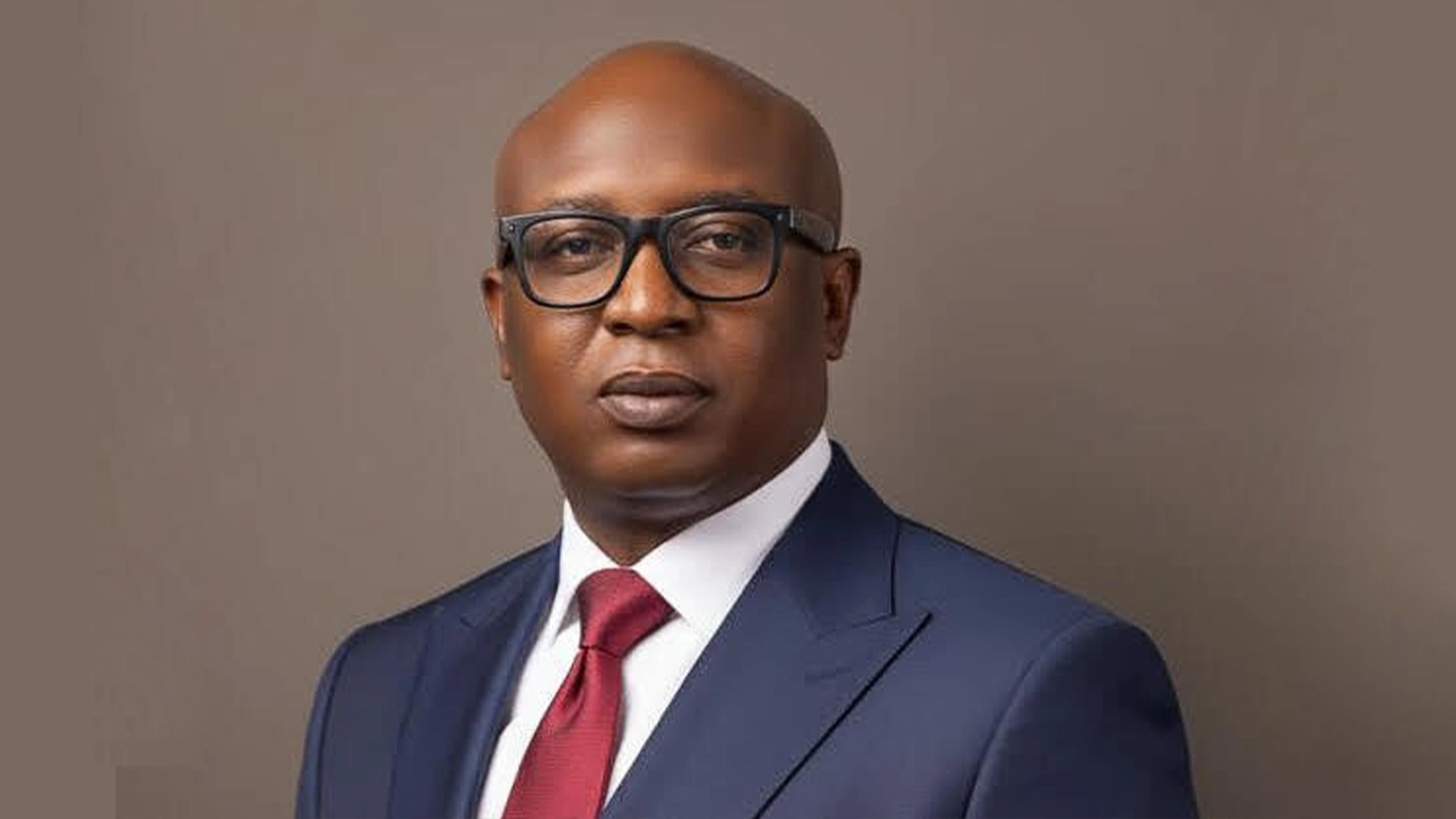
A technology and financial markets expert, Tunji David, has warned that Nigeria could lose a significant share of the wealth generated by its rapidly growing fintech sector if leading technology companies continue to pursue stock market listings abroad.
David, who spoke amid reports that fintech giant OPay is considering an Initial Public Offering (IPO) in the United States, said while Nigeria has become a fertile ground for building successful technology companies, the country risks missing out on the broader wealth creation opportunities associated with ownership and capital market participation.
According to him, companies such as OPay, Flutterwave, Paystack and Moniepoint have achieved remarkable growth by serving millions of Nigerian customers and businesses, but much of the financial gains from future public listings may accrue to foreign investors if the firms choose overseas exchanges.
He noted that Nigeria possesses many of the ingredients required to produce globally competitive technology firms, including a large population, a youthful workforce and increasing digital adoption.
He said: “These companies widen Nigeria’s GDP on paper through transaction volumes, employment, and tech exports. But they do not widen the capital base of the Nigerian Stock Exchange. The NSE remains under N170 trillion in market cap, dominated by banks, telecoms, and consumer goods.
“A single fintech unicorn listing could add N5 to N10 trillion overnight and force institutional investors, pension funds, and retail traders to engage with tech equities. Without that, Nigeria’s stock market stays disconnected from the fastest-growing part of its economy”.

David argued that foreign listings often shift valuation, trading activity and investment opportunities to international markets, limiting the ability of local investors to participate in the growth of companies that emerged from Nigeria’s economy.
He said such a trend could also slow efforts to deepen the Nigerian capital market, which remains largely dominated by banking, telecommunications and consumer goods firms despite the rapid expansion of the technology sector.
The expert explained that major fintech listings on the Nigerian Exchange could attract new categories of investors, encourage greater participation by retail traders and institutional funds, and create a stronger market for technology equities.
According to him, the attraction of overseas listings is understandable, given access to deeper pools of capital, higher valuations, hard-currency fundraising opportunities and more established regulatory frameworks for high-growth technology firms.
He, however, stressed that Nigeria must strengthen its domestic capital market if it hopes to retain a greater share of the wealth created by its technology ecosystem.
David called for reforms aimed at making the local market more attractive to innovative companies, including more flexible listing requirements for technology firms, enhanced market liquidity and policies that encourage greater investment in venture-backed businesses.
He also advocated dual-listing arrangements that would enable companies to raise capital both locally and internationally while maintaining a strong presence on the Nigerian Exchange.
The analyst urged policymakers to explore ways of increasing pension fund participation in technology investments, arguing that stronger domestic institutional backing could help provide viable alternatives to exclusive foreign listings.
“If Nigeria’s first trillion-dollar company lists only abroad, it becomes a proof point for founders and a payday for foreign VCs. If it lists at home, even partially, it becomes infrastructure for the next hundred startups.
“The GDP impact of a fintech processing N10 trillion annually is real. But GDP without capital market depth is just activity, not ownership. For ordinary Nigerians to benefit, they need a seat at the ownership table, not just the customer table. Nigeria has built the customer base. The next decade will show whether it can build the owners too”, he said.

