
 Get Guardian on Google
Senate gives pending states till Nov 15 to take stance
House of Representatives has transmitted the State Police Bill to President Bola Tinubu for assent, following its approval by 29 of the 36 State Houses of Assembly.
Deputy Speaker of the House, Benjamin Kalu, disclosed this during yesterday’s plenary, describing the development as a major step towards decentralising policing in Nigeria.
Kalu expressed satisfaction with the endorsement by more than two-thirds of the state legislatures, noting that the approval had brought the proposed reform closer to implementation.
He said the Clerk to the National Assembly had forwarded the bill to the President for assent.
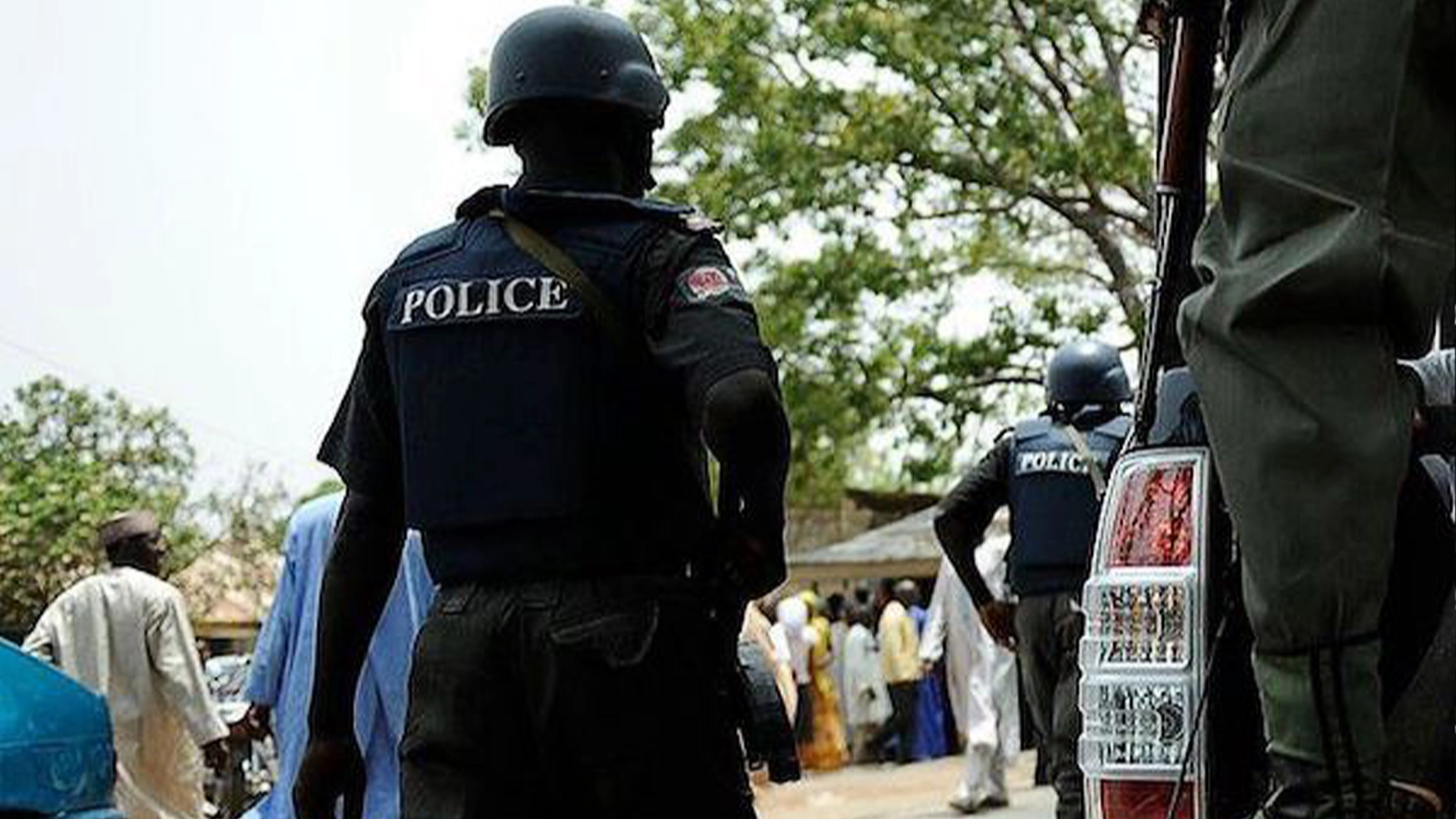
The development marks a significant milestone in efforts to amend the Constitution to allow state governments to establish and manage their own police forces alongside the Nigeria Police Force.

The proposed reform seeks to address concerns about the country’s centralised policing structure, which critics say limits the ability of security agencies to respond effectively to local security challenges.
Under the proposed arrangement, state governments will have greater responsibility for maintaining law and order within their jurisdictions, while the Federal Government will retain the Nigeria Police Force.
Supporters of state police argue that decentralising the system will improve intelligence gathering and strengthen community-based security operations.
Meanwhile, the Senate Leader Opeyemi Bamidele has disclosed that thirty of the country’s 36 State Houses of Assembly have approved the amendment, six more than the 24 required. The six legislatures are Kano, Oyo, Abia, Benue, Cross River and Niger.
Senate Leader Opeyemi Bamidele told lawmakers that the National Assembly had completed its part of the process and transmitted the constitutional alteration to all 36 state legislatures.
The Constitution requires approval by at least two-thirds of the State Houses of Assembly before such an alteration can go to the President for assent.
With that bar cleared, the proposal now sits at its final stages. Even so, the process is not yet closed.
The Clerk to the National Assembly wrote to the state assemblies on October 15, giving them until November 15, 2026, to communicate their decisions.
Bamidele said the goal is to let every legislature formally record its stance, whether in support or opposition, so that the outcome reflects the voice of all 36 states and not only the majority.
Of the six outstanding assemblies, only Kano has signalled movement. Deputy Senate President Jibrin Barau told senators the state had already dispatched its response, which was expected to reach the National Assembly shortly.
The amendment would give state governments the legal framework to establish and operate their own police services, ending the exclusive hold of a centralised force on policing.