 Follow Us on Google News



 Follow Us on Google Discover
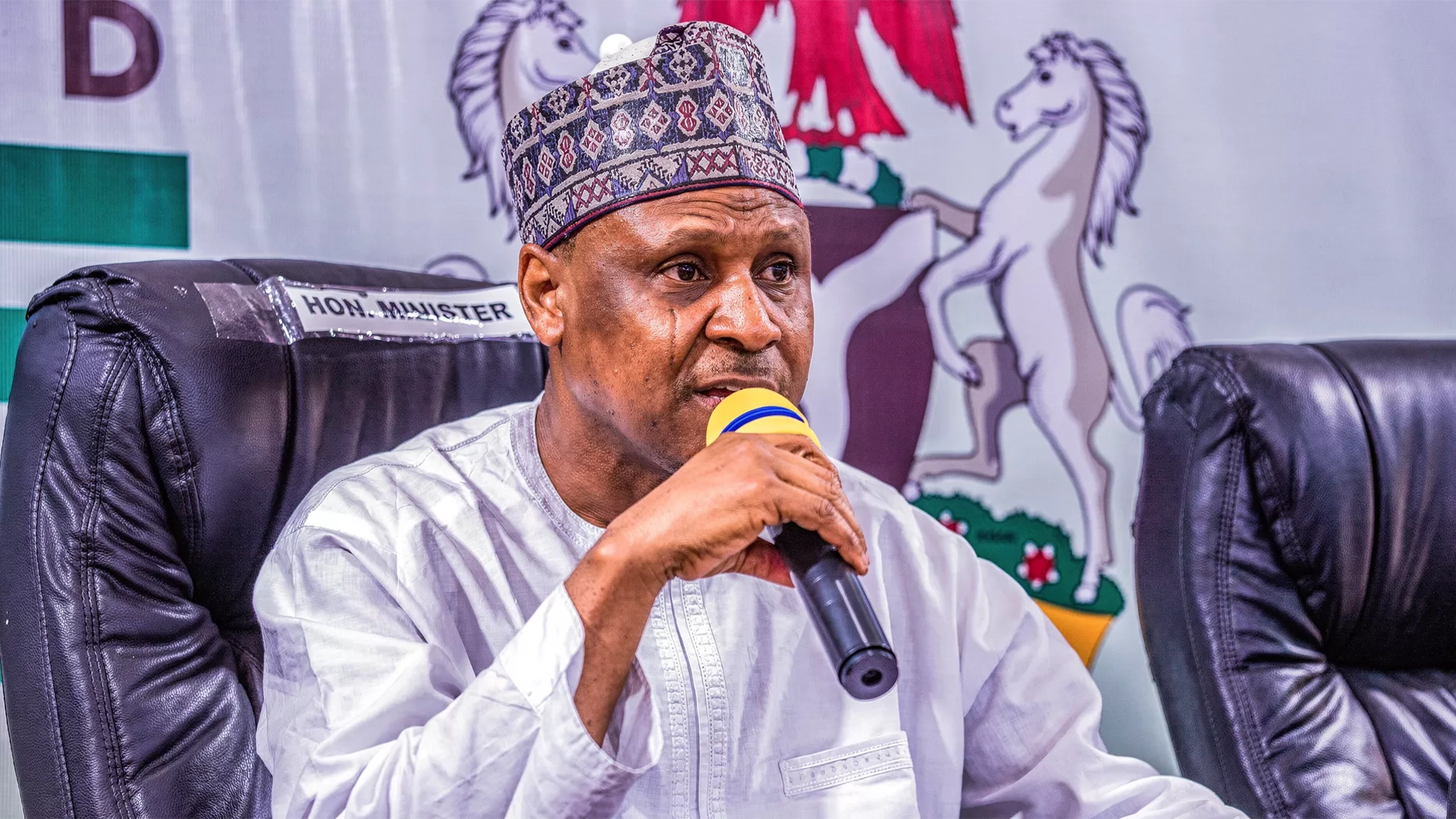
Federal Government has directed all government agencies to submit their audited financial statements for publication in the first quarter of 2027, in a move that could intensify scrutiny of public spending and expose financial management failures across the public sector.
The Minister of Finance and Coordinating Minister of the Economy, Mr Taiwo Oyedele, announced the directive at the 56th Annual Accountants’ Conference of the Institute of Chartered Accountants of Nigeria (ICAN) in Abuja.
The directive puts government agencies under pressure to make their financial records available for public scrutiny, although questions remain over how compliance will be enforced, whether agencies with outstanding audits will face sanctions and what consequences will follow the discovery of financial irregularities.
Nigeria currently has a challenge of delayed audit reports. As of today, the last audit report submitted to the National Assembly was for 2024, and it was submitted only in July this year, with the 2025 report still outstanding.
Oyedele stressed the need to make government financial reports and policy statements routine, accessible and subject to public scrutiny, drawing a comparison with the regularity with which private individuals receive their financial statements.
The directive, if implemented effectively, could strengthen public oversight of ministries, departments and agencies (MDAs), where the timely publication of audited accounts is essential to determining how appropriated funds are spent and whether public institutions comply with financial regulations.

However, experts say publication alone may not guarantee accountability. The effectiveness of the initiative will depend on whether the accounts are independently audited, published in accessible formats, scrutinised by the relevant oversight institutions and followed by corrective action where breaches are established.
At the conference, themed “Beyond Numbers: Strengthening the Economy, Securing the Nation,” ICAN President and Chairman of Council, Queensley Seghosime, said public confidence in government finances depended on the integrity of financial reporting and the responsible management of public resources.
She argued that accountability should not be treated merely as a regulatory obligation but as the foundation of public trust in government institutions.
According to her, trust in public finances is built through credible reports, independent audits and decisions that demonstrate integrity.
The ICAN president also called for stronger institutions capable of sustaining sound economic policies beyond political cycles, particularly as Nigeria approaches the 2027 general elections.
In his speech, the special guest of honour, Dr Zacch Adedeji, charged ICAN to get more involved in policy formulation and not just limit itself to regulatory functions.
He commended the institute’s contributions to Nigeria’s socio-economic development.
Adedeji, who is also the Executive Chairman of the Nigeria Revenue Service (NRS), charged members of the institute to ensure professionalism in their work.
The conference brought together about 12,000 delegates, both in person and virtually, according to the institute, which has more than 72,000 members.

