 Get Guardian on Google
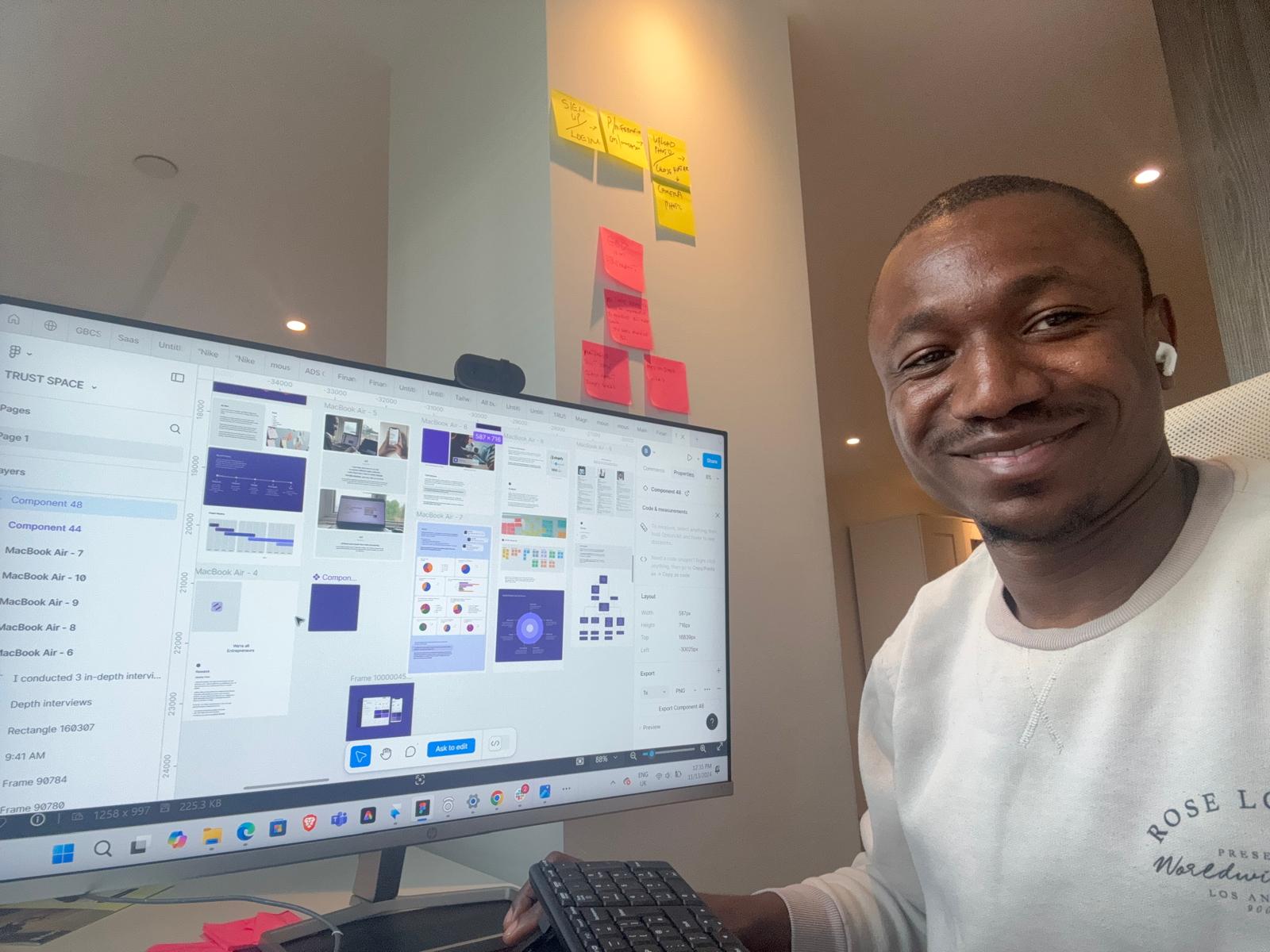
Your career path is far from typical. Can you tell us how you went from being a medical laboratory scientist to a product designer?Absolutely. I started out in the sciences because I’ve always been analytical and detail-oriented, and working in a medical lab gave me a strong foundation in problem-solving. But over time, I found myself drawn to the world of design. I was fascinated by how digital products could influence behavior and improve lives. I started exploring design in my spare time, taking courses, studying user experience, and working on small freelance projects. Eventually, I took the leap and transitioned full-time into product design.
That’s a bold move. What was the turning point that made you pursue design professionally?
The turning point was a realization: I wanted to create solutions people could touch and interact with directly. In the lab, I was working behind the scenes, and while it was important work, I craved a more visible impact. One day, I helped a friend redesign their app interface, and the feedback was incredible. That moment confirmed I could use my scientific mindset in a creative field and make a difference.
What was it like in your design career during a global crisis?
It was intense but also incredibly clarifying. During the COVID-19 pandemic, I saw how critical digital experiences became—almost overnight. That urgency pushed me to step up and start working with small businesses and startups that needed help adapting fast. The work wasn’t just about aesthetics; it was about resilience and impact. That period shaped my design philosophy in a big way.
How did your science background help shape your approach to design?
Great question. The scientific method is at the core of how I approach design: form a hypothesis, test it, analyze the results, iterate. I’m also used to precision, which helps when crafting interfaces. And surprisingly, working in a lab taught me a lot about systems, how one small part can affect the whole. That’s very similar to product ecosystems.
What has been the most rewarding project you’ve worked on so far?
One of the most rewarding projects I’ve worked on was for a fintech startup. They were facing challenges with user trust and transaction friction in their mobile app. We collaborated closely with their team to redesign the entire user experience, from onboarding and security flows to intuitive dashboards and microinteractions. After the redesign, their user engagement and transaction completion rates rose significantly. It was fulfilling to know our work helped people feel more confident and in control of their financial lives.
What advice do you have for professionals considering a drastic career switch?

Don’t wait until you feel “ready” start exploring now. Leverage what you already know, because your past experience isn’t wasted; it becomes your unique edge. And surround yourself with people who support your growth. The transition might be uncomfortable, but it’s worth it.
Where do you see your design journey heading in the next five years?
I want to keep evolving, not just through client work, but by building my own tools and systems that help others. I’m also passionate about mentoring designers, especially those from non-traditional backgrounds like mine. If my journey shows anything, it’s that you don’t need to start in the “right” place to end up doing meaningful work.