 Follow Us on Google News
 Follow Us on Google Discover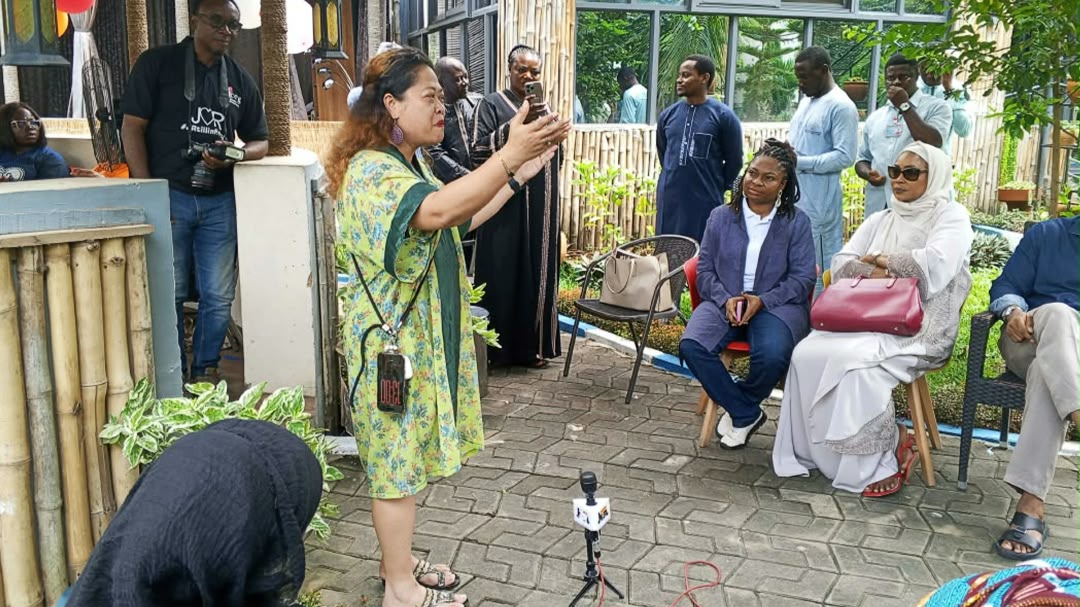
For an Abuja resident spending hours in traffic, a worker struggling to balance family responsibilities with the rising cost of living, or a parent worried about the quality of food available to the household, the pursuit of a healthier life can seem like another burden in an already demanding routine.
Yet, experts say, better health could begin with simple changes: eating fresh, locally available foods, growing vegetables at home, spending more time outdoors and creating opportunities to unwind from the pressures of everyday life.
These choices formed the focus of discussions in Abuja on Saturday as medical practitioners, nutritionists and agricultural experts called for greater attention to the links between nutrition, mental health and the environment, urging Nigerians to embrace preventive healthcare and make healthier living part of their daily routines.
The gathering, which marked the fourth anniversary of Revitalise Wellness and Holistic Gardens and coincided with World Mental Health Day 2026, also highlighted the need for accessible green spaces, household gardening and community-based initiatives that could improve wellbeing beyond the hospital.
At the centre of the intervention is Revitalise Wellness and Holistic Gardens, which seeks to connect healthcare, nutrition, nature and gardening by encouraging individuals and families to take a more active role in protecting their health.
The message is particularly relevant to residents of the Federal Capital Territory, where traffic congestion, demanding work schedules and rapid urbanisation can limit opportunities for relaxation, physical activity and contact with nature. Across Nigeria, the challenges of accessing affordable nutritious food, safe recreational spaces and reliable health information make the need for practical approaches to healthy living equally pressing.

Founder of Revitalise Wellness and Holistic Gardens and Chief Executive Officer of Child Care and Wellness Clinics, Abuja, Dr Yashua Alkali Hamza, said healthcare should extend beyond treating illnesses to addressing the lifestyle, nutritional and environmental factors that influence people’s wellbeing.
A paediatric neurologist and public health specialist, Dr Yashua said her experience in medical practice had reinforced the importance of considering patients’ physical, emotional and nutritional needs in healthcare delivery.
She explained that Child Care and Wellness Clinics began operations in February 2013 to provide family-centred healthcare, before the wellness centre was established to offer people opportunities to relax, reconnect with nature and pay greater attention to their overall wellbeing.
“Medicine should be holistic. Those things that they call unorthodox medicine should not be called unorthodox. Everything should be together,” she said, advocating an integrated approach to healthcare.
“Our bodies are powerful. They are our best medicine. But the only problem is that we get in the way. We get in the way by lifestyle, by not nourishing it,” she added.
“Health is not only about what happens when a person becomes sick. It is also about what we eat, how we live, how we manage stress and whether we give the body the support it needs every day,” Dr Yashua said.
She added, “When we talk about wellness, we must look at the whole family and the whole environment. A child may come to the clinic with a medical problem, but we also need to ask about nutrition, sleep, emotional wellbeing and the conditions at home.”
According to her, preventive healthcare should be made practical and accessible rather than presented as an idea reserved for hospitals or people with significant financial resources.
“Prevention begins with the small decisions people make daily. It can begin with choosing better food, creating time to rest, spending time in nature and learning how to care for the body before illness develops,” she said.
She also urged families to see gardening and access to green spaces as part of a broader health strategy.
“Gardening gives people more than vegetables. It gives them activity, responsibility, connection and a reason to step away from the pressures of daily life. These things can support both physical and mental health,” Dr Yashua said.
For many Nigerian families, however, eating healthily involves more than understanding the nutritional value of different foods. Food prices, household income, access to fresh produce and the time available to prepare meals all influence what families eat.
Promoting healthier diets must therefore go hand in hand with making nutritious food affordable and accessible. Encouraging the consumption of fresh, locally available produce and supporting household food production could help families make better-informed choices while reducing their dependence on purchased vegetables.
While organic farming offers potential environmental and agricultural benefits, experts say consumers must also pay attention to food safety, proper handling and balanced nutrition. Organic produce is not automatically more nutritious than conventionally grown food, and safe soil, clean water and appropriate cultivation practices remain essential.
The call for a broader understanding of health was echoed by paediatric and family healthcare practitioner Dr Muinat Oyelakin, who said effective healthcare required practitioners to consider the individual as a whole.
Drawing on more than 10 years of experience in childcare, Oyelakin said physical conditions, nutritional deficiencies and psychological wellbeing could interact to influence health outcomes.
“Wellness is derived from the individual. It could be mentally, physically, or it could be nutritional deficiency,” she said.
She identified counselling, nutritional guidance and attention to emotional wellbeing as important components of comprehensive healthcare, urging Nigerians to become more conscious of their food choices and the environments in which they live.
For parents, this means recognising that a child’s wellbeing involves more than responding to illness. It also requires attention to emotional distress, adequate nutrition, opportunities for physical activity and an environment that supports healthy development.
Beyond the consultation room, agriculturist and founder of CHC Agritech Africa, Ruby Ross, advocated greater investment in sustainable agriculture and urban gardening, arguing that households could contribute to food production even where land was limited.
Ross, who said she had visited about 20 states since beginning her agricultural advocacy activities in 2018, highlighted the role of women in food production and household nutrition.
She said her organisation was involved in an initiative promoting organic farming in 100 communities across parts of the Niger Delta, with plans to train farmers and encourage sustainable agricultural practices.
According to her, the initiative uses microbiome technology and beneficial microorganisms to improve soil health and support agricultural production.
Ross also challenged urban residents to reconsider the assumption that gardening was possible only for people with large plots of land or those living in rural communities.
With suitable containers, safe growing media, adequate sunlight and access to water, she said, households could cultivate selected vegetables in courtyards, balconies and other available spaces.
“Today, I want you to think of taking action because it is very important to take action in what we do,” she told participants.
For a family struggling to meet its food needs, a small garden may provide an opportunity to supplement household supplies while helping children understand where food comes from and why nutrition matters. Beyond food production, gardening can encourage physical activity, environmental awareness and shared responsibility among family members.
Community gardens can also bring residents together, creating opportunities to exchange knowledge, acquire practical skills and work towards common goals.
However, making urban gardening sustainable requires more than enthusiasm. Access to water, suitable growing spaces, affordable materials and knowledge of safe cultivation methods will determine whether households can maintain their gardens over time.
To address some of these challenges, Ross proposed establishing a Green Skills Gardening Club in collaboration with Revitalise Wellness and Garden Centre to provide practical training and encourage more residents to embrace gardening.
She said participants could begin with a few vegetables before expanding into other crops, while calling for stronger links between farmers, producers and markets that recognise quality and sustainable agricultural practices.
Such partnerships could connect urban consumers seeking fresh produce with farmers looking for reliable markets, while creating opportunities for small-scale enterprise and skills development, particularly among women and young people.
The discussions also drew attention to the psychological benefits of creating more opportunities for people to connect with nature.
For many residents of Abuja and other rapidly expanding Nigerian cities, daily life revolves around homes, offices, schools and commercial centres, with limited time for outdoor recreation. Traffic congestion, noise, overcrowding and work-related pressures can further reduce opportunities for relaxation.
Accessible green spaces can provide places to walk, exercise, socialise and take a break from these pressures. Gardening, meanwhile, offers a practical way to introduce nature into everyday life through planting, watering and caring for vegetables and other plants.
Although gardening is not a substitute for professional mental healthcare, time spent in natural surroundings and participation in meaningful outdoor activities may support stress management and psychological wellbeing.
The wider implication is that parks, community gardens and other green spaces should be treated as important elements of urban development rather than optional features.
For Abuja, where urban expansion continues to reshape neighbourhoods, the availability of safe and accessible outdoor spaces could help residents incorporate physical activity and recreation into their routines. Similar considerations apply to other Nigerian cities, where population growth and competing demands for land place pressure on the natural environment.
Revitalise Wellness and Garden Centre is seeking to connect these concerns by providing a space where discussions about health can lead to practical activities involving nutrition, gardening and environmental awareness. During the event, the invitees were conducted round the gardens and briefed on the wellness services available there by the garden’s manager, Catalina Mathias.
As part of its fourth-anniversary activities, the centre, in collaboration with CHC Agritech Africa and the Association of Diplomatic Women in Nigeria, is scheduled to launch an Urban Gardening and Green Skills Hub at CWC Childcare and Wellness Clinic in Mabushi, Abuja.
The proposed hub is intended to combine gardening, practical training, wellness activities and community participation, providing an avenue for residents to acquire gardening skills and explore ways of incorporating greener practices into their daily lives.
Its long-term value, however, will depend on sustained participation, accessible training and arrangements for maintaining the gardens beyond the launch.
President of Women Inspire Africa, Ambassador Tina Kenechukwu, also emphasised the importance of partnerships in promoting mental health awareness, agricultural development and women’s empowerment.
Kenechukwu, a television presenter, said World Mental Health Day offered an opportunity to encourage conversations about psychological wellbeing while building collaboration among businesses, non-governmental organisations, foundations and other groups working to improve people’s lives.
She said Women Inspire Africa had more than 100 businesses and organisations in its network, identifying agriculture, entrepreneurship, health awareness and women’s economic participation as potential areas for collaboration.
A teenagers’ mental health coach, Coach Ifoma, similarly highlighted the need to support young people experiencing emotional and psychological challenges, particularly when these difficulties affect their education, relationships and everyday activities.
Their contributions reinforced the need for families, schools, healthcare providers, community organisations, farmers and policymakers to work together in promoting healthier living.
For Revitalise Wellness and Garden Centre, the challenge is to translate these discussions into practical activities that individuals and communities can adopt and sustain. The proposed Urban Gardening and Green Skills Hub and gardening club offer potential avenues for extending the centre’s intervention beyond awareness campaigns.
But the broader responsibility extends beyond any single organisation. Healthier living requires affordable nutritious food, reliable health information, accessible green spaces and professional medical and mental health services.
Households can contribute by making informed food choices, growing vegetables where feasible and creating time for recreation and family interaction. Communities can support shared gardens and local food production, while public authorities can promote urban planning that protects green spaces and provides residents with safe places to walk, exercise and relax.
The experts’ message was clear: the pursuit of good health should not begin and end in the hospital. It should also be reflected in the food people eat, the environments in which they live, their opportunities to connect with nature and the support available when they experience emotional difficulties.
By bringing healthcare, nutrition, gardening and environmental awareness together, Revitalise Wellness and Garden Centre is seeking to make preventive health more practical and accessible.
For the citizenry in Abuja and across the country, the ultimate test will be whether such initiatives can help turn healthier choices into everyday habits, making wellbeing less of an expensive privilege and more of a shared community goal.

