 Follow Us on Google News


 Follow Us on Google Discover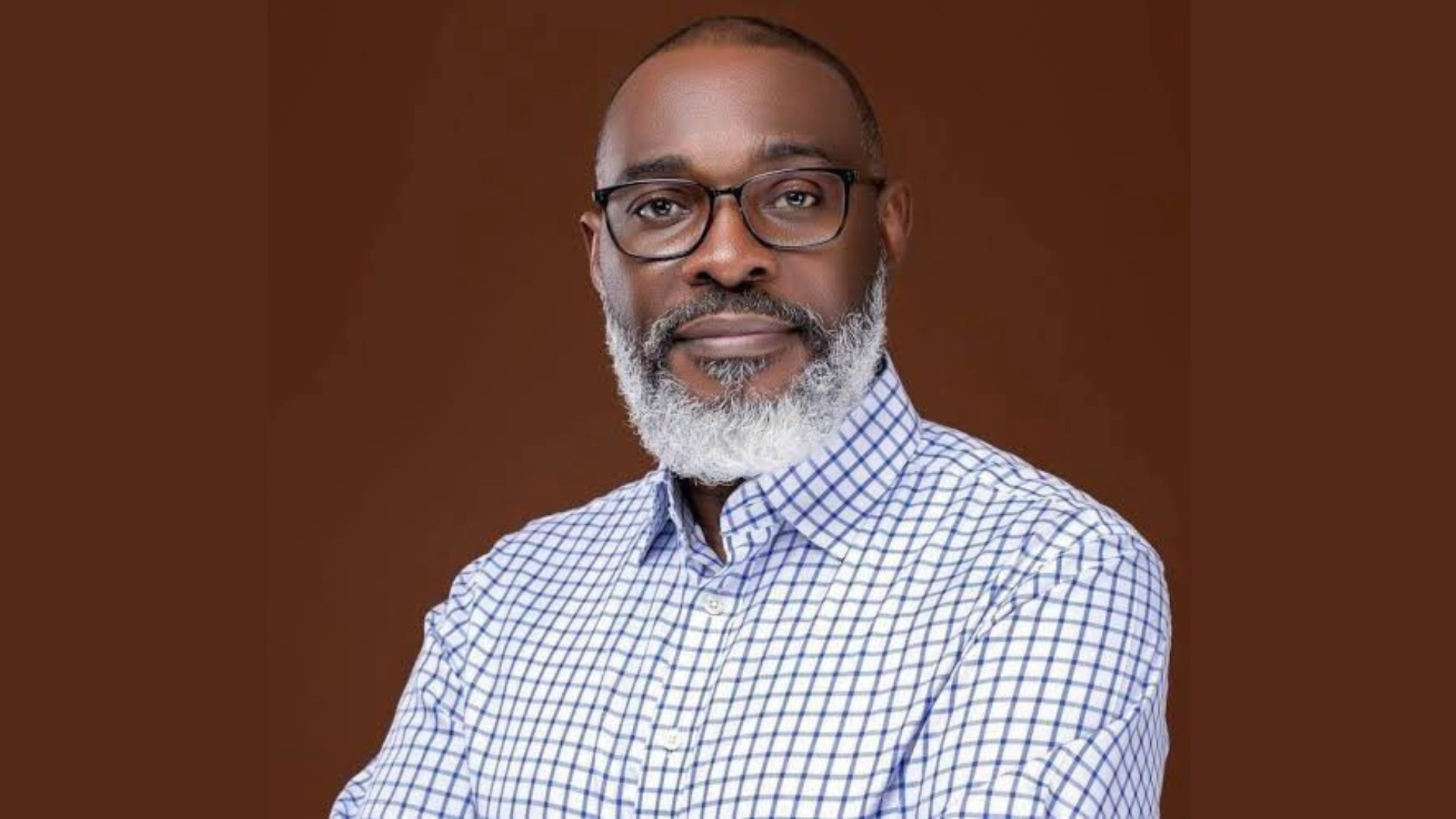
The newly appointed Special Adviser to the President on Homeland Security, Major-General Adeyinka Famadewa (rtd.), has clarified that his office will complement existing security institutions rather than duplicate or take over their responsibilities.
Famadewa made the clarification on Thursday in Abuja when he paid a courtesy visit to the Minister of Information and National Orientation, Mohammed Idris, amid concerns over the mandate of the newly created office and its place within Nigeria’s already extensive security architecture.
“I will emphasise here that the office is to complement, not to replace any office,” he said.
President Bola Ahmed Tinubu appointed Famadewa to the position on May 11, 2026, with the Presidency describing the retired general as a highly decorated security professional with more than three decades of military and intelligence experience spanning national security strategy, intelligence fusion, counter-terrorism operations and international security diplomacy.
His appointment, however, immediately generated debate among security experts and observers over whether the new portfolio could create an additional layer within an already crowded security architecture involving the Office of the National Security Adviser, Ministry of Defence, armed forces, police and intelligence agencies.
While some questioned the necessity of the new office, the Centre for Humanitarian and Homeland Advancement defended the appointment, arguing that evolving security threats required stronger intelligence coordination and strategic response mechanisms.

Famadewa’s latest clarification effectively addresses that concern, as he explained that his mandate was to bring additional coordination and preventive capacity to the national security effort.
He said the office would focus on ensuring that Nigerians were safe and secure, while also building resilience within communities and strengthening the country’s capacity to anticipate and respond to emerging threats.
According to him, the approach would go beyond the traditional emphasis on armed operations to include intelligence gathering, surveillance, border management, threat identification, crisis reporting and community engagement.
Famadewa outlined four immediate priorities for the office, beginning with the establishment of a unified national intelligence and surveillance programme.
He said the objective was to ensure that security agencies had better visibility of activities across the country and could identify suspicious movements before they developed into serious threats.
“The idea is this. No space on land, Nigeria, should be left unmonitored. We should be able to see what’s happening, who is moving and what they are doing,” he said.
His second priority is improved border security, which he said was necessary because many of the threats confronting Nigeria had transnational dimensions.
Famadewa said the office would work with relevant agencies to strengthen the country’s borders and improve the ability of authorities to track people and activities associated with cross-border criminality.
He listed addressing anonymity as the third priority, saying the office was already engaging relevant agencies on ensuring that individuals and entities involved in activities with security implications could be identified and monitored.
“Today, no entity should be unmonitored. Nobody should be unmonitored. It is when people can do things, and you can detect it, that you keep having security,” he said.
The fourth priority, he said, was to establish proper protocols for reporting and responding to crises.
Famadewa said the existence of security threats was sometimes not the only problem, as communities could see suspicious activities without knowing how or where to report them, or authorities could receive information without having an effective response mechanism.
He therefore identified the Ministry of Information and National Orientation as a critical partner in developing a stronger citizen-based security information system.
According to him, the ministry’s grassroots reach through the National Orientation Agency makes it particularly important to the homeland security strategy.
He said his office would seek collaboration with the ministry in developing joint crisis communication protocols, stressing the need for government to communicate security incidents from a unified position.
“When we talk as a government, we should talk from one side,” he said.
Famadewa also proposed cooperation in developing a national incident-reporting platform that would enable citizens to provide information about suspicious activities and security incidents to the appropriate authorities.
He argued that strengthening community resilience could be more sustainable in preventing insecurity than relying exclusively on military intervention.
“It is difficult to shoot our way out of insecurity. But it is easier for us to build the resilience of the nation,” he said.
The Special Adviser said citizens should be regarded as an important component of the national security architecture, describing every Nigerian as a potential source of information.
Responding, Idris similarly stressed the need for stronger cooperation among security agencies, government institutions, communities, the media and citizens.
The minister said Nigeria’s security challenges could not be resolved through military action alone, noting that peace and security remained fundamental to economic and national development.
“Security requires collaboration between the security agencies, the armed forces and the general public,” Idris said.
He also identified misinformation, disinformation and fake news as emerging security challenges, stressing the importance of responsible communication and accurate information during security crises.
The minister assured Famadewa of the ministry’s cooperation, particularly in strategic communication, public education and community engagement.

