 Follow Us on Google News
 Follow Us on Google Discover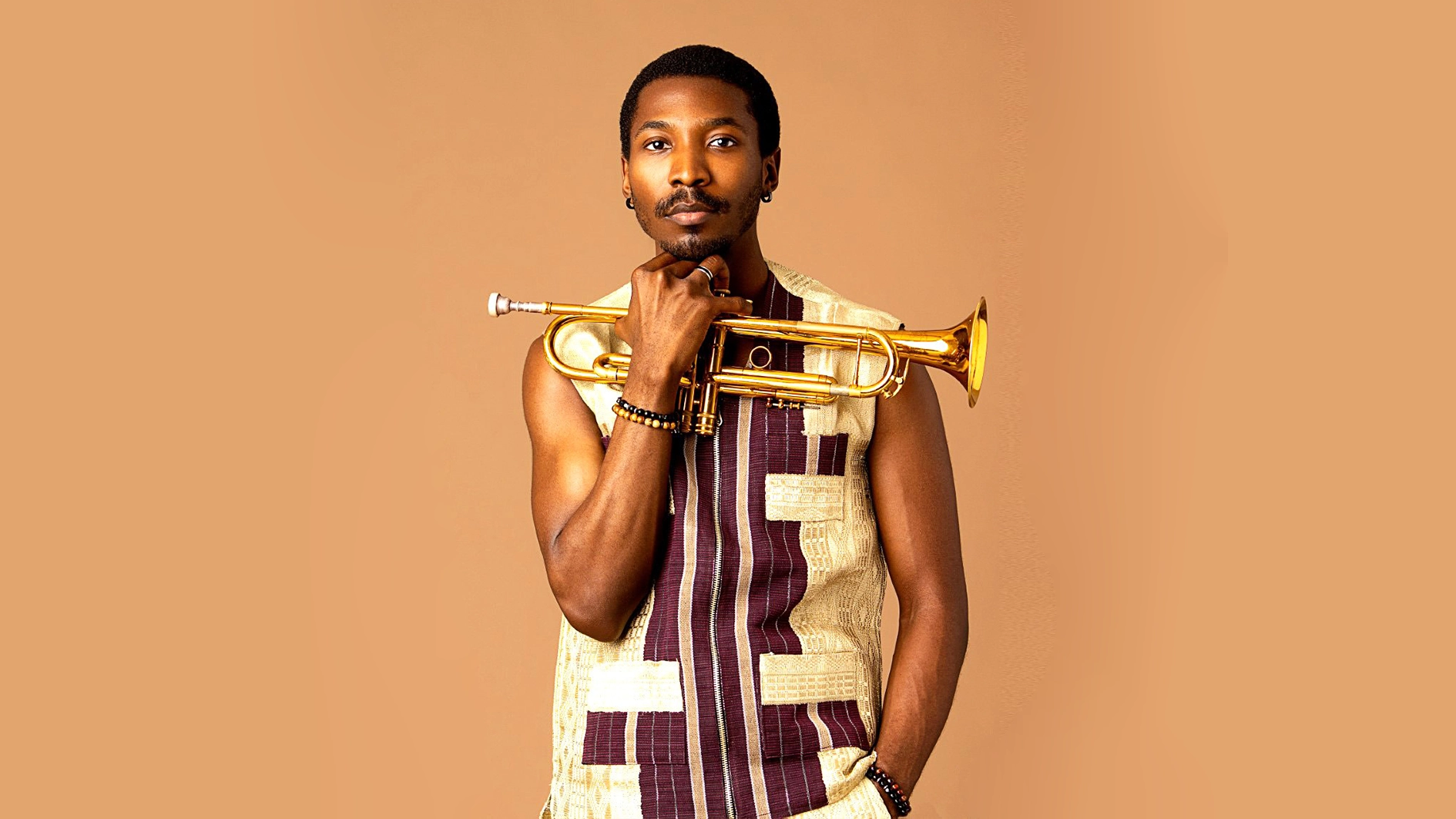
Made Kuti, Afrobeat multi-instrumentalist and grandson of Fela Anikulapo-Kuti, is set to showcase another dimension of his musical artistry when he performs a classical music piece at the 2026 MUSON Festival of the Arts in Lagos.
Made will take the stage on November 3, by 10:30am, at, the highly anticipated “Collabo: Music Meets Technology” event where he will put his dexterity in classical and contemporary music on display.
An initiative conceptualised and first curated by Sade Doherty in 2023, ‘Collabo’ is part of MUSON’s efforts to foster conversations around the intersection of music and emerging technologies.
The event will feature Director-General of the Nigerian National Council for Arts and Culture (NCAC), Obi Asika, as keynote speaker.
The 2026 MUSON Festival is billed to run from October 23 to November 8, 2026, with fascinating line-up of events comprising ten major concerts and a symposium. It will feature a medley of classical music, jazz, operatic performances, theatre, exhibitions, and youths programmes.
One of the highpoints of the festival, ‘Collabo’ is slated for November 3, 2026, at the Shell-Zenith Hall, MUSON Centre, Onikan, Lagos. The event begins with a prelude; a podcast series, from 10:30am. The main event of the day, a symposium, kicks off by 11:00am.
The 2026 episode of the MUSON Festival is particularly significant as it brings together four major milestones: 43 years of MUSON Centre, 37 years of the MUSON Basic School of Music, 30 years of the MUSON Festival and 20 years of the MUSON School of Music Diploma Programme sponsored by the MTN Foundation.

A free event, ‘Callobo’ will be held under the overarching 2026 MUSON Festival theme: ‘Music Sustained’ aimed at helping to upscale the skillset of music producers, musicians, artist managers, educators and various stakeholders in the music production chain in order to meet contemporary, global standard in music production, in a world that is in constant flux.
According to Chairperson, 2026 MUSON Festival Planning Committee, Sade Doherty, the first three editions explored artificial intelligence, creativity emerging from machines, and the ways AI is redefining music within the contemporary ecosystem.
“Automation in every sphere of life is progressing at breakneck speed, and music is no exception,” Doherty said, noting that the 2026 edition will turn its spotlight to automation, AI and collaboration—three forces increasingly reshaping how music is created, performed and experienced.
She explained that this year’s symposium would explore how musical creativity, artistry and human ingenuity can interact with increasingly sophisticated technologies, while also examining the possibilities and tensions that emerge from such encounters.
A major feature of the programme will be a keynote address by Obi Asika, who will share perspectives on building Nigeria’s domestic music economy and the role of innovation in strengthening the country’s creative industries.
The event will also feature a masterclass titled “AI in 2026: From Adoption to Collaboration,” designed to move beyond theoretical discussions of artificial intelligence to practical applications for musicians and other creative practitioners.
Deputy-Director, MUSON School of Music, Korede Omopeloye, said the masterclass would demonstrate how practical, non-generative AI tools could help musicians address operational challenges that often take time away from their core artistic activities.
Omopeloye disclosed that the session would explore tools and applications including real-time stem isolation, instant chord extraction, smart metronomes and precision tempo control, showing how technology could streamline rehearsal processes and reduce administrative bottlenecks while retaining human artistic control.
“Where art meets innovation, the future of sound takes centre stage,” Omopeloye said, describing ‘Collabo 2026’ as a gathering designed for performers, educators, students and creative visionaries seeking to understand how emerging technologies could enhance artistic expression and contribute to a stronger local music ecosystem.
The programme will begin with the screening of a new episode of Music Expressions by MUSON, the organisation’s podcast series, followed by interactive networking and a series of musical preludes. The performances will cut across classical and contemporary traditions, including musical theatre selections and classical piano works.
Students of the MUSON School of Music will also feature in the programme, with showcase performances demonstrating the institution’s continuing commitment to nurturing young musical talent.
Doherty said the initiative reflects MUSON’s broader commitment to placing creativity and raw talent alongside innovative technologies, while maintaining the institution’s classical music heritage and engaging with Nigeria’s rich contemporary and cultural expressions.
“At MUSON, we nurture creativity and raw talent, which we now juxtapose with innovative technologies, thereby creating a vibrant contemporary and cultural space,” she said.
She added that the responsibility was to recognise and adapt to the changes brought about by modernity while preserving the ethos of classical music and its continuing dialogue with Nigerian and global contemporary forms.

