 Follow Us on Google News
 Follow Us on Google Discover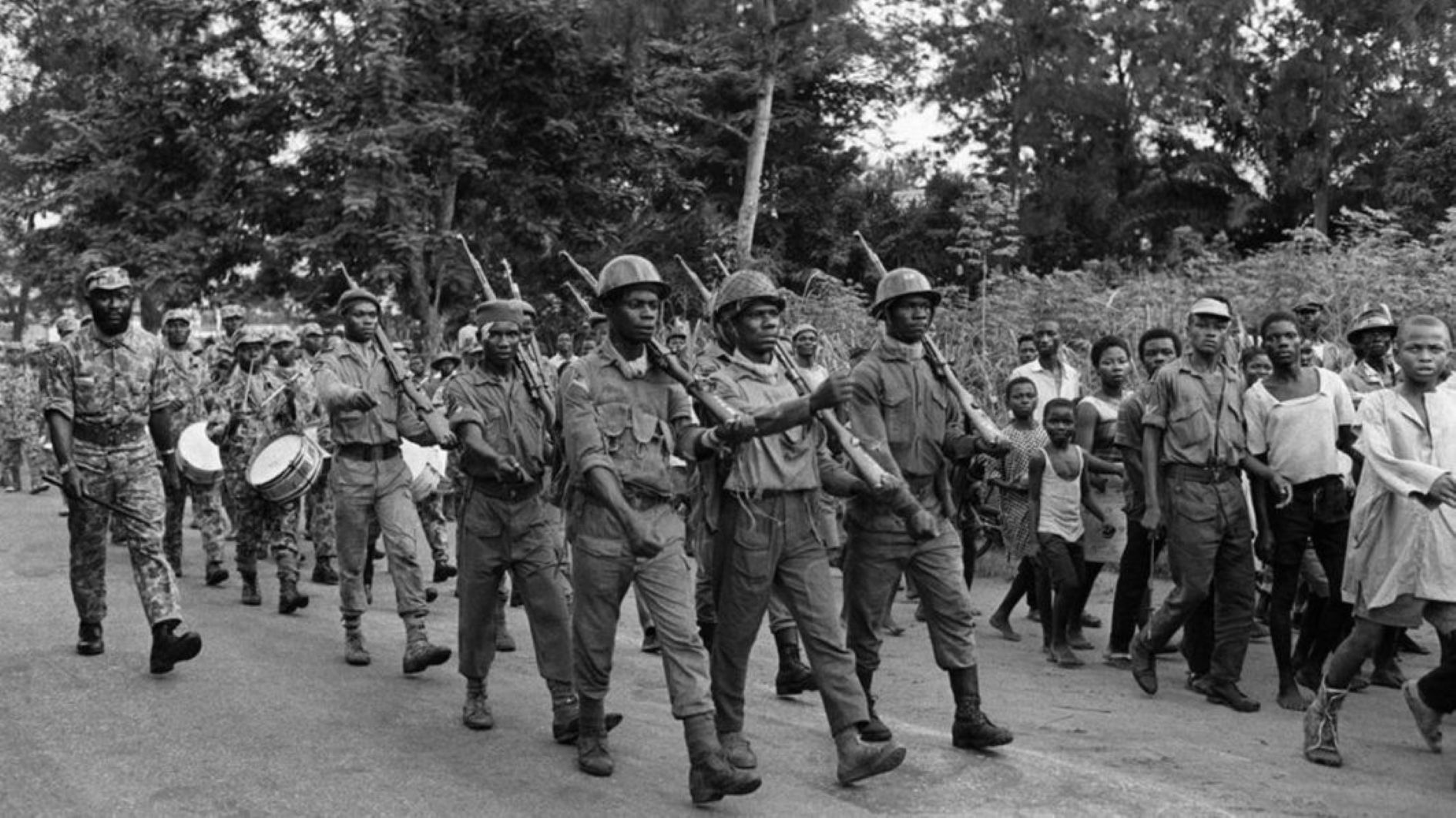
The lingering consequences of the Nigerian Civil War shaped the careers of officers from the former East Central State in Nigeria’s foreign service, with some allegedly subjected to prolonged posting restrictions, adverse security reports and stalled career progression, according to a new memoir by retired diplomat, Ambassador Lawrence Agubuzu.
Agubuzu, in his autobiography, Zero Hour Graduate: A Nigerian Diplomat’s Journey Through War and Service to Triumph, provides an insider’s account of his experiences in the diplomatic service and the challenges he said confronted officers perceived to have links with the former Biafran territory after the war ended in January 1970.
The memoir also recounts cases involving delayed postings, alleged discriminatory security assessments, blocked promotions and a marriage that was reportedly vetoed by security authorities, while documenting how the civil war continued to cast a shadow over the careers of some diplomats years after the conflict.
Agubuzu, a graduate of the University of Nigeria, Nsukka, was a student when the civil war broke out in 1967. Although he did not enlist in the Biafran Army, he said he supported the war effort through the Olo and Amagu Umulokpa Civil Defence Organisation, where he helped shelter people displaced by the conflict.
He later served as an intelligence officer with the Biafran Organisation of Freedom Fighters, an experience which, according to the memoir, exposed him to considerable danger during the conflict.
Following the war, Agubuzu said he declined a teaching appointment offered to graduates from the former East Central State in Northern Nigeria, choosing instead to pursue a career in the Ministry of External Affairs.

He joined the ministry in April 1971 and subsequently underwent training at the Foreign Service Academy.
According to his account, however, the end of hostilities did not immediately erase the suspicion surrounding officers from the former Biafran region.
Agubuzu said that after completing their training, officers from East Central State were held back at headquarters while some of their colleagues from other parts of the country were quickly posted abroad.
He recalled that one of his classmates from Benue-Plateau State was posted within a week to Nigeria’s Permanent Mission to the United Nations in New York.
The memoir attributed the delay affecting the East Central State officers to security reports, although it did not provide details of the reports or identify the agencies responsible for them.
When the restrictions were eventually relaxed, Agubuzu said officers from the region were initially limited largely to postings within West Africa

