 Follow Us on Google News



 Follow Us on Google Discover
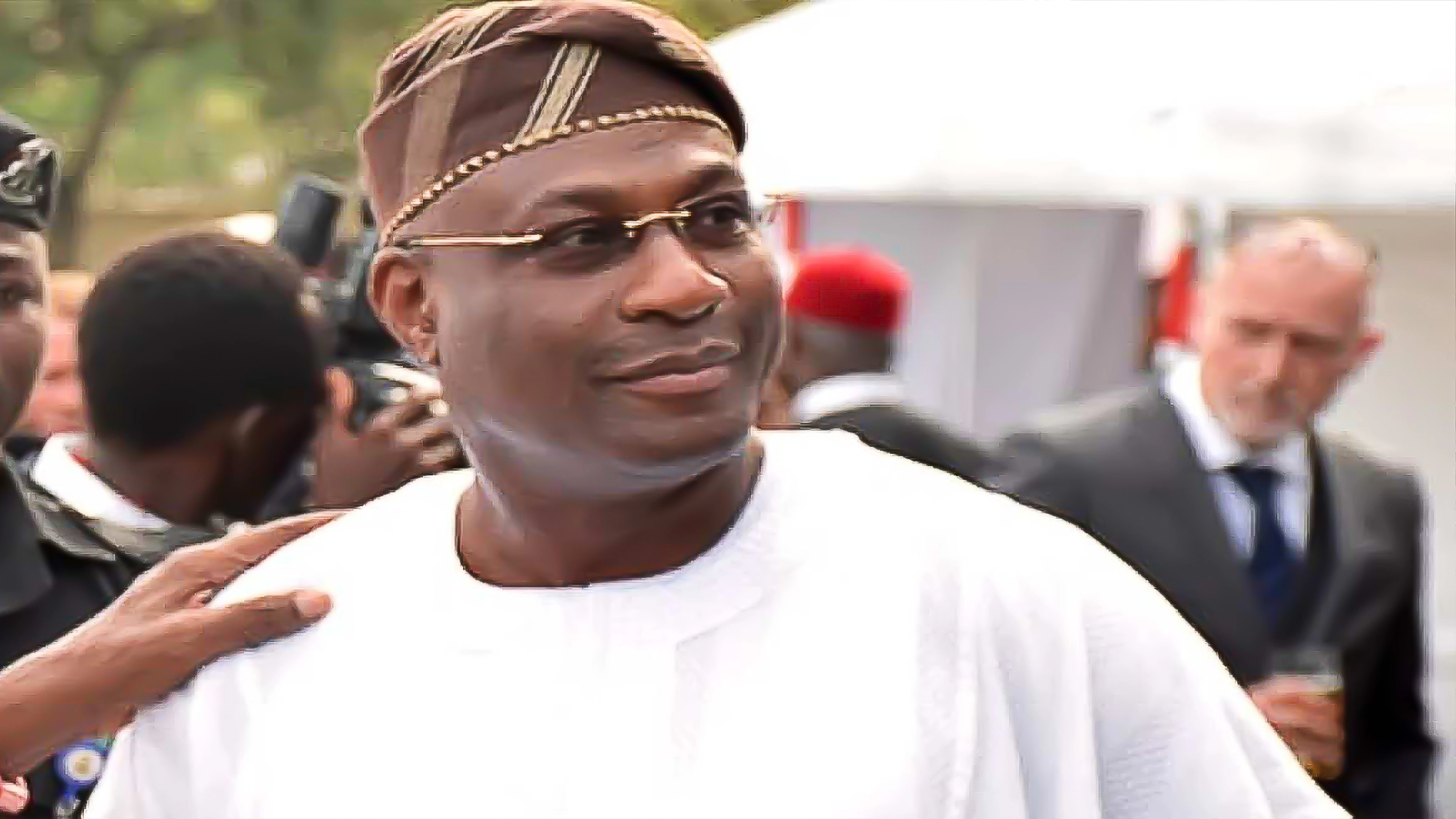
Retired Commissioner of Police, Fatai Owoseni, has warned that military operations alone cannot end Nigeria’s insecurity, urging the Federal Government to combine the use of force with effective governance, intelligence gathering, community policing, justice reforms and socioeconomic development.
Owoseni said Nigeria’s persistent security challenges, including terrorism, banditry, kidnapping, farmer-herder conflicts, communal violence, separatist unrest and oil-related criminality, required a comprehensive approach that addressed the underlying causes of violence.
He made the submission in a paper titled, “Nigerian Security Impasse: Challenges and Solutions,” delivered at the 44th Olumide Memorial Lecture of the Nigerian Institution of Surveyors in Abuja.
According to him, the country’s security crisis is sustained not only by armed groups and criminal networks but also by institutional weaknesses, corruption, intelligence deficiencies, poverty, unemployment, porous borders and declining public trust in government institutions.
He argued that although military operations remained necessary to confront terrorism and heavily armed criminal groups, they could not guarantee lasting security without complementary interventions in policing, justice, governance and human development.
“The central defect of a mostly coercive strategy is that military power can subdue immediate threats but cannot address the conditions that create insecurity,” the paper stated.

Owoseni said the persistence of violence despite years of military operations, increased security spending and successive government interventions raised questions about the country’s ability to translate tactical successes into sustainable security.
He noted that armed groups could be weakened or neutralised through security operations, but violence could return if the conditions that enabled their recruitment, organisation and activities remained unaddressed.
Citing the humanitarian consequences of insecurity, the retired police commissioner referred to International Organisation for Migration assessments which recorded 2,333,190 internally displaced persons across six North-East states and another 1,311,026 in 10 North-Central and North-Western states as of February 2026.
He said the figures illustrated how insecurity had developed beyond a law enforcement problem into a humanitarian, economic, educational and governance crisis.
According to him, persistent attacks and abductions have disrupted farming, trade, transportation and schooling, while forcing families from their homes and weakening economic activities in affected communities.
Owoseni identified weak coordination among security agencies, inadequate intelligence-sharing, corruption and limited access to justice as some of the institutional challenges undermining efforts to tackle insecurity.
He said rivalry among security agencies, inadequate manpower, equipment and funding, as well as poor operational coordination, had limited the effectiveness of security institutions.
On intelligence gathering, he stressed the need to improve surveillance, reconnaissance, secure communications and early-warning systems, while strengthening collaboration among the military, police, intelligence agencies, border authorities and subnational governments.
He also advocated the use of geospatial technology to identify conflict hotspots, criminal movement corridors, vulnerable infrastructure and areas requiring preventive security interventions.
.
He further identified poverty, unemployment, inadequate educational opportunities and poor livelihood conditions as factors that could make vulnerable populations susceptible to recruitment by violent organisations.
On farmer-herder conflicts, he advocated transparent land-use arrangements, improved management of grazing routes and water resources, early-warning mechanisms and mediation at state and local government levels.
He said conflict-resolution measures should be inclusive, impartial and protective of the legitimate livelihoods of all parties, rather than favouring one community over another.
He recommended stronger investigation and prosecution of violent crimes, witness protection, victim support and credible investigations into allegations of misconduct by security personnel.
Owoseni argued that accountability should apply to armed groups, criminal networks, political actors and public officials, stressing that justice must be an integral part of security policy.
He called for measures to disrupt the financial networks sustaining kidnapping, cattle rustling, oil theft, illegal mining and other criminal activities, while strengthening the protection of schools, farms, markets, highways and public infrastructure.
On separatist unrest, particularly in the South-East, he said the government should distinguish peaceful political expression from criminality and organised armed violence, while addressing legitimate grievances through constitutional, legislative and democratic institutions.
He also urged Nigeria to deepen cooperation with regional bodies and neighbouring countries on intelligence-sharing, counterterrorism, border management, arms control and maritime security.
For the reforms to produce results, Owoseni said security performance should be measured by outcomes rather than the amount of money spent, the number of personnel deployed or arrests made.
He listed reductions in civilian deaths, attacks and kidnappings, improved emergency response times, increased prosecution of violent offenders, safer transport routes, fewer school closures and the restoration of agricultural production among the indicators for assessing progress.
He said Nigeria needed to move from predominantly reactive security responses towards a comprehensive system capable of preventing threats, protecting civilians and restoring normal social and economic life.