 Follow Us on Google News


 Follow Us on Google Discover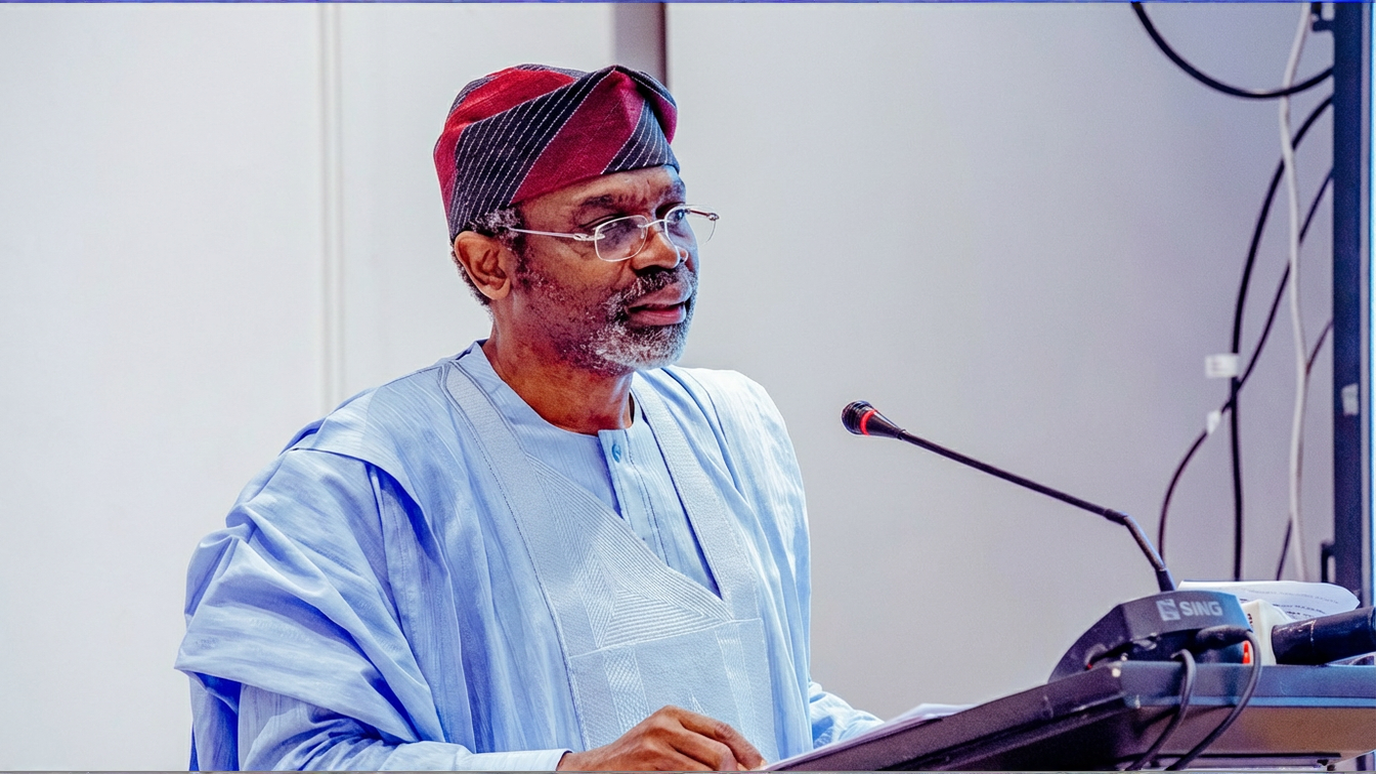
The Federal Government has set a two-week timeline for transmitting the National Policing Bill to the National Assembly, with the proposed legislation now 90 per cent ready and awaiting the resolution of outstanding observations from state governors, Chief of Staff to the President, Femi Gbajabiamila, has disclosed.
Gbajabiamila, who chairs the Presidential Working Group on the proposed policing reforms, gave the indication on Thursday after a meeting of the group’s steering committee at the State House, Abuja.
He said the committee was approaching the final stage of preparing the bill, with another meeting expected to resolve outstanding issues and ensure that the proposed legislation adequately addressed the concerns raised during deliberation.
According to him, the governors have made one or two observations that must be considered before the document is finalised and forwarded to the National Assembly for legislative consideration.
“The National Policing Bill is more or less ready for transmission to the National Assembly. We will probably have one more meeting after this to cross the t’s and dot the i’s and make sure every area is covered. So, we are 90 per cent ready,” he said.
“The governors have one or two observations, and we should be ready in about a week or so,” he added.

Although Gbajabiamila expressed confidence that the bill would be ready shortly, its transmission to the legislature remains subject to the conclusion of the committee’s work and the resolution of the outstanding issues.
He described the proposed legislation as “the most consequential bill of the administration so far”, underscoring the significance the working group attaches to the planned overhaul of the country’s policing framework.
The committee began its deliberations on August 3 and has since subjected the proposed legislation to what Gbajabiamila described as intensive scrutiny.
The proposed bill forms part of broader efforts to reform policing in Nigeria, where persistent security challenges have intensified calls for more effective law enforcement, improved operational capacity and policing arrangements that can respond more efficiently to local security threats.
The latest development comes alongside the ongoing constitutional amendment process to provide for the establishment of state police, a reform that would require changes to the existing constitutional framework governing policing in the country.
Gbajabiamila also expressed confidence that the constitutional amendments would receive the necessary support from state legislatures, despite concerns over the pace of their consideration.
He was responding to questions about reports that only about six states had passed the Sixth Constitution Alteration Bill relating to state police, raising concerns about whether the process could be delayed by insufficient support at the subnational level.
The Chief of Staff, however, maintained that there was a broad national consensus on the need for the amendments, expressing optimism that the process would not suffer a reversal.
“I see no reason why anyone will want to have a rethink on it,” he said.
The National Policing Bill and the proposed constitutional amendments are related components of the wider state policing reform agenda, but they involve distinct legislative processes. While the bill is being prepared for submission to the National Assembly, the constitutional amendment process requires the participation of the state Houses of Assembly in accordance with the provisions of the Constitution.
Thursday’s meeting brought together senior government officials, state governors, police leadership and other stakeholders involved in the reform process.
Those in attendance included the Chairman of the Nigeria Governors’ Forum and Governor of Kwara State, AbdulRahman AbdulRazaq; Governor Dapo Abiodun of Ogun State; Governor Uba Sani of Kaduna State; and the Inspector-General of Police, Tunji Disu.
The Attorney-General of the Federation and Minister of Justice was represented by the Solicitor-General of the Federation and Permanent Secretary of the Federal Ministry of Justice, Beatrice Jedy-Agba.
Other participants included the Chairman of the Policy Advisory Committee, Justice Abdullahi Liman (retd.); Head of the Nigeria Police Reform Secretariat, Professor Olu Ogunsakin; and Special Adviser to the President on National Assembly Matters (House of Representatives), Lanre Smart.
Also present were the Senior Special Assistant to the President on Planning and Research and Secretary of the committee, Nnadubem Moghalu; a representative of the Nigerian Bar Association; and Assistant Inspector-General of Police Abraham Nabhon Thomas, representing the National Security Adviser, among others.
The next phase of the process is expected to focus on resolving the remaining observations, completing the draft and transmitting it to the National Assembly, where lawmakers will determine its subsequent legislative consideration.

