 Follow Us on Google News


 Follow Us on Google Discover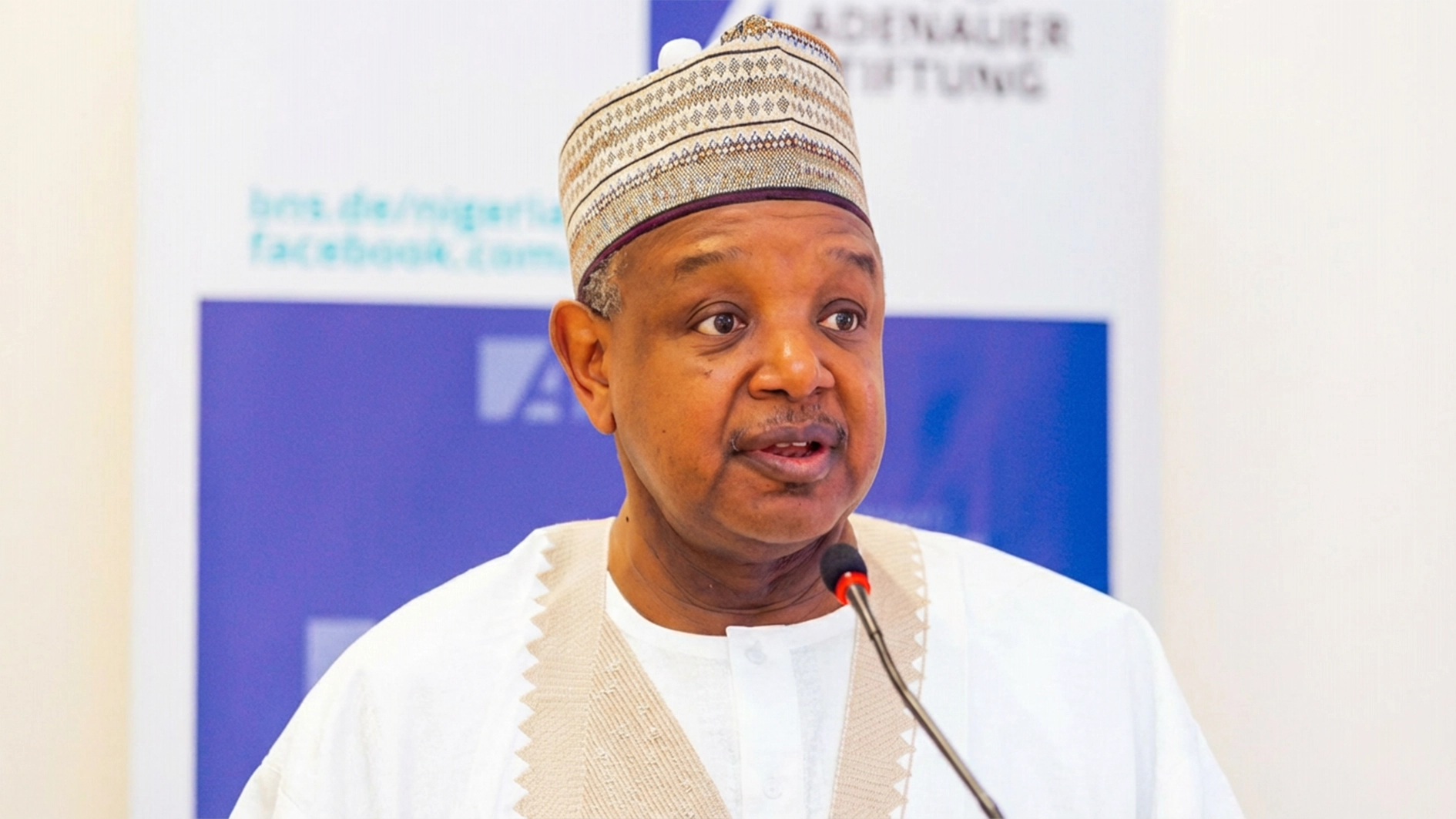
…As phase one impacts 17.6m Nigerians
Nigeria’s flagship social intervention programme, the Nigeria Community Action for Resilience and Economic Stimulus Additional Financing (NG-CARES AF), is targeted at impacting 38.5 million households and 22.7 million Nigerians within the next four years.
Minister of Budget and Economic Planning, Senator Abubakar Bagudu, who disclosed this at the official launch of phase two of the programme in Abuja, also informed that the first phase which lapsed in December 2025, impacted over 17.6 million Nigerians.
NG-CARES, a World Bank assisted programme was first launched in September 2021 with a $750 million World Bank facility to address the shocks arising from COVID-19 pandemic.
The programme is a performance for result (PforR) project, meaning that states first implement the programmes and based on the recommendation by an independent verification agent (IVA), the states are reimbursed what they have spent.
This implementation strategy was to guard against fund misappropriation. Baguda, who was elated at the scale of success achieved during the first phase of the programme, said the NG-CARES with additional World Bank financing of $500 million facility, is built on the success of the first phase.

He said the decision of the government to seek additional financing for the NG-CARES is reflective of the desire of the present administration to address both livelihood and cost of living challenges, and poverty reduction. “Today’s event represents yet another milestone in our collective efforts to translate the vision of the Renewed HOPE Agenda of Mr. President into concrete interventions that directly touch the lives of the poor and vulnerable Nigerians”, he said.
“This is a manifestation of the commitment of this administration to building a resilient, inclusive and prosperous nation where development opportunities reach every citizen, especially at the grassroots.”
He said the first phase of the programme which was implemented between 2021 to 2025, reached 17.6 million direct beneficiaries across Nigeria.
“These beneficiaries include poor and vulnerable individuals, households, farmers, nano, micro and small enterprises, and communities affected by the COVID-19 pandemic, as well as other socio-economic shocks”, he said, adding that this additional financing of $500 million which targets 38.5 million households and 22.7 million individuals, will further deepen the impact and strengthen livelihood support, food security, community resilience, and social protection systems.
“NG-CARES brings resilience and strengthens institutions, supporting broader macroeconomic reform, the generation of prosperity in all the 8,809 wards in the country, as well as helping us in the march towards a $1 trillion economy”, Bagudu said.

