
 Get Guardian on Google
As Africa moves to integrate creative industry into economic devt plan
The Federal Government has set a target of creating no fewer than two million jobs in the creative economy by 2030, as part of efforts to diversify the economy, attract investment and provide employment opportunities for young Nigerians.
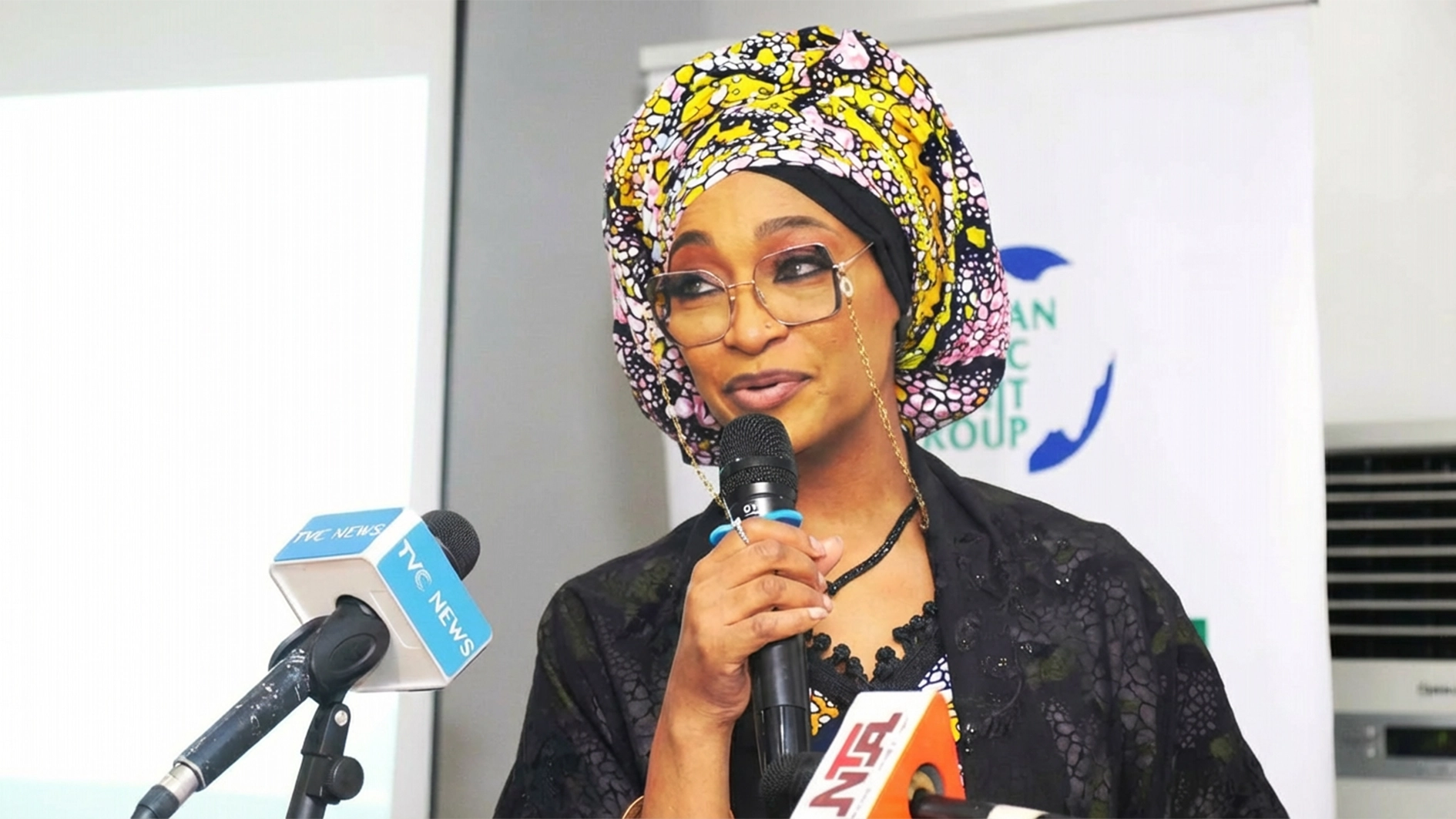
The Minister of Arts, Culture, Tourism and the Creative Economy, Hannatu Musa Musawa, disclosed this during the Ministerial Roundtable at the ongoing Creative Africa Nexus (CANEX) WKND 2026, an initiative of Afreximbank held in Lagos, yesterday.
Musawa said the government was taking deliberate steps to position the creative industry as a major contributor to economic growth, job creation and international trade, stressing that the sector must move beyond cultural expression to become a strong source of revenue and investment.
She said the creative economy offered Africa an opportunity to harness its large youthful population, create businesses and provide jobs, particularly at a time when digital technology and artificial intelligence were changing the way creative products were produced, distributed and commercialised.
The minister said Nigeria was working towards the two-million-job target through policy reforms, improved access to finance, investment in infrastructure and stronger protection of intellectual property.

She disclosed that the ministry published Nigeria’s comprehensive Creative Economy Data Mapping Report in 2025, describing it as the first of its kind to provide information on the sector’s value chains, investment opportunities and infrastructure gaps.
Also at the roundtable, the ministers called for increased funding, stronger intellectual property protection and improved access to markets to accelerate the development of the continent’s cultural and creative industries.
The Roundtable, themed ‘From Commitments to Implementation: Accelerating Global Africa’s Culture and Creative Industries in the Age of AI and Innovation’, brought together ministers responsible for cultural and creative industries from African and Caribbean countries.
The participating countries included Nigeria, Algeria, Guinea, Rwanda, Senegal, Botswana, Mozambique, the Bahamas, Namibia, Malawi, Zambia, Ghana and Côte d’Ivoire.
The ministers highlighted the critical role of culture and creative industries in economic development, job creation, youth empowerment, inclusion and peace.
Stakeholders in the creative industry have called for increased investment in infrastructure, strategic capital, intellectual property (IP) protection and international partnerships to transform Africa’s creative potential into sustainable businesses and economic opportunities.
They made the call at the fifth edition of Digital Innovation and Creative Excellence (DICE 5.0), themed “Igniting African Creativity Through Infrastructure and Strategic Capital,” held alongside CANEX WKND 2026.
Speaking at the event, Founder of Zuri24 Media Lagos and #BLACKBox Creative Hub, Femi Odugbemi, stressed the need for Africa to move beyond content production and invest in technology and infrastructure that would enable creators to retain ownership of the value generated by their work.
He noted that although Africa had demonstrated its creative capabilities, the continent still faced challenges relating to ownership of intellectual property, distribution platforms and technology.
Odugbemi argued that Africa’s priority should be to develop infrastructure that would connect creative works to audiences while ensuring that the economic benefits remained within the continent.
Also speaking, the Director General of the National Council for Arts and Culture, Obi Asika, disclosed that the government was working towards developing a new intellectual property framework that would enable creatives to use their registered IP assets as collateral to access financing.
Earlier, Founder of Beyond Limits and Convener of DICE, Dr Juliet Ehimuan, said the fifth edition of the event focused on unlocking Africa’s creative economy through strategic investment, infrastructure development and partnerships.
She noted that more investment was needed to help creatives transform their talents and ideas into sustainable businesses.