 Follow Us on Google News



 Follow Us on Google Discover
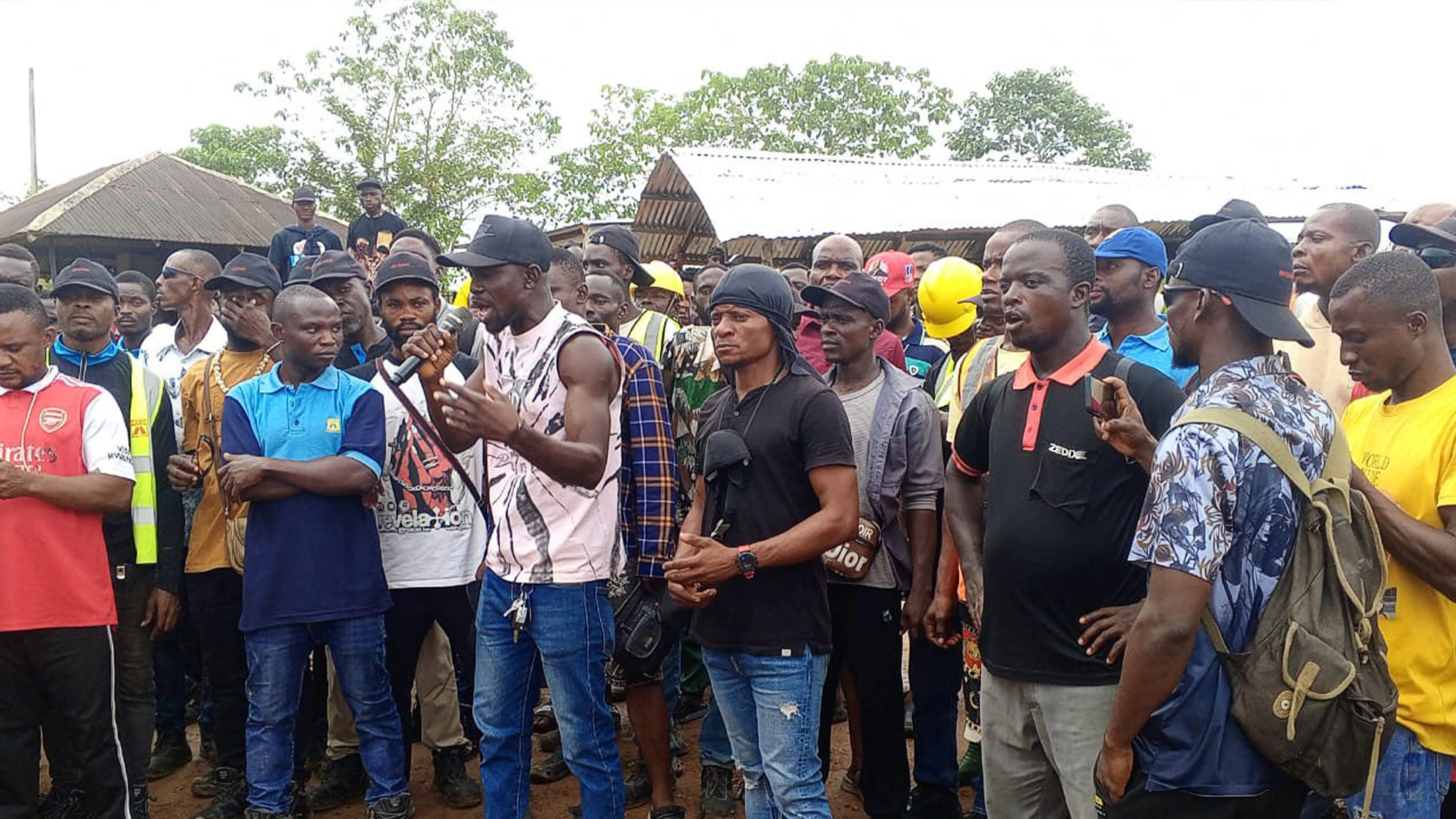
Work on Section 3B of the Lagos-Calabar Coastal Highway project in Cross River State has been disrupted after about 600 workers of Hitech Construction Company embarked on a strike, demanding the removal of some expatriate managers and the reinstatement of the state liaison officer, Asuquo Ukpayang.
The workers began the protest on October 26 at the company’s project yard in Awi, Akamkpa Local Government Area, accusing the management, led by Lebanese expatriates, of intimidation, arbitrary salary deductions, unfair treatment and poor working conditions.
The protesting workers, who gathered at the facility yesterday, vowed to sustain the action until the company addressed their grievances.
Military personnel were deployed to provide security around the construction yard.
Speaking with journalists, a quality control and laboratory worker, Esikere Peter, alleged that the company had reduced paid working hours from between four and eight hours to two hours, resulting in significant cuts in workers’ earnings.
He also claimed that night shifts had been removed from workers’ records, despite some employees continuing to work until 11:00 p.m. without corresponding payment.

Peter accused the project manager of arbitrary dismissals, intimidation and penalising workers who requested materials needed to perform their duties.
“We are demanding the removal of the project manager, the site manager, and the earth-moving supervisor, who have continuously treated workers unfairly. We are not protesting to destroy property or cause violence. We just want Nigerian workers to be treated fairly and with dignity,” he said.
A trailer driver, Stephen Oke, also accused the expatriate managers of intimidating and maltreating Nigerian workers, despite their role in carrying out much of the construction work under difficult conditions.
“Nigerian labourers do all the work in harsh conditions, yet we are cheated, shortchanged and underpaid,” he alleged, calling on the company’s management to intervene.
Similarly, an earth-moving and level-checking worker, Ana Matthew, alleged that employees worked under harsh weather conditions without adequate shelter. He also accused the management of using military personnel to intimidate workers.
Matthew complained that workers’ earnings had been reduced despite their working during the day and at night. He further alleged that scrap materials previously shared among workers were being sold without their consent. He called for the return of personnel familiar with the project’s foundation, noting that workers had supported the coastal highway project because of its importance to road connectivity in the Niger Delta.
Some female workers also complained about inadequate welfare facilities, alleging that the company had failed to provide separate restrooms for women, while expatriate staff had access to multiple facilities.
The workers further alleged that the expatriates refused to work with Mr Asuquo Ukpayang, the State Liaison Officer for the project, and imposed a Community Liaison Officer they could control.
Reacting, Ukpayang expressed solidarity with the workers, confirming complaints about salary deductions and unpaid entitlements.
He disclosed that the wife of the State Governor, Eyoanwan Otu, had earlier communicated workers’ welfare concerns to Hitech management, urging equitable treatment.
Ukpayang promised to engage the company’s senior management, the Federal Controller of Works and the Minister of Works to facilitate dialogue and resolve the dispute.
He urged the workers to remain peaceful and nominate representatives for negotiations, assuring them that their grievances would be presented to the relevant authorities and that legitimate outstanding payments would be addressed.
As of press time, work at the project yard remained paralysed, with the workers insisting that they would not resume until their demands were met.

