 Follow Us on Google News


 Follow Us on Google Discover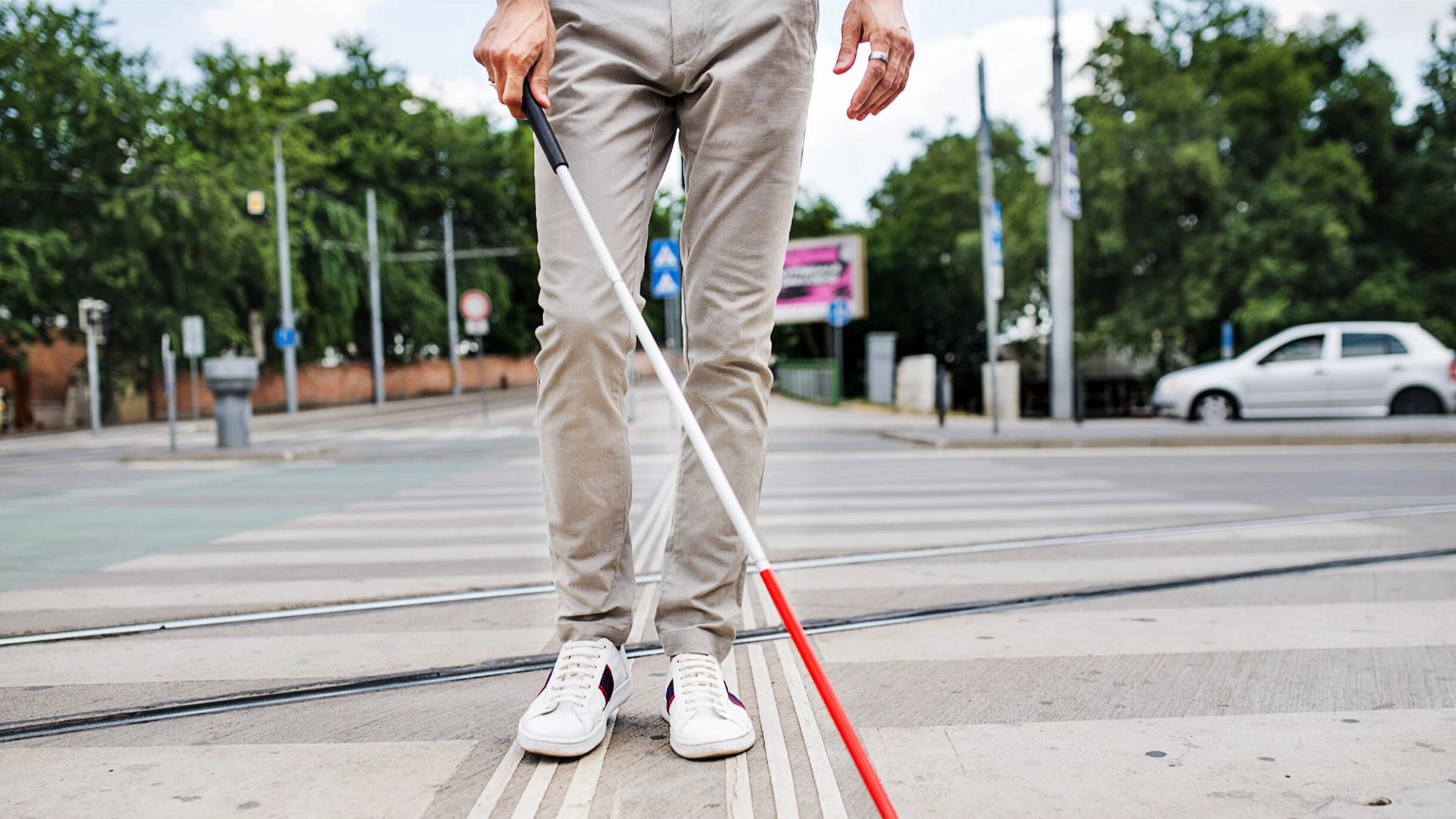
For Chidinma, a simple journey to fetch water became a painful reminder of the challenges faced by visually impaired persons when she fell into a gutter because she had no walking cane.
Years later, that experience has become part of the inspiration behind an initiative that has provided 80 visually impaired students with white canes and other assistive devices to support their education and independence.
The Human Baseline Initiative (HBI), a United States-based charity organisation, in partnership with Hope Givers Initiative (HoG-I), donated the devices to the students at a ceremony held at the Nnamdi Azikiwe University Auditorium, Awka, Anambra State.
The items included white canes, power banks, voice recorders, digital keyboards, wireless phone chargers and noise-cancelling headsets.
The initiative, themed: “Building Access, Digital Empowerment,” was sponsored by HBI founder, Chiadika Eleh, in partnership with HoG-I.
Eleh, who was represented by her father, Emeka Eleh, said she felt fulfilled seeing her long-held dream of supporting less privileged persons become a reality.
She recalled her experience working with Google on digital accessibility, particularly efforts to make technology and everyday life easier for persons living with disabilities.
According to her, the donation was intended to go beyond a one-off intervention by creating sustainable access to resources that would enable visually impaired and other disabled students to pursue their educational and entrepreneurial ambitions.
For Executive Director and founder of HoG-I, Okey-Udegbunam, Chidinma’s experience demonstrated why assistive devices could make a profound difference in the lives of visually impaired persons.
She said 80 people applied for the devices, describing the white cane as a basic but essential tool that could help bridge the gap between ability and opportunity.
The Vice Chancellor of Nnamdi Azikiwe University, Prof Stanley Anyaehie, represented by the Director of the Centre for Disability and Special Needs Research (CENDASNER), Dr Obinna Anachuna, commended the organisations for the gesture and expressed hope for stronger collaboration with the university to improve the welfare of students with special needs.
He said the university provides opportunities without discrimination, stressing that “we are all able, but abled differently.”
Also speaking, former Anambra State Commissioner for Women Affairs and Social Welfare, Ify Obinabo, described the donation as an expression of hope and urged the students not to regard visual impairment as a weakness.
For Chidinma, the beneficiary whose experience partly inspired the initiative, the donation was deeply personal. She recalled that HoG-I gave her the first white cane she used in her first year and expressed gratitude to the sponsors for helping visually impaired students move with greater confidence.

