
 Get Guardian on Google
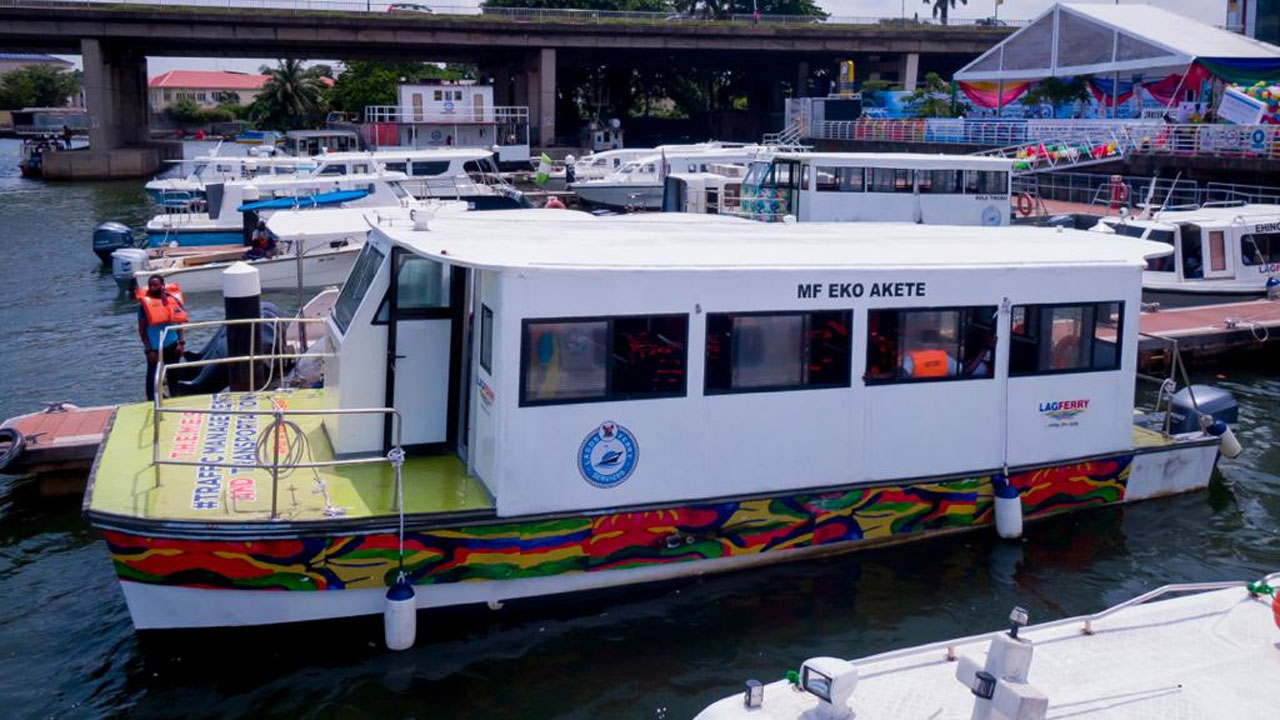
Boat operators in Lagos State have called on the incoming administration to invest more in water transportation infrastructure, provide financial support and introduce subsidies on boat engines to sustain the sector’s growth and improve operators’ livelihoods.
The operators, under the Association of Tourist Boat Operators and Water Transporters of Nigeria (ATBOWATON), Lagos State Chapter, also urged the government to establish more jetties and fuel stations, particularly in underserved and remote communities, to improve access to water transportation.
They further appealed for flexible loan repayment arrangements to help operators whose businesses had suffered setbacks following boat accidents, damaged vessels and faulty engines.
The demands were made at a political awareness programme organised by ATBOWATON in collaboration with its national leadership at the weekend. The event brought together boat operators, government representatives and other stakeholders to discuss the future of water transportation and the blue economy in Lagos.
Speaking at the programme, the Deputy Chairman of ATBOWATON, Lagos State Chapter, Babatunde Segun, acknowledged the outgoing administration’s contributions to water transportation but urged its successor to consolidate the achievements and extend infrastructure to communities still lacking adequate facilities.
Segun said limited access to jetties and fuel stations remained a major challenge for operators in remote areas, adding that inadequate financial support had also made it difficult for some to sustain their businesses.
He explained that some operators had lost their boats or were struggling with defective engines, leaving them unable to operate at full capacity and threatening their sources of livelihood.
He, therefore, called for government subsidies on boat engines and flexible repayment schemes to enable affected operators to replace damaged equipment, rebuild their businesses and remain active in the industry.
Segun also urged the incoming administration to sustain investments in waterway safety, security, youth employment and tourism, noting that a stronger water transport system would create jobs, improve passenger safety and ease pressure on Lagos roads.
The Founding National Chairman of ATBOWATON, Dr Tarzan Balogun, stressed the need to make passenger safety the industry’s foremost priority, warning that frequent accidents could erode public confidence and discourage patronage.

He urged operators to ensure that passengers felt safe and comfortable throughout their journeys, while calling for stronger collaboration among the federal, state and local governments to address challenges confronting the sector.
Also speaking, the Chairman of Oriade Local Council Development Area, Rasaq Olotede, highlighted the provision of terminals at Ilashe, Ibeshe and Kirikiri Town as part of efforts to support water transportation in the area.
He commended boat operators for complying with safety regulations, particularly the use of life jackets, and acknowledged the roles of the Lagos State Waterways Authority (LASWA) and the Marine Police in monitoring activities on the waterways.
Olotede also praised successive Lagos administrations for investing in water transportation infrastructure, particularly the construction of jetties and terminals across the Badagry Division.
In his keynote address, the Lagos State Governor’s Special Adviser on Blue Economy, Oluwadamilola Emmanuel, reaffirmed the government’s commitment to positioning the state as a leading hub for maritime development and water transportation.
He identified the Omi Eko Project as a major initiative aimed at transforming the sector through modern ferry infrastructure, electric-powered vessels, improved terminals, waterway dredging and digital transportation systems.
Emmanuel, however, emphasised that existing boat operators must not be left out of the opportunities emerging from the transformation of the sector.
He urged them to embrace professionalism, prioritise safety, comply with regulatory standards and remain open to innovation and modern operating practices.
He also encouraged members of the association to stay informed about political developments and participate actively in the democratic process, noting that government policies had direct implications for their businesses and livelihoods.