 Follow Us on Google News



 Follow Us on Google Discover
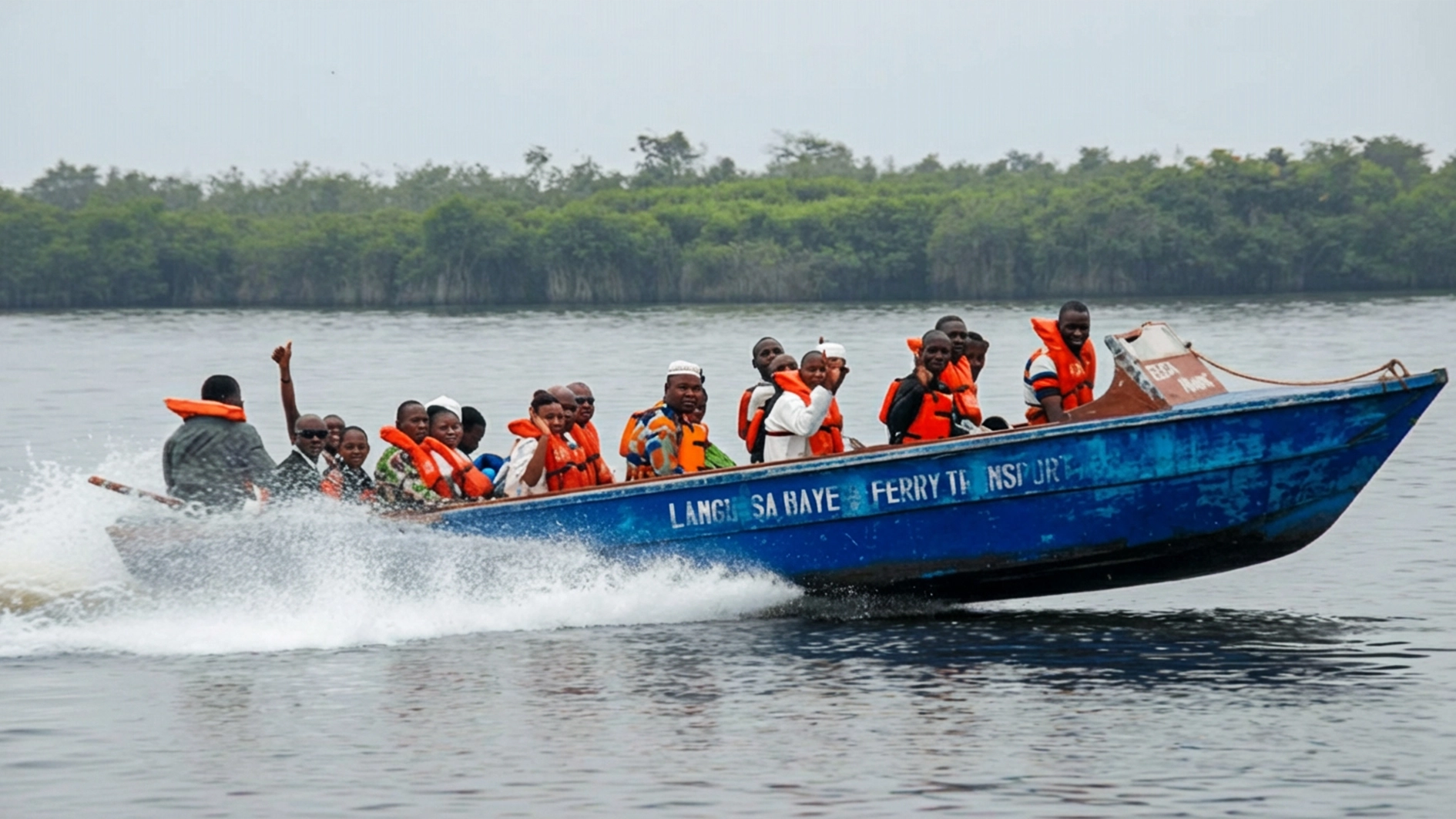
Commuters are abandoning water transportation in favour of road and rail alternatives due to high passenger fares driven by rising fuel prices and operational costs.
Boat owners and operators in Lagos lamented that road and rail alternatives have become cheaper for passengers, leading to a decline in patronage on several waterways routes.
This, they noted, has left some boat services inactive, threatening their survival as businesses and forcing operators to consider alternative livelihoods.
The National Bureau of Statistics (NBS) Transport Fare Watch had reported a 30.88 per cent year-on-year increase in waterway passenger fares, with data showing that the average fare for waterway passenger transportation rose from N1,739.32 in May 2025 to N2,276.48 in May 2026,
Secretary of the Association of Tourist Boat Operators and Water Transporters of Nigeria (ATBOWATON), Lagos Chapter, Ayomikun Aworetan, explained that commuting from CMS to the Badagry axis by other alternatives costs about N1,000 via train to Mile 2, with the connecting road journey from Mile 2 to Badagry costing approximately N2,000.
He said in comparison, a boat trip from CMS to Badagry cost about N7,000, making other transport alternatives economical.

Aworetan stated that water transport operators were struggling to compete with road and rail services due to fare disparities, putting them under increasing financial pressure.
Aworetan explained that some commuters had little choice but to use the waterways because of traffic congestion, noting that others were increasingly opting for road transportation where improved infrastructure offered cheaper and more convenient alternatives.
He identified the Ikorodu corridor as one of the routes where water transportation remained important because of limited road alternatives and persistent traffic congestion.
According to him, commuters travelling from Ikorodu to Victoria Island could arrive in about 30 minutes by boat, compared with the longer journey by road through Fadeyi, Costain and CMS.
He said the route continued to attract passengers because of the time saved, particularly for workers and business owners.
Secretary of the Maritime Workers Union of Nigeria (MWUN), Liverpool Boat Unit, Stephen Ayodeji, said rising fuel prices have increased the cost of operating boats and pushed up fares, discouraging passengers from travelling by water as frequently as before.
Ayodeji noted that the Liverpool–Badagry and Liverpool–Agbara routes had become largely inactive following improvements to the roads serving the areas.
According to him, operators had not offered regular boat services from Liverpool to Badagry for about 10 months, as passengers increasingly preferred road transportation due to its lower cost.
Ayodeji added that private boat services from Liverpool to CMS were no longer operating regularly, while trips to Ikorodu had become infrequent.
The boat operators and owners called for subsidies to cushion the impact of rising fuel costs, make fares more affordable, and restore patronage, warning that the survival of water transport businesses depended in part on their ability to compete with alternative modes of transportation.
They argued that government subsidies would help reduce the cost of water transportation, attract more passengers and enable operators to remain in business.

