 Follow Us on Google News
 Follow Us on Google Discover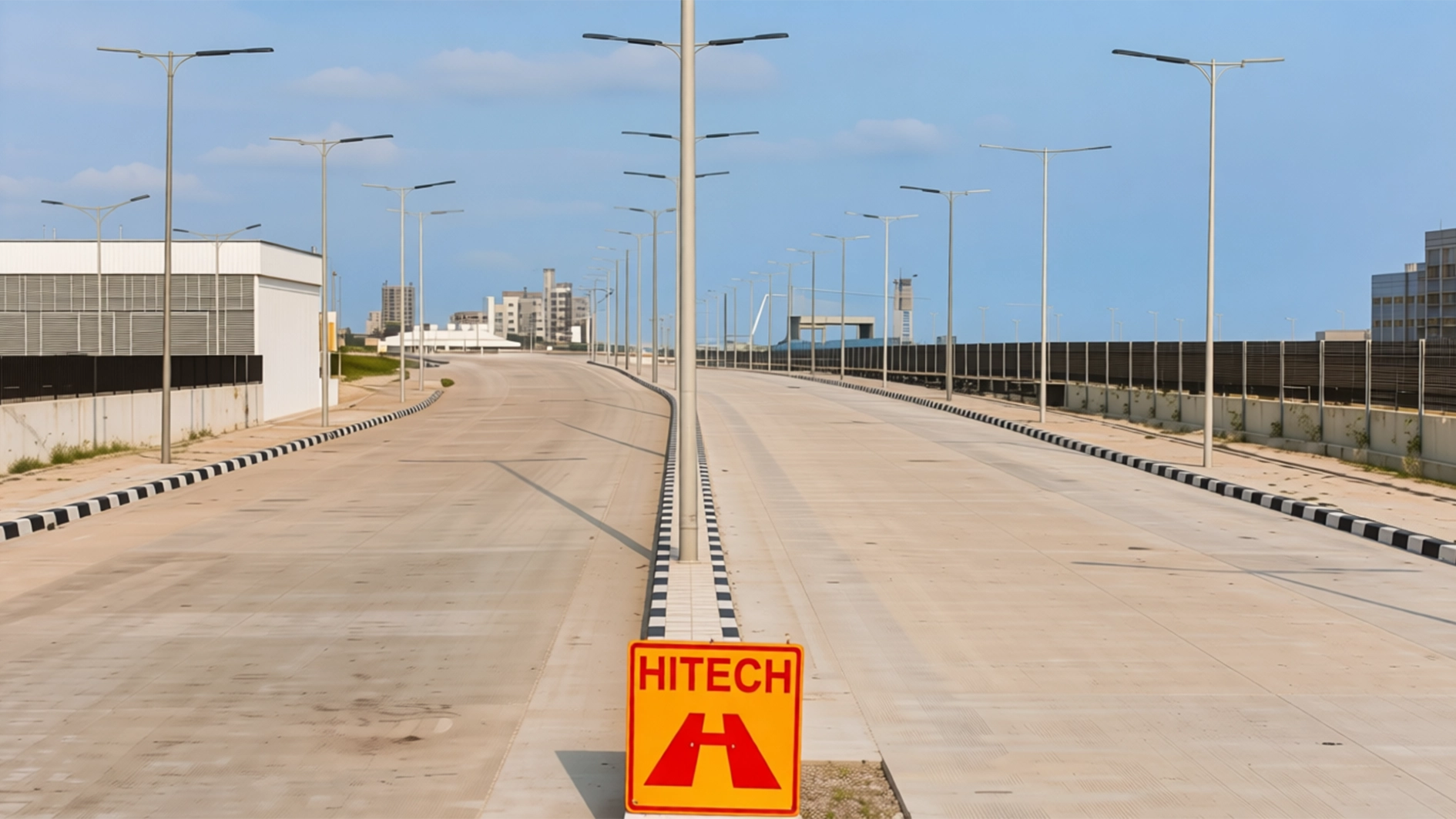
The sprawling Lagos-Calabar Coastal Highway may be designed to transform transportation and connectivity along Nigeria’s coastline, but security concerns are already emerging around the massive infrastructure project, with the Nigeria Security and Civil Defence Corps (NSCDC) calling for a multi-agency approach to protect it from vandals and other criminal elements.
The NSCDC Lagos State Command made the call after a joint inspection of the Lagos section of the 750-kilometre highway, during which security officials and the Federal Controller of Works, Lagos State, Olufemi Dare, assessed the extent of ongoing construction and identified areas requiring greater protection.
The inspection covered an 18-kilometre stretch of the highway, beginning from Okun-Ajah and ending at Oniru, around the Rain Oil area.
The Lagos-Calabar Coastal Highway, which starts from Victoria Island, Lagos, and stretches to Calabar in Cross River State, is regarded as a major national infrastructure project. Given its scale and strategic importance, the NSCDC said it should be treated as a Critical National Asset and Infrastructure requiring coordinated protection.
Leading the inspection team were the Lagos State Commandant of the NSCDC, Mr Adedotun Keshinro, the Federal Controller of Works in Lagos State, Engr. Dare, and the officer in charge of the coastal road from the Nigeria Police Force.
Dare, who led the team through the construction corridor, reaffirmed the Federal Government’s determination to protect the integrity of the project.
He said the directive of the Minister of Works, Dave Umahi, to ensure the protection of the road remained sacrosanct.
The inspection also offered the officials an opportunity to see first-hand the scale of construction taking place along the corridor, including flyovers, interchanges and deep-piled bridge infrastructure.
But beneath the impressive engineering works lies another challenge: the protection of construction materials and infrastructure from criminal activities.
The NSCDC Commandant said the Corps remained committed to protecting critical national assets and infrastructure across Lagos State, stressing that safeguarding the coastal highway would require more than the efforts of a single security agency.
Keshinro therefore recommended a multi-agency security strategy involving relevant security agencies, government authorities and community stakeholders.
According to him, such collaboration would help tackle vandalism and other criminal activities along the highway more effectively.
The inspection team also observed several forms of criminal activity reportedly occurring along the road. These include vandalism, theft of manhole covers and iron rods, destruction of fencing and stripping of construction materials.
Illegal traffic operations were also identified as a concern, particularly the creation of unauthorised U-turns along the highway.
For the NSCDC, the concerns highlight the need to secure the project before criminal activities become entrenched and begin to undermine the huge public investment in the coastal highway.
The Corps said stronger collaboration among security agencies and communities along the route would be critical to protecting the infrastructure and ensuring that the project delivers its intended benefits to Nigerians.

