 Follow Us on Google News
 Follow Us on Google Discover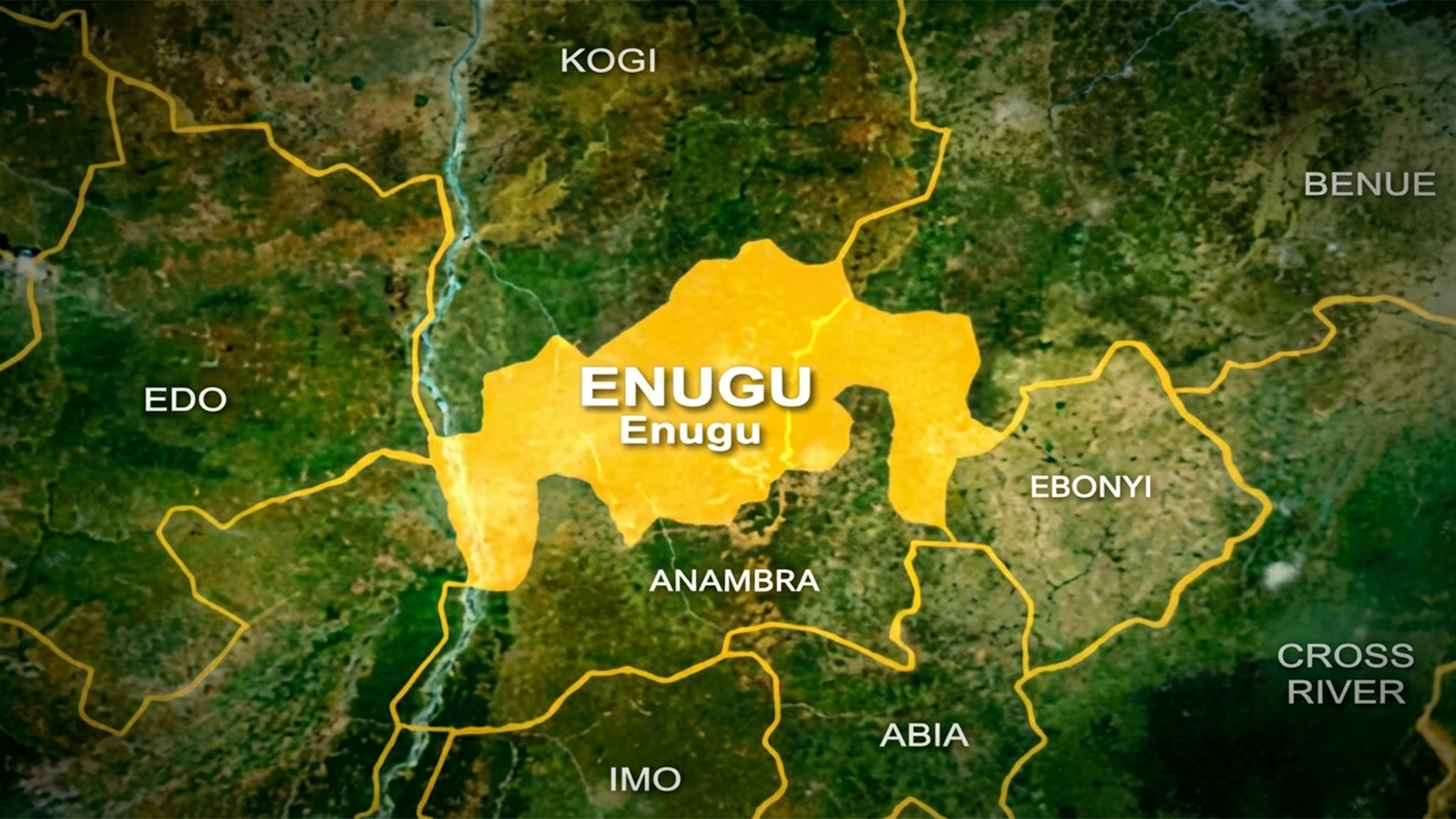
The United States has awarded a $125,000 Ambassadors Fund for Cultural Preservation (AFCP) grant to the Center for Memories in Enugu to support the digital documentation and physical preservation of the historic Lejja Iron-Smelting Site in Enugu State.
“The Nchekwaba: Lejja Iron-Smelting” project will support the conservation, 3D digital documentation, and physical preservation of the site, which dates to approximately 2000 BC and offers important evidence of Nigeria’s long history of technological innovation and ingenuity.
The project’s implementation by the Center for Memories, led by United States exchange alumnus, Iheanyi Igboko, reflects the enduring connections forged through the Cultural Heritage Forward program, which is funded by the American Department of State and organised in partnership with the Smithsonian Institution. The year-long program connects Smithsonian experts with Nigerian museum professionals and community-based heritage practitioners to exchange expertise, strengthen professional networks, and advance the preservation of Nigeria’s cultural heritage.
United States Consul, General Brandon Hudspeth launched the project in Lagos at a ceremony when he noted that the Lejja Iron-Smelting Site tells a 4,000-year-old story of ingenuity, innovation and technological sophistication. He explained that the AFCP grant, awarded to the Center for Memories, builds on a longstanding United States-Nigeria partnership to protect and preserve Nigeria’s cultural heritage.
He also expressed the United States government’s commitment to working with Nigerian cultural heritage professionals and institutions.
“The United States has invested approximately $1.2 million in cultural heritage preservation projects in Nigeria over the past five years, primarily through the Ambassadors Fund for Cultural Preservation. This is not aid, this is a strategic economic intervention that advances the interests of Americans, Nigerians, and the global community,” he said.
The launch event was attended by Enugu State Deputy Governor, Ifeanyi Ossai and representatives of the Federal Ministry of Arts, Culture, Tourism and the Creative Economy; the National Commission for Museums and Monuments; the International Council on Monuments and Sites (ICOMOS) Nigeria; the Smithsonian Institution’s National Museum of African Art; and the Center for Memories. Executive Director of the Centre for Memories, Iheanyi Igboko, thanked the Federal Government, the Enugu State Government and its local partners for their outstanding support for the initiative.
He explained that the project will preserve not only Lejja’s archaeological remains but also the living knowledge, oral histories, traditions, and community practices that give the site its meaning. “Lejja was not discovered by this project, the community was already there, the researchers were already there, and the knowledge was already there. Our role is to bring these efforts together and build the institutional and technical framework through which Lejja can be preserved and shared with the world.”

This and other AFCP grants strengthen U.S-Nigeria relations by safeguarding shared cultural heritage, fostering closer ties among our populations, and supporting sustainable preservation efforts that can economically benefit communities in both nations.
The United States and Nigeria also work together under a Cultural Property Agreement signed in 2022. The agreement restricts the importation of certain Nigerian archaeological and ethnological materials into the United States to help combat looting and trafficking of cultural property, while strengthening law enforcement cooperation and cultural exchange.
The United States Mission recently began discussions with Nigerian officials on efforts to extend the agreement for another five years, underscoring the continued importance the United States places on protecting Nigeria’s cultural heritage.

