
 Get Guardian on Google
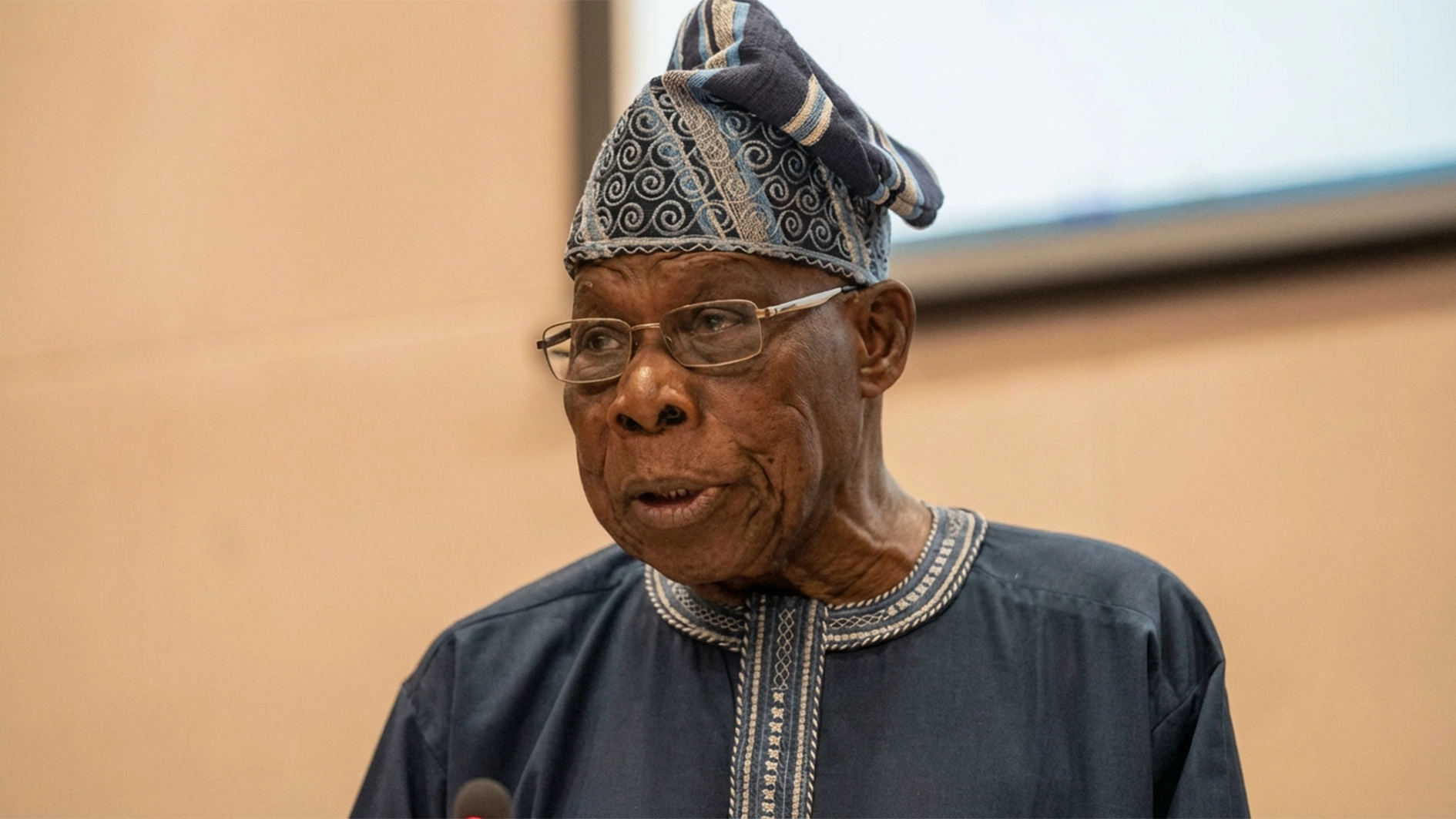
Former President and Head of State, Chief Olusegun Obasanjo, has warned that many of the underlying conditions that culminated in Nigeria’s 1967 Civil War remain unresolved, cautioning that the country may not survive another armed conflict.
Obasanjo made the remarks yesterday in Abeokuta during the presentation of books, research materials, documentary videos and eyewitness interviews chronicling the Asaba Massacre and related events of the Nigerian Civil War.
The archival materials were compiled by the Chairman of the Asaba Memorial Trust and Asaba Image Branding and Project Committee, Chief Chuck Nduka-Eze, and presented to the former President for preservation at the Olusegun Obasanjo Presidential Library (OOPL).
The former President stressed that preserving historical records was essential for national healing, reconciliation, and the prevention of the recurrence of tragic events.
Reflecting on his role as a military commander during the war, Obasanjo acknowledged that although he served in the conflict, he could not provide detailed accounts of the Asaba incident because military operations in the area were under the command of the late General Murtala Mohammed.
He, however, emphasised the need for an honest examination of the events of the war and the responsibilities of military commanders, noting that accountability remained crucial in understanding the nation’s history.
Obasanjo recalled that toward the closing stages of the war, he was assigned responsibilities aimed at preventing further civilian killings, insisting that abuses committed by soldiers were never officially sanctioned.
He recounted intervening personally to stop a soldier from assaulting a civilian, describing the incident as an example of the importance of leadership accountability during armed conflict.
The former President also noted that former Head of State, General Yakubu Gowon, had publicly acknowledged and apologised for the excesses of the civil war, maintaining that atrocities committed during the conflict were neither ordered nor condoned by the highest military leadership.
He described the prospect of another civil war as unimaginable, saying the country had already fought “one civil war too many.”
Earlier, Nduka-Eze said unresolved ethnic mistrust, grievances arising from Nigeria’s first military coup in January 1966 and the failure to enforce accountability were among the major factors that culminated in the Civil War and the Asaba Massacre.
He agreed with Obasanjo that many of the issues that precipitated the conflict remain unresolved and continue to threaten national cohesion.
According to him, ethnic suspicion predated Nigeria’s independence, arguing that discriminatory attitudes among the country’s ethnic groups laid the foundation for future conflicts.
He cited what he described as a public statement allegedly made in the 1950s by the Sultan of Sokoto, suggesting that an Igbo applicant could be denied employment in Northern Nigeria in favour of an expatriate where no Hausa or Fulani candidate was available.