 Follow Us on Google News
 Follow Us on Google Discover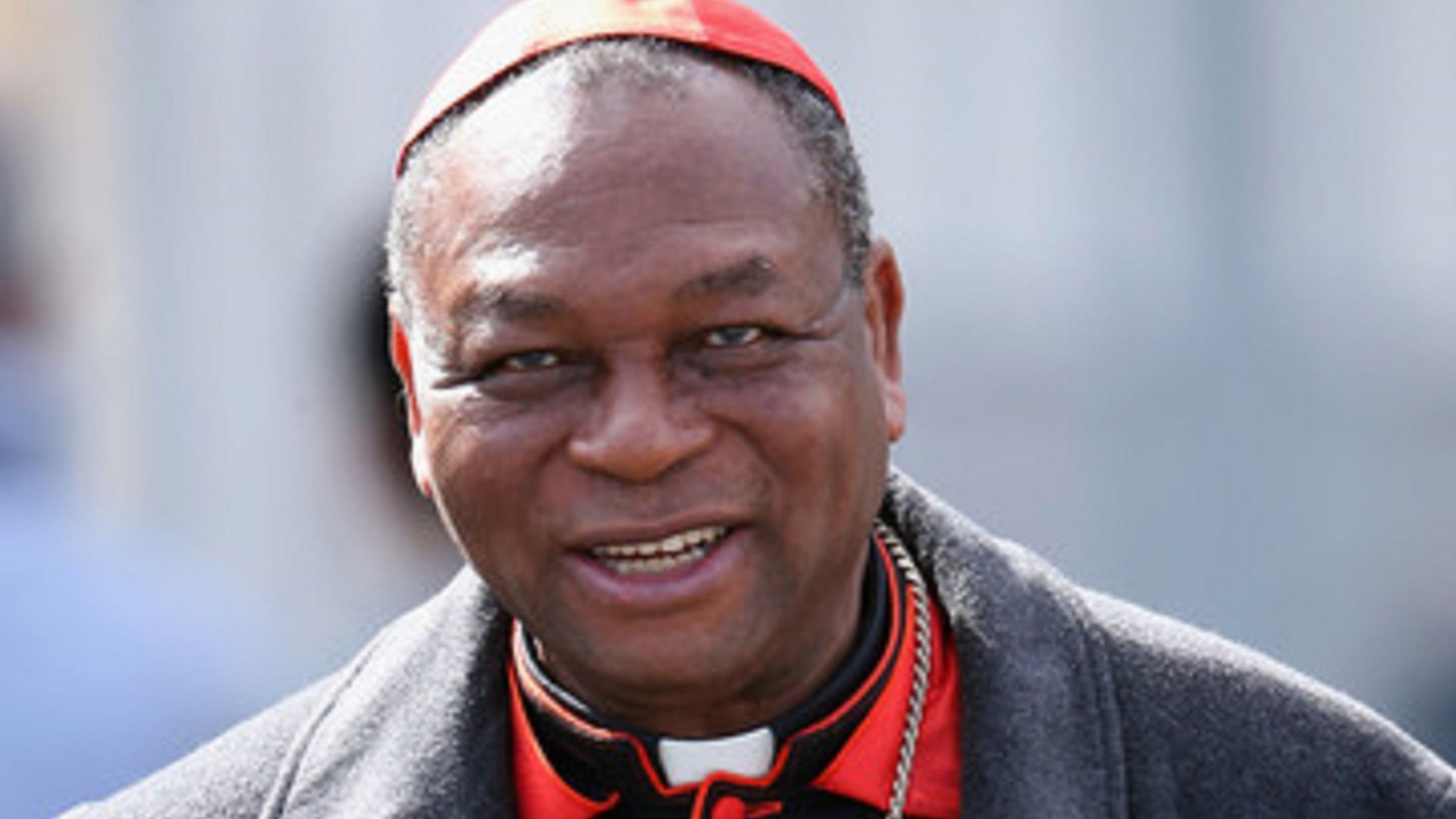
Archbishop emeritus of the Catholic Archdiocese of Abuja, John Cardinal Onaiyekan, has urged Nigerians to end the culture of silence and demand accountability from elected leaders at all levels of government.
Speaking yesterday at the Law Campus of Ave Maria University, Abuja, during a ceremony organised to celebrate the 70th birthday of the Bishop of Nsukka Diocese, Prof. Godfrey Onah, Onaiyekan emphasised that Nigerians must stop behaving as though they were powerless citizens unable to question those elected to govern them.
He stressed that public officials were elected to serve the people and must therefore be held accountable for their actions and policies. He further called for stronger mechanisms through which citizens could hold public officials, from councillors to the president, accountable.
“We elect people into government and then they become our lord and master; they do whatever they like, and we keep quiet, and are told to go to court. Now, we cannot continue like that,” he said.
Meanwhile, Onaiyekan commended Nigerians who had increasingly spoken out on national issues, saying their willingness to challenge the status quo offered hope that the culture of silence was gradually changing.
He further defended the right of Catholic bishops to criticise government policies they consider detrimental to the welfare of citizens, noting that such interventions should not be misconstrued as undue political involvement but as part of the Church’s responsibility to speak to the conscience of society.

The cleric also dismissed concerns over criticism and insults directed at him following his interventions on national affairs, saying the support he had received from Nigerians was enough encouragement.
On his part, Bishop Onah cautioned against reducing the Church’s interventions in public affairs to political criticism of government, noting that the primary mission of bishops was to speak to the consciences of people and encourage them to become better human beings and citizens.
According to him, the message was fundamentally about Christian life, with political and public issues only forming part of its broader application.
He warned against focusing only on the portions of church sermons that address government while ignoring the larger messages directed at the moral transformation of citizens.
Meanwhile, Onah, who made an on-the-spot assessment of the level of progress at the university, argued that the quality of governance in Nigeria was also a reflection of the character of its citizens, stressing that better citizens would ultimately produce better politics and governance.
Earlier, the Vice-Chancellor, Prof. Ignatius Onimawo, described Onah’s visit as an important moment for an institution committed to combining academic excellence with moral and spiritual formation.
He said the institution currently offers over 30 programmes across disciplines, including medicine, law, computing, administration, management, international relations, sciences and social sciences.
The management said the varsity’s broader objective was to develop graduates capable of providing innovative solutions to Nigeria’s challenges while upholding integrity, discipline and respect for human dignity.

