 Follow Us on Google News
 Follow Us on Google Discover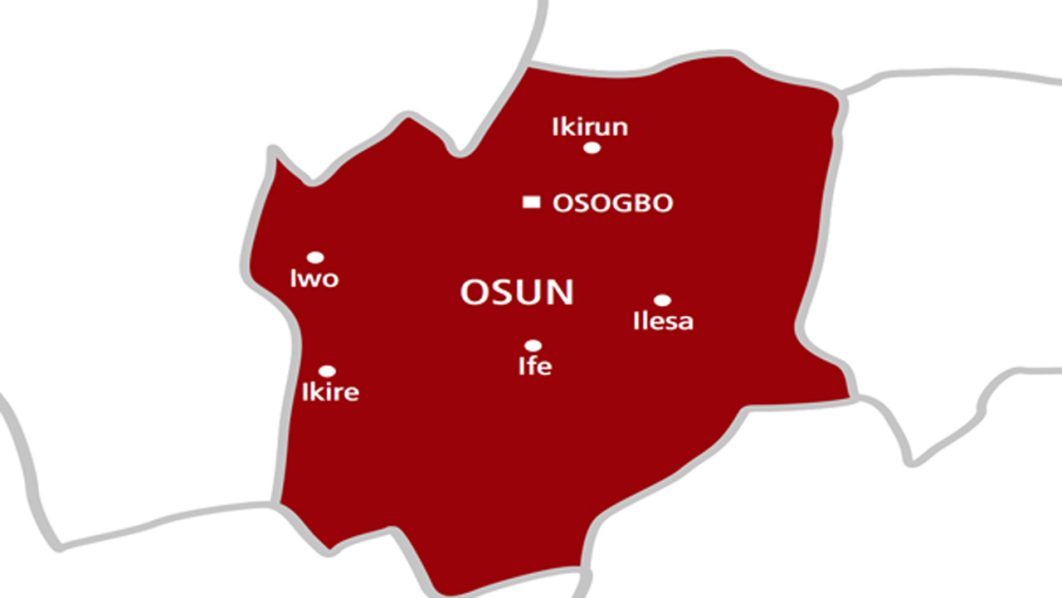
The Kimpact Development Initiative (KDI) has called for the prosecution of 295 people arrested for various election-related offences during the just-concluded Osun State governorship election.
The organisation had reported 17 election-related violence incidents across 10 local government areas during the 2026 Osun State governorship election, with more than 44 victims affected.
Presenting its post-election assessment at a press conference in Abuja, KDI, led by its Executive Director, Bukola Idowu, said it deployed 370 accredited observers across all 30 local government areas, 332 wards and 1,660 polling units.
According to the organisation, the 17 verified incidents involved gunshots, physical assaults, intimidation and harassment. Voting was disrupted at one polling unit in Ejigbo, where the election was subsequently cancelled.
It also reported cases of post-election violence and destruction of property in Ilesa, Iperindo, Atakumosa East, Modakeke and Ikire.
While commending security agencies for their deployment and professionalism, KDI said seven per cent of processed reports received through its Election Day Data Room indicated alleged interference in the electoral process by security personnel.

It listed Odo-Otin, Ifedayo, Ede South, Ifelodun, Atakumosa West, Oriade, Ife North, Obokun and Ilesa West among the areas where such reports were recorded.
The organisation, however, cautioned that the reports represented a minority of its observations and should not be generalised to the overall conduct of security agencies during the election.
KDI urged the police and other relevant authorities to investigate the reported incidents and ensure that electoral offenders faced prosecution. It also called for appropriate public information on the progress of the cases, subject to legal and investigative requirements.
Beyond security concerns, KDI identified vote-buying, technology failures and result-management issues as areas requiring attention ahead of the 2027 general elections.
The organisation said its observers recorded cases of voter inducement across the 30 local government areas, with party supporters accounting for 46.8 per cent of reported actors involved in inducement and party agents 29.8 per cent.
Voters and community leaders accounted for 10.6 per cent and 9.6 per cent respectively, it said.
KDI said inducements included food, drinks and cash payments ranging from N5,000 to N50,000, while alleged payments were sometimes facilitated away from polling units through vehicles, food vendors and provision shops.
On the Bimodal Voter Accreditation System (BVAS), the group said the technology successfully processed accreditation in 84.9 per cent of observed cases, leaving a 15.1 per cent failure rate.
It said fingerprint authentication posed particular difficulties, resulting in extensive reliance on facial recognition in some locations, while some elderly voters experienced difficulties with both methods.
KDI also raised concerns over the upload of results to the INEC Result Viewing (IReV) portal, saying there was an interruption from about 8:30 p.m. that lasted more than two hours without, according to its observers, any public explanation from the Independent National Electoral Commission (INEC).
Its independent analysis of results uploaded to IReV identified 260 polling units with arithmetic inconsistencies, 82 instances where accredited voters exceeded total votes cast and 11 polling units with registered-voter mismatches.
The organisation said the findings raised questions about the effectiveness of the electronic EC8A validation system and the process for reconciling discrepancies before results proceed through the collation process.
Despite the concerns, KDI said the Osun election demonstrated that Nigeria’s electoral institutions and stakeholders could conduct a competitive off-cycle election without widespread disruption on Election Day.
It said most polling units observed were able to conduct voting, election materials were available in the large majority of locations and the overall Election Day environment remained relatively peaceful.
KDI, however, warned that peaceful voting alone was not sufficient to establish electoral credibility.
It urged INEC to strengthen BVAS technical support, improve communication during IReV interruptions and clarify the validation and reconciliation rules surrounding the electronic EC8A.
The organisation called on security agencies to strengthen conflict-prevention mechanisms and ensure the prosecution of electoral offenders, while urging political parties to promote issue-based campaigns and deploy properly trained polling agents.
It said the lessons from the Osun election should be applied ahead of the 2027 general elections to strengthen Nigeria’s electoral safeguards.

