 Follow Us on Google News


 Follow Us on Google Discover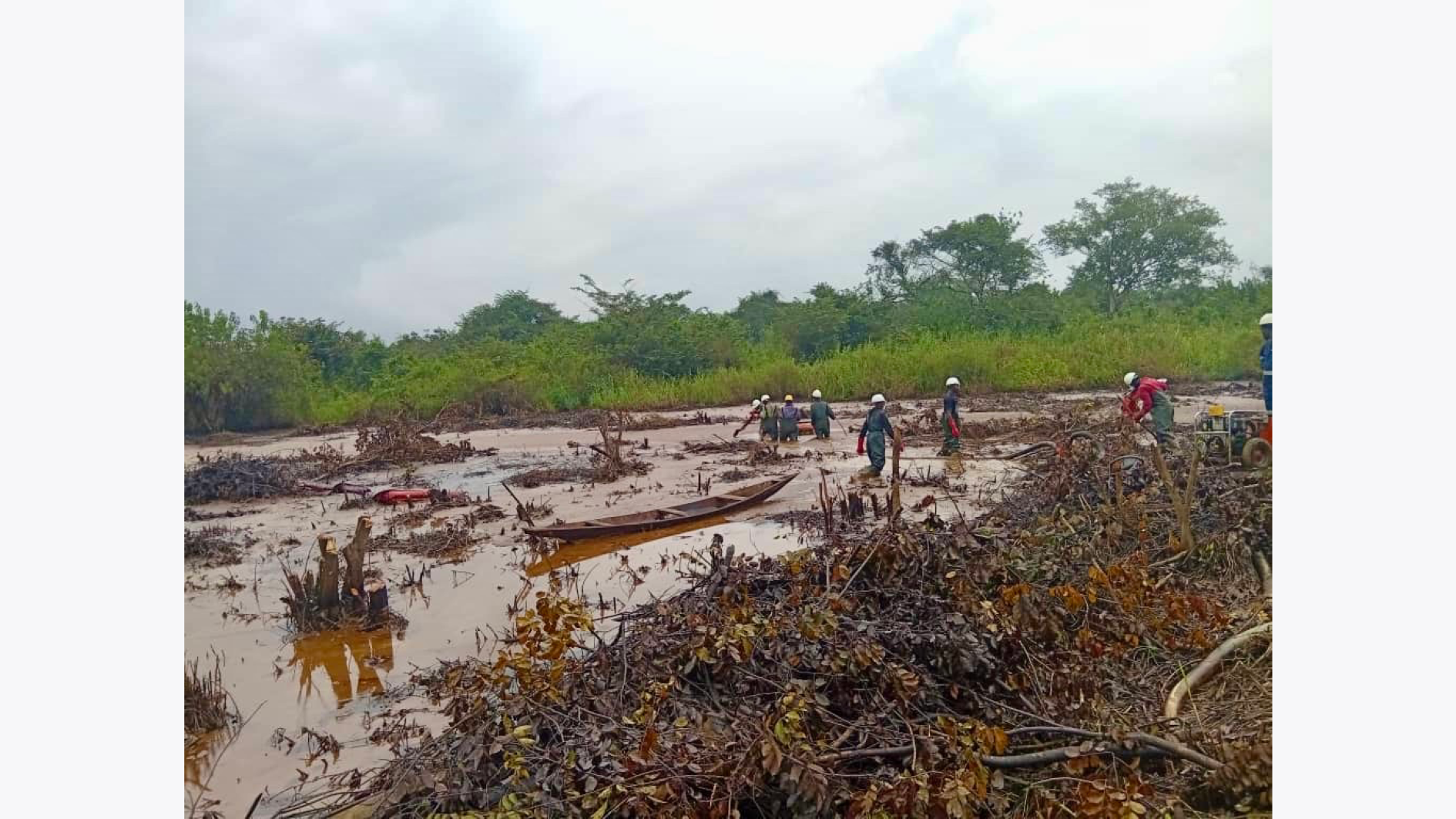
Nigeria’s rivers are facing growing pressure from pollution, untreated wastewater, indiscriminate dumping, erosion, sand mining, deforestation and the effects of climate change, the Minister of Water Resources and Sanitation, Prof. Joseph Terlumun Utsev, has said.
Utsev, who raised the alarm yesterday in Abuja while marking the 2026 World Rivers Day, said the deterioration of the country’s rivers poses risks to water security, public health, agriculture, livelihoods and biodiversity.
Speaking at a media briefing in Abuja, the minister said the theme of this year’s celebration, “No Forests, No Rivers, No Water, No Life,” underscores the connection between healthy ecosystems and sustainable water resources.
He said Nigeria’s rivers should not be viewed merely as waterways but as critical national assets that support agriculture, fisheries, domestic and industrial water supply, livelihoods, and economic activities.
“Healthy rivers depend on healthy catchments,” Utsev said, noting that forests, wetlands, floodplains and groundwater recharge areas play important roles in protecting river sources and regulating water flows.
He said the degradation of these natural systems had placed rivers and communities dependent on them under increasing pressure.

The minister listed population growth, rapid urbanisation, untreated wastewater, indiscriminate disposal of solid waste, agricultural runoff, erosion, and sand mining among the activities that put pressure on Nigeria’s waterways.
He added that changing rainfall patterns, flooding and drought associated with climate change were compounding the challenges. According to him, the situation requires a shift from fragmented interventions to integrated management of the country’s watersheds and water resources.
Utsev said the Federal Ministry of Water Resources and Sanitation is strengthening Integrated Water Resources Management and working with relevant agencies to protect and restore watersheds and river catchments.
He stressed that upstream activities could have consequences for communities downstream because rivers do not conform to administrative boundaries.

