 Follow Us on Google News



 Follow Us on Google Discover
• Researchers urge strengthening of hospitals ahead of super El Niño
• Summer heatwave linked to 50,000 deaths in Europe
Nigeria may record the world’s highest number of additional heat-related deaths, with an estimated 31,400 fatalities projected between September 2026 and February 2027 under a strong El Niño phenomenon.
Researchers at the University of Chicago’s Climate Impact Lab projected that the super El Niño could cause an estimated 451,000 additional heat-related deaths worldwide over the six months, with Nigeria expected to account for nearly half of the projected 66,800 deaths across four African countries identified as most vulnerable.
They urged governments in affected countries, including Nigeria, to strengthen hospital preparedness, establish cooling centres, provide early warnings and protect outdoor workers to reduce the risk of deaths from extreme heat.
According to the researchers, Nigeria, Sudan, Niger and Chad are projected to experience the highest heat-related mortality burden in Africa, with Sudan expected to record 17,500 additional deaths, followed by Niger with 10,000 and Chad with 8,000.
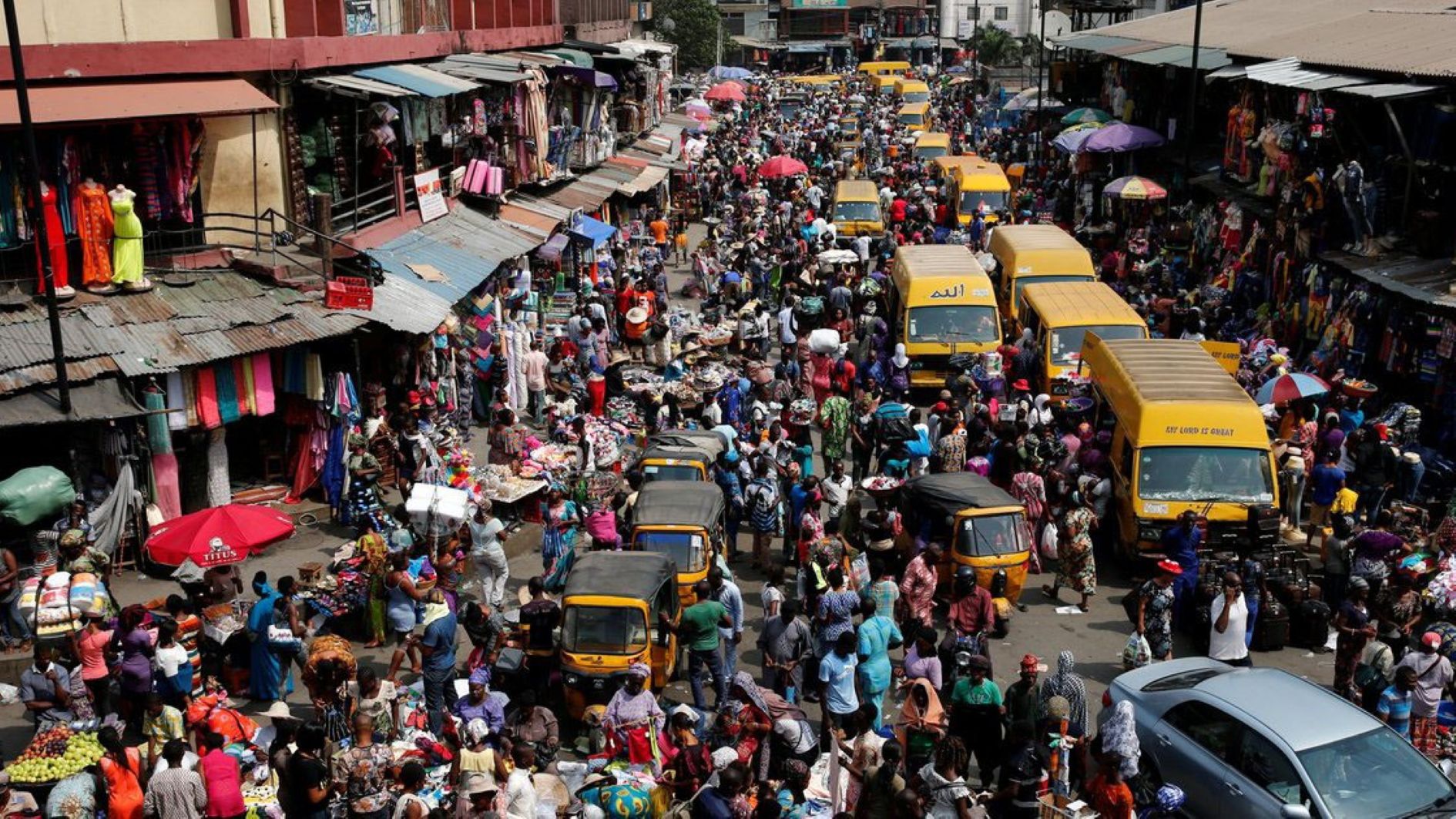
Nigeria, with an estimated population of 237.5 million, is projected to have the highest heat-related mortality worldwide under the super El Niño scenario, they said.

Super El Niño refers to an exceptionally strong episode of El Niño, which is a rare climate phenomenon that occurs when sea-surface temperatures in the central and eastern equatorial Pacific Ocean become warmer than normal, influencing weather patterns around the world.
The researchers attributed the region’s vulnerability to projected temperature increases across the Sahel, coupled with poverty, unreliable electricity and limited access to cooling facilities.
Explaining the risks facing Nigeria, the researchers noted that more than 60 per cent of the country’s population was estimated to be living below the national poverty line in 2025, while frequent power cuts could limit households’ ability to cope with extreme temperatures, even where electricity connections exist.
They said poorer populations were generally more likely to suffer heat-related deaths than people in wealthier regions exposed to similar temperatures because they had fewer resources to protect themselves.
MEANWHILE, this summer Europe experienced an estimated 50,000 heat-related deaths.
Europe is the world’s fastest-warming continent, and this summer was the region’s hottest on record, with new temperature highs set in several countries amid back-to-back heatwaves.
This year’s excess heat deaths were the worst this century, far exceeding the previous record of 29,000 heat-related deaths in the summer of 2022, according to two papers in the journal Nature Health.
Italy, France, Spain, Germany and the UK suffered the greatest number of excess deaths this summer due to hot conditions, according to estimates modelled by a team of scientists at Imperial College London and the London School of Hygiene and Tropical Medicine, as well as the universities of Copenhagen, Venice and Bern.
Clair Barnes, researcher at the Centre for Environmental Policy at Imperial College and an author of the papers, said the summer of 2026 “is likely to have been the worst on record for heat-related mortality across much of Europe”.

