 Get Guardian on Google
…States face six to 18 months of readiness tests, funding hurdles, infrastructure requirements
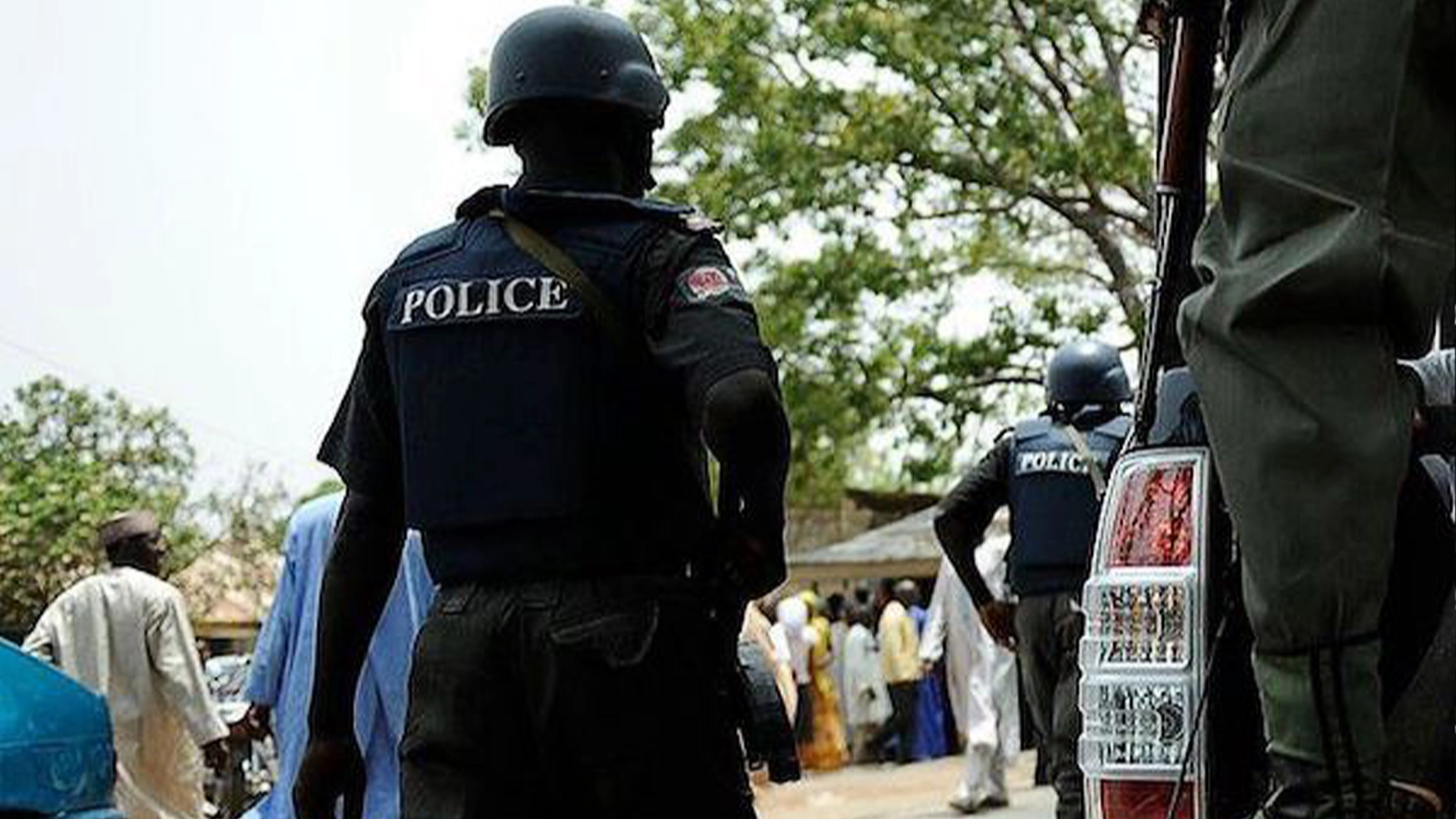
Although all 36 states have approved the establishment of state police, the proposed security arrangement may not become operational immediately after President Bola Tinubu assents to the legislation, as states will first have to satisfy a series of institutional, financial and operational requirements for certification.
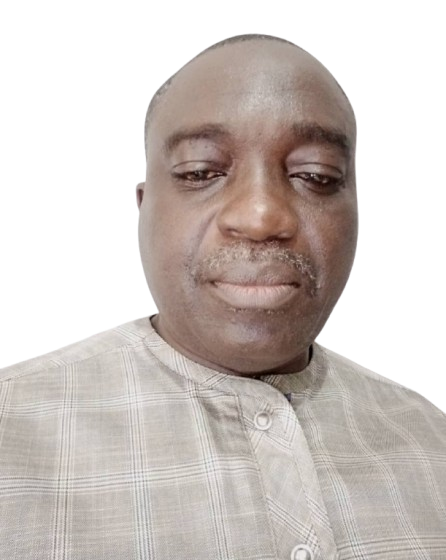
The Director-General of the National Institute of Police Studies (NIPS), Professor Olu Ogunsakin, who previously served as Technical Adviser to successive Inspectors-General of Police and currently heads the Nigeria Police Reform Secretariat, said presidential assent would only provide the legal foundation for state police, while actual take-off would depend on individual states meeting prescribed readiness requirements.
Ogunsakin, in a telephone conversation with The Guardian, said states will be required to establish the necessary administrative structures, including state police service commissions and other oversight bodies, while demonstrating their capacity to recruit, equip, train and maintain personnel before being authorised to operate their respective police formations.
He said some states could require between six and 18 months to meet the conditions, suggesting that the transition to a decentralised policing system would be gradual rather than simultaneous across the federation.
Ogunsakin explained that states would have to demonstrate that they possess adequate facilities, uniforms, armaments, equipment and trained personnel, alongside sustainable financial arrangements for running the new police formations.
He added that states would also be expected to make provisions for the payment of salaries and other operational costs, stressing that the financial implications of establishing a police institution could be substantial.
The proposed arrangement would therefore require governors to move beyond political endorsements of state police and demonstrate their commitment through concrete investments in security infrastructure and personnel welfare.
Ogunsakin said states unable to satisfy the requirements within the stipulated period would not be compelled to commence operations, as the existing federal police structure would continue to provide security in such jurisdictions until they are certified.
This means that the passage of the legislation will not automatically translate into the immediate withdrawal or replacement of the Nigeria Police Force in any state.
Rather, the new framework is expected to introduce a dual policing arrangement in which federal and state police formations operate alongside each other, with the federal police retaining its national responsibilities and presence across the federation.
Under the proposed structure, each state is expected to have a police chief responsible for its state police operations, while the federal police will maintain its own command structure and responsibilities.
Ogunsakin disclosed that no state was expected to complete the certification process before March or April, given the scale of institutional preparations and the requirements involved.
Beyond establishing the necessary structures, states will also have to demonstrate that they can sustain the new institutions financially, raising questions about the capacity of less financially buoyant states to establish and maintain independent police formations.
Although the framework is expected to create opportunities for states to engage consultants and technical experts to assist with institutional development, procurement, training and certification, Ogunsakin noted that the exercise would be demanding and time-consuming.
He said states could seek professional assistance in preparing their documentation, establishing the required institutions and meeting the certification standards. However, the process would have to be undertaken on a state-by-state basis, as available technical and human resources might not permit simultaneous assistance to all 36 states.
The financial question remains particularly important, as the proposed arrangement places considerable responsibility on state governments to determine how they will fund recruitment, training, salaries, equipment and other operational requirements.
Ogunsakin said states would have to develop their respective funding arrangements, adding that the option of retaining federal police operations would remain available to any state that was not ready to establish its own force.
Meanwhile, concerns over the possibility of governors abusing state police for political purposes have continued to feature in the debate surrounding the proposed reform.
However, Ogunsakin argued that the performance of state police would ultimately have implications for the security and economic fortunes of individual states. He warned that any government that compromised policing for personal or political interests could undermine public confidence, encourage criminality and discourage investment.
The argument underscores the importance of establishing effective institutional safeguards, professional standards and accountability mechanisms to prevent the new police formations from becoming instruments of political control.
With the proposed legislation awaiting presidential assent, attention is expected to shift from the political consensus supporting state police to the practical capacity of individual states to meet the conditions for implementation.
For the governors, the immediate challenge will be to demonstrate that their administrations possess not only the political will but also the financial resources, institutional capacity and operational preparedness to take responsibility for policing their respective states.