 Follow Us on Google News



 Follow Us on Google Discover
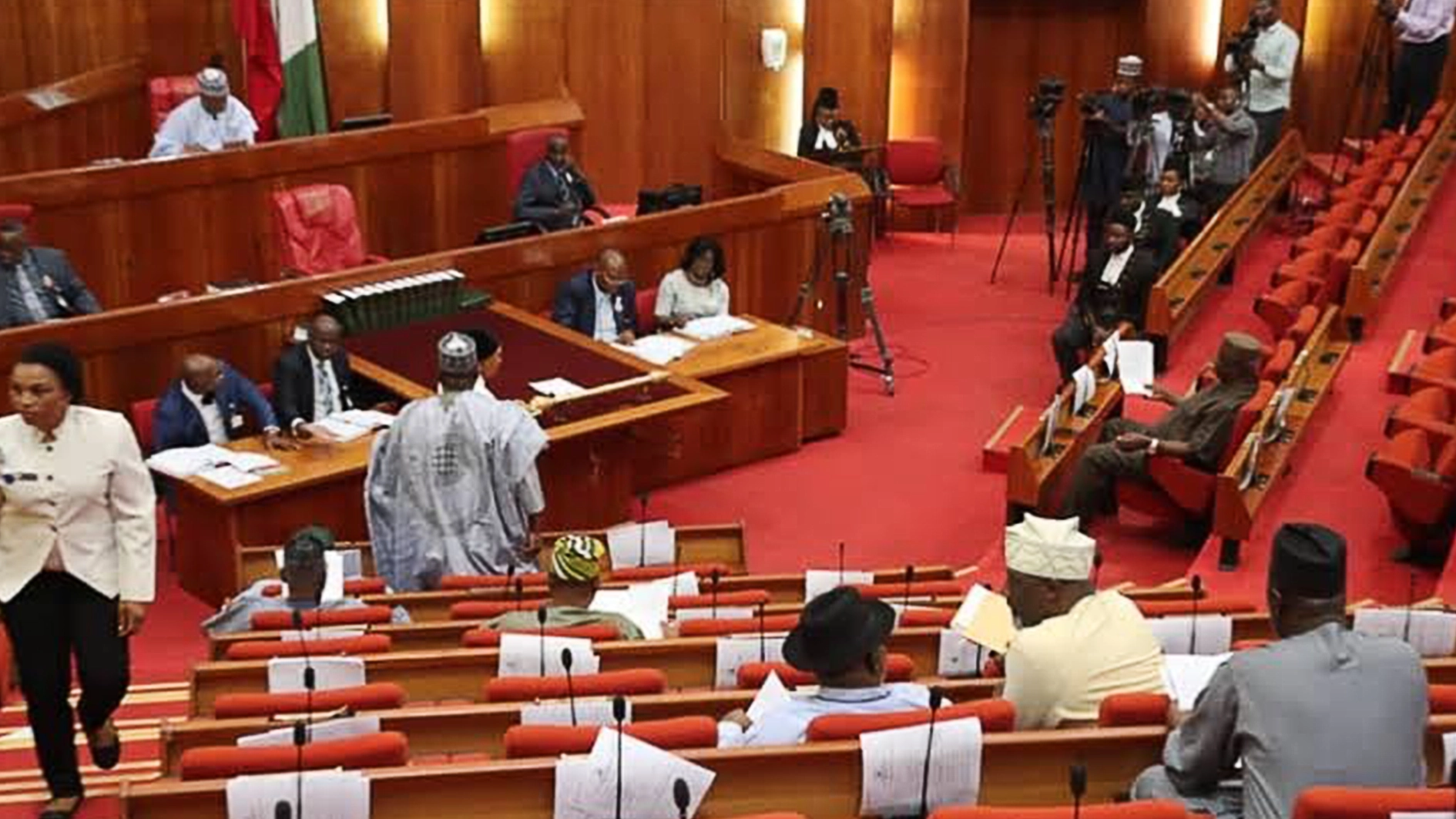
A lawyer and public policy commentator, Ilemona Onoja, has questioned the legality of the House of Representatives’ summons of chief executives of four Nigerian telecommunications companies, arguing that the action raises constitutional concerns and touches on a dispute already before the courts.
Onoja spoke against the backdrop of an October 21, 2026, summons by an ad hoc committee of the House, directing the telecoms CEOs to appear on October 28 to explain what it described as poor network quality, with a threat of arrest accompanying the invitation.
In a commentary on the controversy, the lawyer argued that the National Assembly’s investigative powers were constitutionally limited and should not be used to intrude into the regulatory responsibilities of the Nigerian Communications Commission (NCC).
He cited Section 88(1) of the 1999 Constitution, which empowers the National Assembly to conduct investigations for lawmaking purposes and to examine the conduct of authorities administering funds appropriated by the legislature.
According to him, privately owned telecommunications companies licensed by the NCC do not automatically fall within the scope of those investigative powers merely because their services have attracted public criticism.
“The question, however, is whether an ad hoc hearing is the right instrument, or whether the Constitution already provides a better one,” Onoja said.

He argued that the courts had consistently emphasised the constitutional limits of legislative investigations, citing the 1981 Court of Appeal decision in Senate of the National Assembly v. Tony Momoh, which addressed the legislature’s power to summon a journalist.
Onoja also referred to the 2023 Court of Appeal decision in SPDC v. Speaker of the House of Representatives, in which Shell challenged a legislative summons that allegedly lacked a sufficient connection to a lawful legislative purpose.
The public policy commentator maintained that such judicial decisions underscored the need for legislative summonses to remain within the boundaries established by the Constitution.
The lawyer further cited a lawsuit reportedly instituted by the Association of Licensed Telecommunications Operators of Nigeria (ALTON) in 2018, challenging repeated summonses of telecoms executives by legislative committees over matters within the NCC’s regulatory jurisdiction.
He said the pending dispute raised questions about the legal basis for the latest summons, although the precise implications depend on the issues before the court and the status of the proceedings.
Onoja also referenced a January 2025 Federal High Court order concerning the summons of Sterling Bank’s chief executive over a private commercial dispute, as well as a March 2026 Court of Appeal decision in KCA Deutag v. House of Representatives.
He argued that the constitutional framework did not confer unrestricted investigative powers on lawmakers over the commercial operations of private enterprises.
The controversy comes amid persistent complaints by subscribers about dropped calls, slow internet speeds and service interruptions that affect businesses and everyday communication.
Onoja acknowledged the public frustration behind the House’s intervention but argued that addressing poor service required more than compelling executives to attend hearings.
“The frustration that drives this summons is legitimate. Millions of Nigerians contend with dropped calls, slow data speeds, and service interruptions that affect daily life and commerce,” he said.
He maintained that the NCC, established under the Nigerian Communications Act 2003, was responsible for regulating the telecommunications industry and enforcing applicable quality-of-service requirements.
According to the lawyer, the commission has imposed substantial quality-of-service penalties on operators, introduced regulations and developed a compensation framework for affected subscribers.
He argued that the National Assembly could make a more lasting contribution by addressing structural challenges affecting network expansion, including fibre-optic cable vandalism, multiple taxation and inconsistent right-of-way charges imposed on telecommunications infrastructure.
“It could legislate stiffer penalties for fibre-optic cable vandalism,” he said, adding that lawmakers could also work towards harmonising right-of-way charges and addressing multiple taxation that increases operators’ costs.
Onoja maintained that legislative intervention in these areas could help reduce infrastructure costs and improve service delivery.

