 Follow Us on Google News


 Follow Us on Google Discover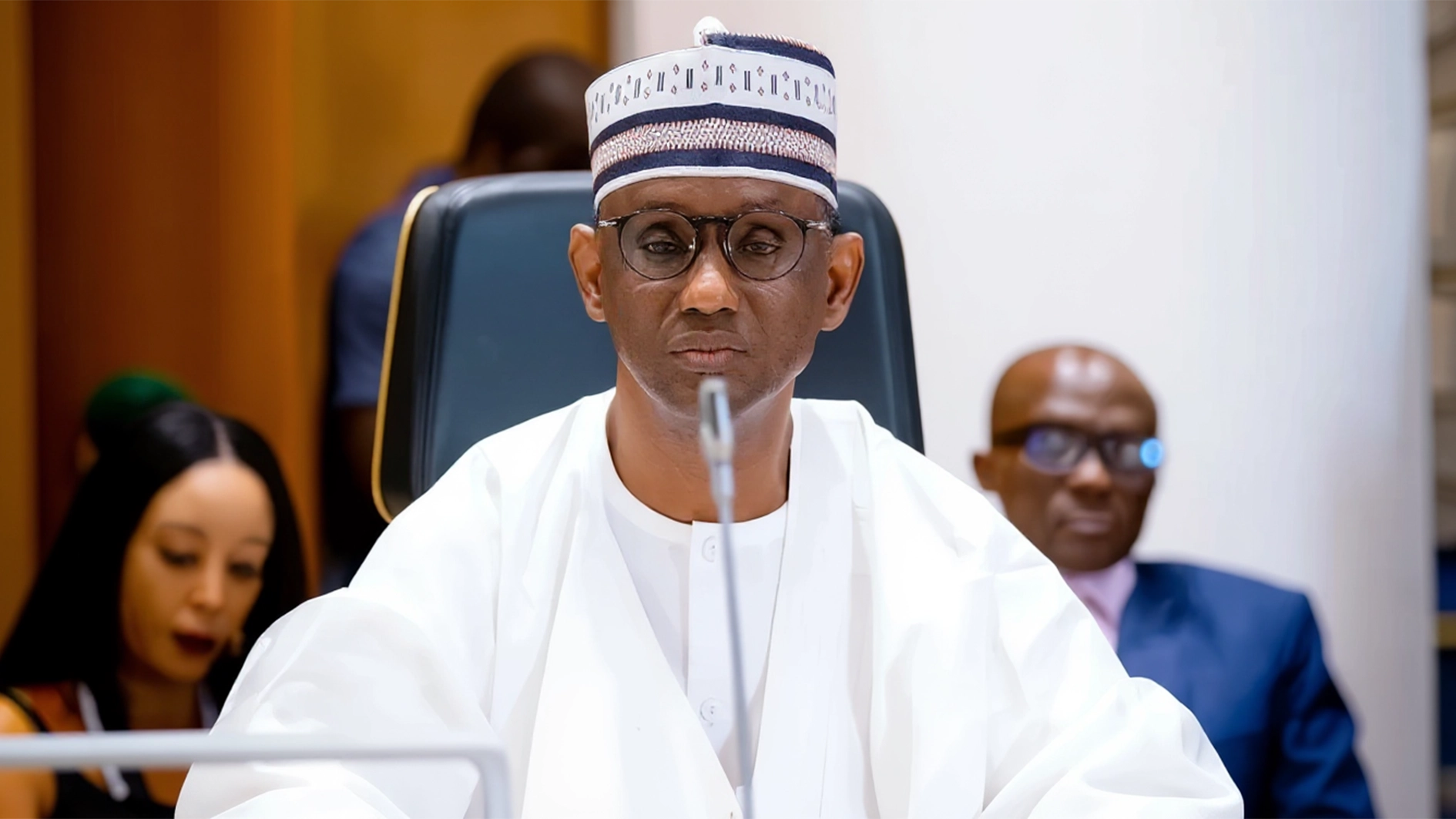
How I will end insecurity if elected President, by Atiku
National Security Adviser (NSA), Nuhu Ribadu, has described the spread of illegal small arms and light weapons as a major cause of insecurity and communal violence across Nigeria.
Ribadu made the statement yesterday in Abuja at a workshop reviewing lessons from Nigeria’s 2016 National Baseline Survey on Illicit Small Arms and Light Weapons.
However, during a Hausa language interview on the PAP show yesterday, the African Democratic Congress (ADC) presidential candidate, Atiku Abubakar, said if elected President, he would employ critical measures to end insecurity in the country.
The NSA said illegal weapons were helping to sustain violent crimes in different parts of the country, including banditry in the North-West, farmer-herder and communal conflicts in the North-Central, and terrorism and insurgency in the North-East.
“The proliferation of illicit small arms and light weapons is not an abstract policy concern; it is a deadly threat to the safety of our people,” Ribadu said. “Behind every statistic on illicit weapons is a community that has lost its peace, a family that has lost a loved one, or a livelihood that has been destroyed.”

According to Ribadu, Nigeria needs reliable and up-to-date data to tackle the problem effectively rather than depend on estimates.
He said the 2016 survey provided useful information about the scale and nature of illegal arms circulation and helped shape government policies, including the creation of the National Centre for the Control of Small Arms and Light Weapons (NCCSALW) and the development of a National Action Plan.
However, he said the country should first review the existing survey before conducting a new one.
“Before we launch into the next National Baseline Survey, we owe ourselves the discipline of an honest review. What worked? What did not? And what must be done differently this time?” he asked.
Director-General of NCCSALW, DIG Johnson Kokumo (rtd), said Nigeria’s security situation had changed significantly since the 2016 survey, adding that new forms of crime had emerged and trafficking routes changed, making updated information necessary.
United Nations Office for Disarmament Affairs (UNODA), Director and Deputy High Representative, Dr Adedeji Ebo, said Nigeria could not properly assess its current security challenges using 2016 data alone.
He said reliable information was needed to determine the types and number of illegal weapons in circulation, identify trafficking routes and understand their impact on communities.
CONSIDERING the country’s security situation, Atiku said, “What I will do in the first 100 days in office to address insecurity is to increase the number of security personnel and equip them adequately.
“Boko Haram started in Yobe State. At that time, the President called me and told me there was a serious problem and asked what should be done. I advised him to summon all the security chiefs. When they arrived, I told him to ask them to either address the issue or resign. But now, failure of leadership is the reason they are not being summoned.”
On the recent protest by retired military officers, Atiku said despite Nigeria’s vast resources, the soldiers were not being paid their entitlements. He blamed the situation on the alleged diversion and theft of public funds.
However, Atiku vowed to restore the fuel subsidy if elected President in 2027 general elections, saying its removal had not improved the lives of Nigerians.

